
Last updated November 23, 2026
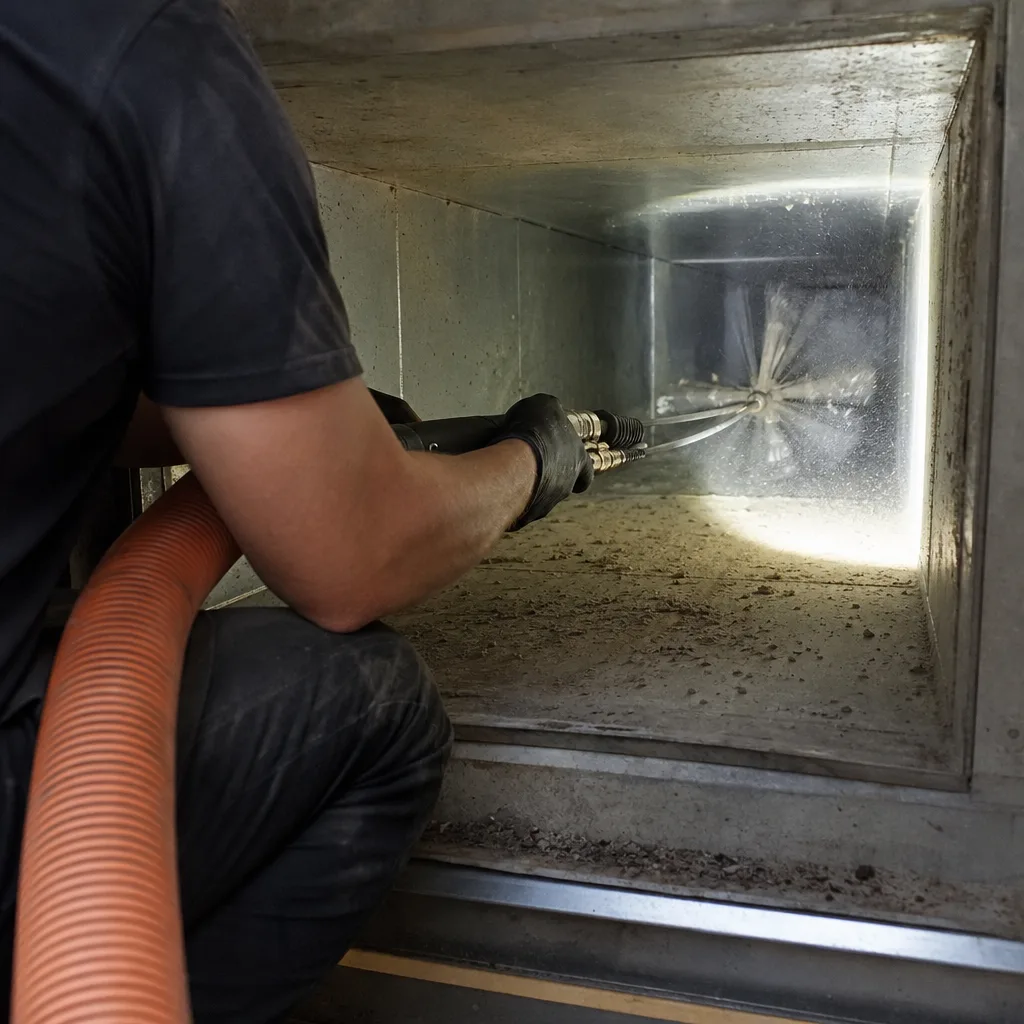
 Whole-home duct cleaning
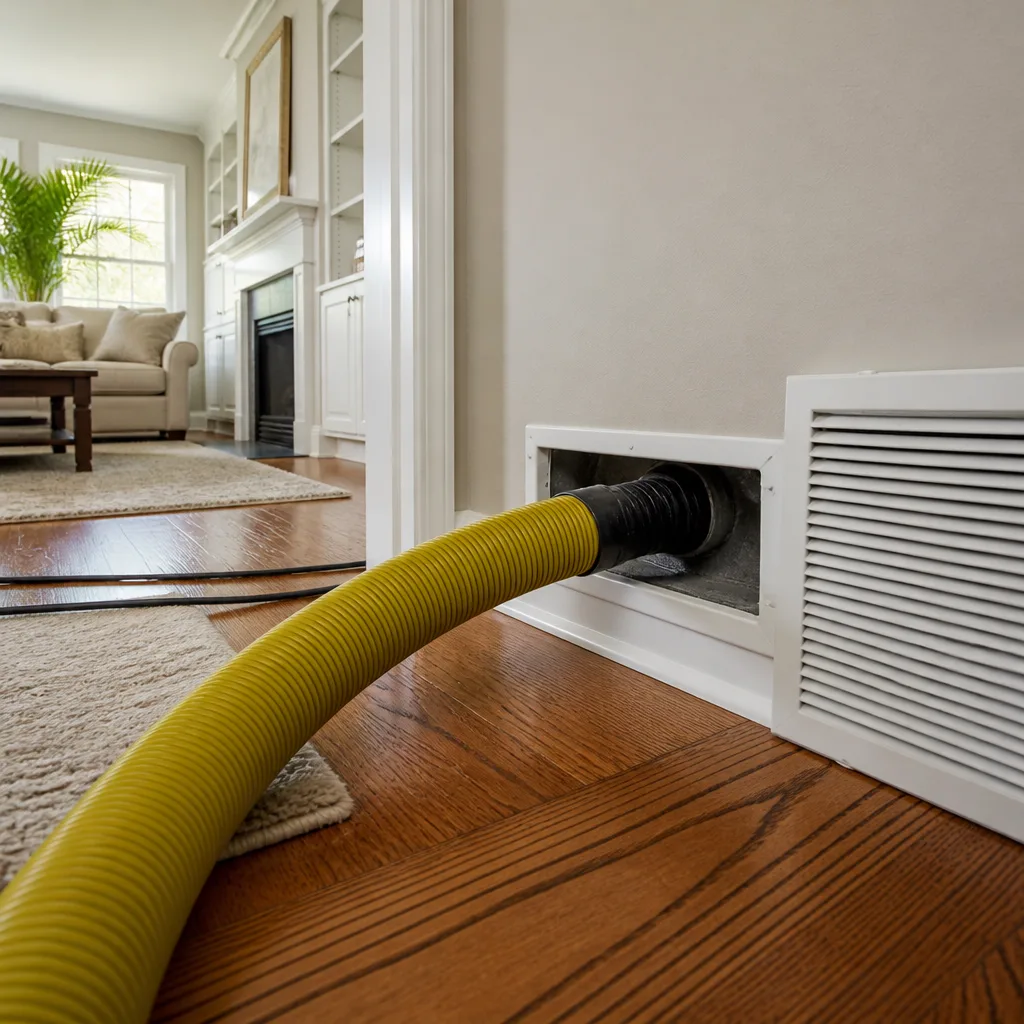
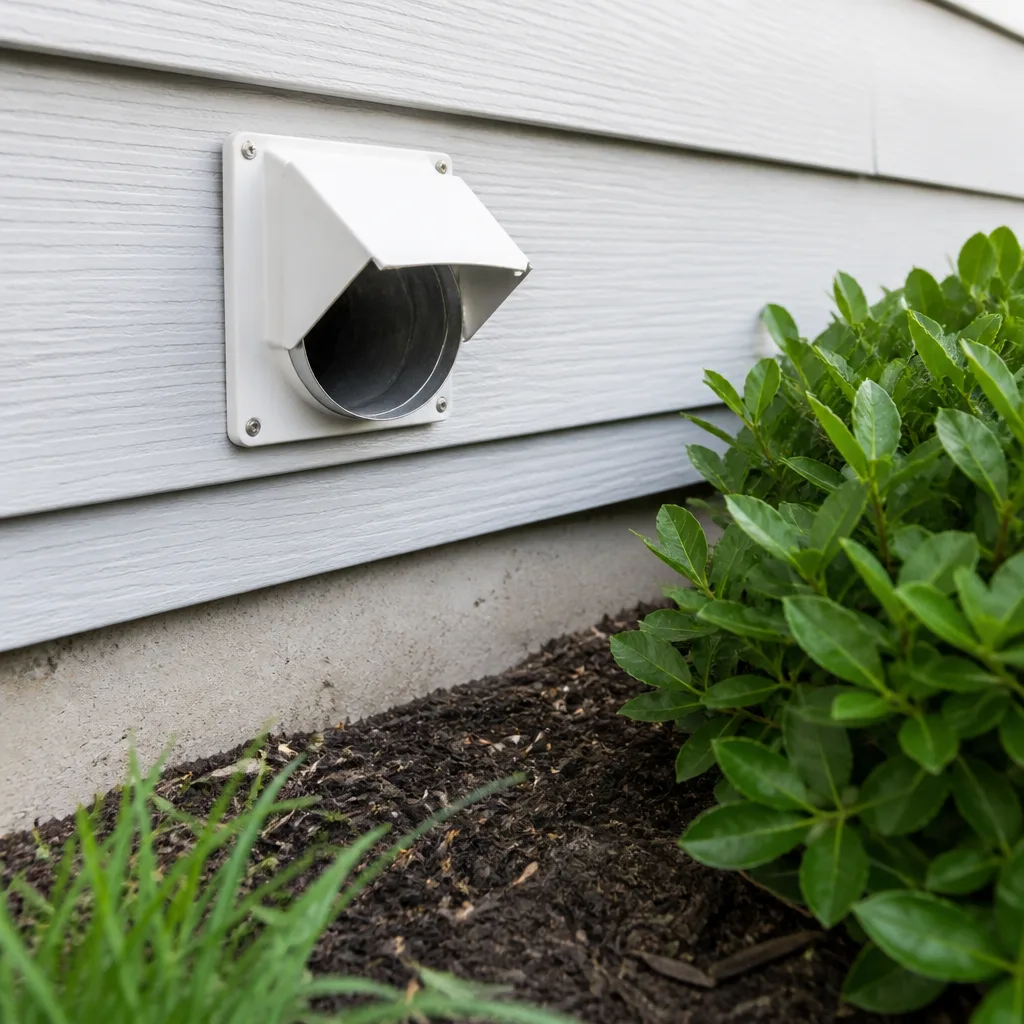 Dryer vent cleaning
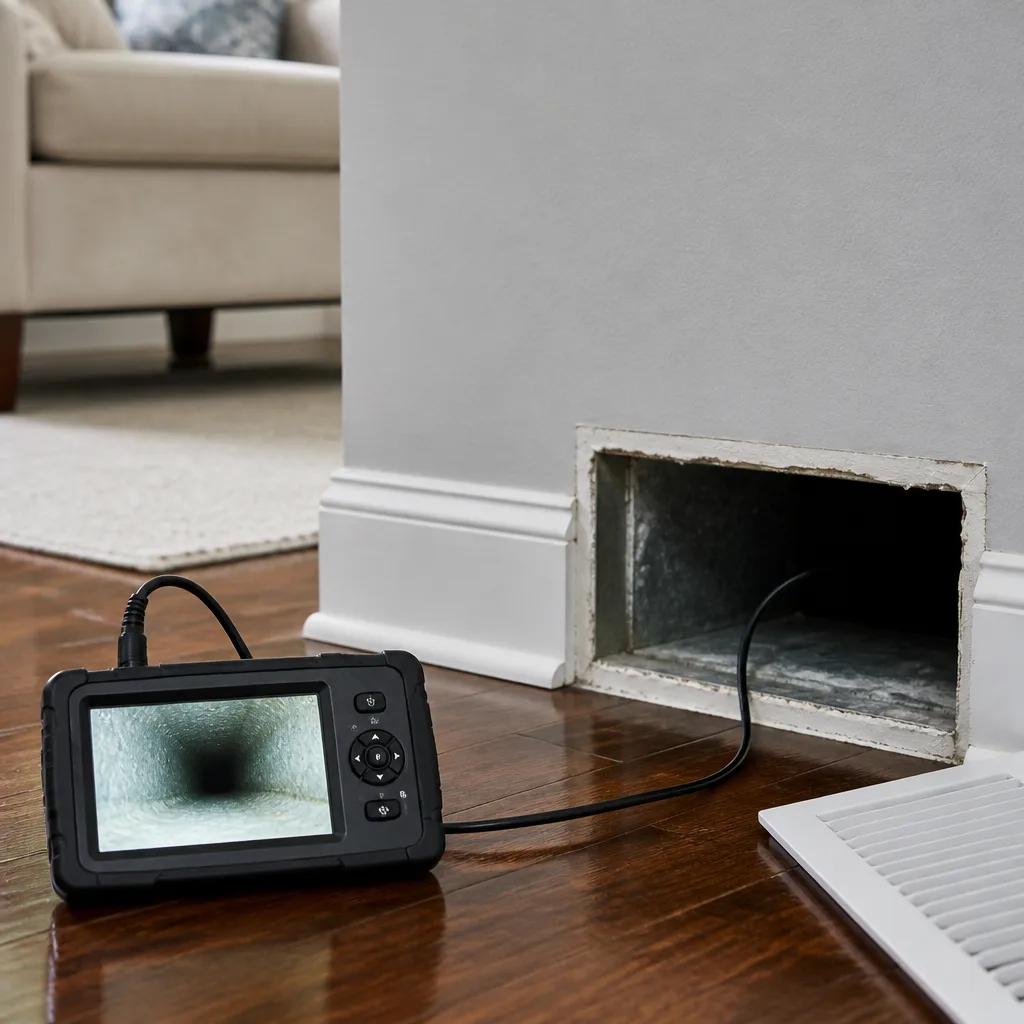 Camera inspection
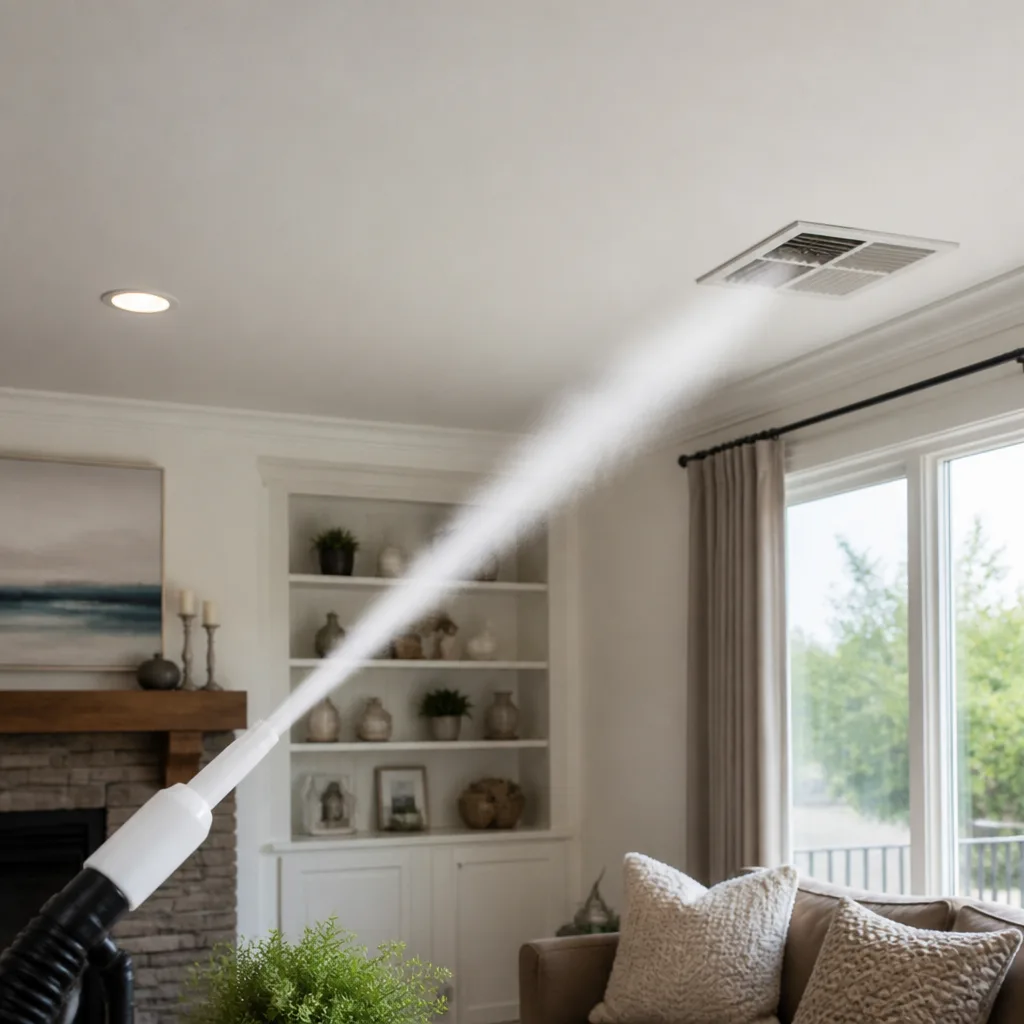 Sanitizing & deodorizing
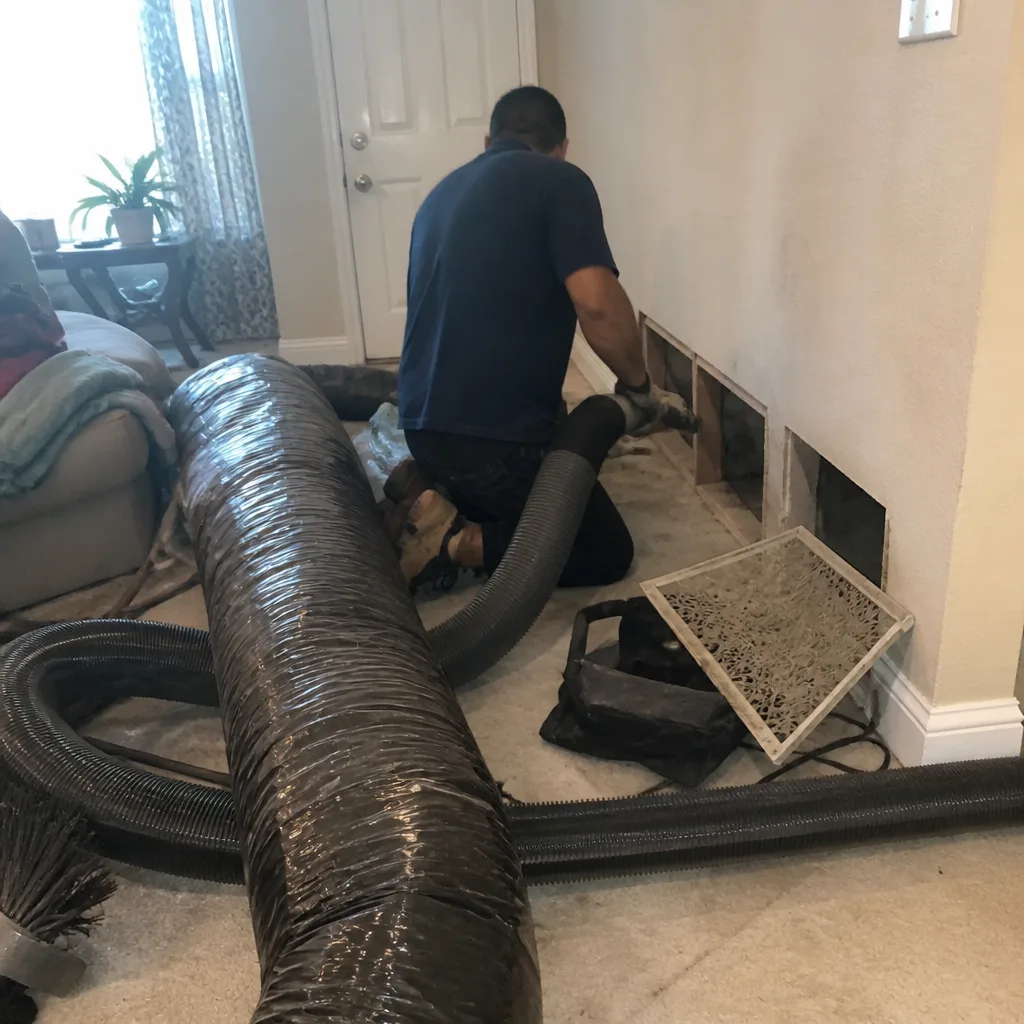
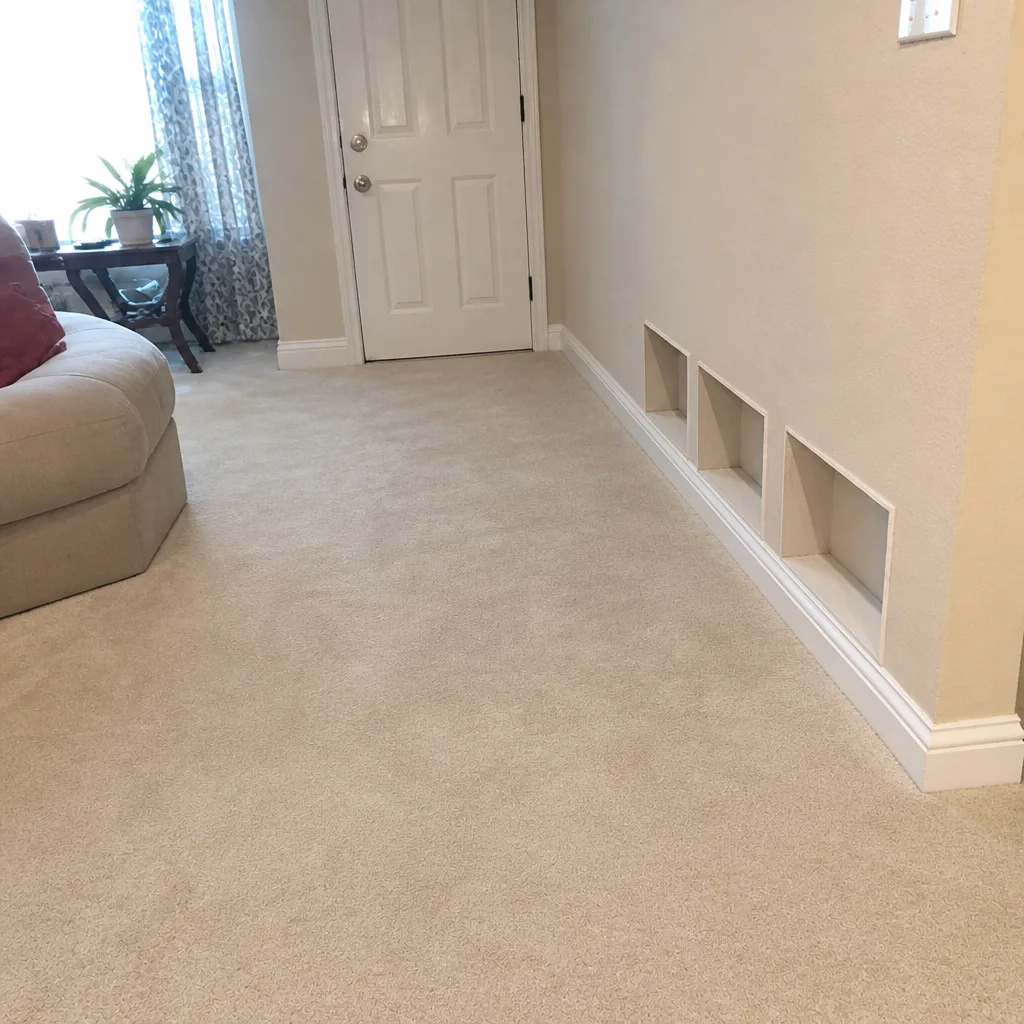
Whole-system duct and dryer vent check with before-and-after photos - you see exactly what came out of your vents
That "$99 whole-house special" is a bait ad - the real number appears once they are in your hallway, or the "clean" is a shop-vac at the register. We photograph the inside of your ducts before and after instead.
Seasonal Air Duct Cleaning Care for Lakewood: Year-Round Homeowner’s Guide
Most homeowners in Lakewood assume duct cleaning is a fall chore, something to knock out before the furnace kicks on. That’s the common advice, and around here it’s only half right. The riskiest stretch for duct contamination in North Texas isn’t the cold months, it’s the shoulder seasons, the weeks when the system sits idle and whatever is growing inside it gets the humidity and stillness it needs to spread. Spring in North Texas isn’t just allergy season. It’s the window when dormant spores in your ductwork find warm, damp, motionless air and become an active problem before the AC runs long enough to dry things back out. This guide walks through what each Lakewood season does to your ducts and how to time the work for the best result.
Quick Answer
The best time to schedule air duct cleaning in Lakewood is late spring, before the first stretch of continuous AC use, and again in early fall, before the heating season starts. Those two shoulder windows catch microbial growth before it spreads and clear the debris that winter heating will otherwise push into your living space. Mid-summer and mid-winter are for inspections, not full cleanings.
Styles & brands we work with
- Whole-home duct cleaning
- Dryer vent cleaning
- Camera inspection
- Sanitizing & deodorizing
Table of Contents
- Why Seasons Matter More in Lakewood Than Almost Anywhere
- Spring: The Switchover Window That Decides Your Summer
- Summer: What Continuous AC Operation Changes
- Fall: Pre-Heating Checks That Catch Hidden Damage
- Winter: Why Heating Pushes Debris Into Your Air
- How to Time Professional Cleaning to the Shoulder Seasons
- A Simple Year-Round Inspection Schedule
- Common Mistakes to Avoid
Why Seasons Matter More in Lakewood Than Almost Anywhere
In a lot of the country, the heating system and the cooling system each run hard for a long, unbroken stretch, and the ducts between them stay in steady use. Lakewood sits in a pattern where both systems trade off at unpredictable intervals through much of the year. That on-again, off-again rhythm is the problem. Duct interiors do best when they’re either in regular airflow or fully sealed and dry. What hurts them is the dormant middle, the stretch where the blower is off, the humidity climbs indoors, and settled dust plus organic matter gets a chance to sit and react.
Two things make Lakewood particular. First, the warm, humid air of spring arrives before most households run the AC continuously. That gap is where microbial growth activates. Second, the shoulder seasons are genuinely mild, which means many Lakewood homeowners let the house sit on open windows and ceiling fans rather than run either the heat or the AC. That feels frugal and pleasant. It also lets unconditioned outdoor air, and everything in it, drift through the return side of the system.
So the calendar here isn’t “clean once a year.” It’s closer to a two-peak rhythm:
- Late spring: before the AC becomes the primary system, clear the winter’s settled debris and knock back anything that has started growing.
- Early fall: before the furnace becomes the primary system, catch off-season intrusion and any humidity damage, then reseal.
- Mid-summer and mid-winter: inspection only, unless something specific turns up.
That rhythm is what we build every schedule around at Lakewood Air Duct Cleaning Pros, and it’s the one piece of advice that changes the most outcomes for local homes.
Spring: The Switchover Window That Decides Your Summer
Spring is the highest-risk season for duct contamination in Lakewood, and it’s the one most homeowners skip. Here’s why. Through the cooler months, dust, skin cells, pet dander, and a little moisture settle on duct walls and insulation. As outdoor humidity climbs in spring and the system runs only intermittently, that settled material stays damp and still. That combination, warm and wet and motionless, is exactly what dormant mold spores and bacteria need to activate. If you start the cooling season with active growth in the plenum or the return trunk, every time the AC runs it distributes what’s growing before the system runs long enough to dry it out.
The goal of a spring service is to interrupt that cycle before it starts. A proper spring job isn’t just a vacuum pass. It’s source removal plus a treatment step. Debris gets agitated and extracted with professional-grade equipment, then a sanitizing treatment addresses the microbial and odor side after the cleaning, not before. We use Guardsman-grade treatments for that post-cleaning step because applying anything to a dirty duct just seals contamination in place.
Before you run the AC for the first time this season:
- Change the filter. A filter that sat through the shoulder season holds a season’s worth of debris and restricts airflow right when you need it.
- Check the return grilles and registers for visible dust, discoloration, or a musty smell when the system first kicks on.
- Look at the condensate drain and the air handler closet for standing moisture or a damp, closed-in smell.
- If you see dark staining on duct surfaces, smell mustiness when the blower starts, or notice allergy symptoms that spike indoors, get the system inspected before continuous AC season, not after.
- Book cleaning in the shoulder window, when scheduling is easier and the work can be done without fighting peak-season demand.
That last point matters in Lakewood. Spring shoulder season gives the best access to professional crews because it’s just before the busy cooling season. The full process is covered in our air duct cleaning service page if you want to see what a complete job involves.
Summer: What Continuous AC Operation Changes
Once the AC runs continuously through a North Texas summer, the dynamics inside your ducts shift. Constant airflow keeps duct surfaces drier, which is good. But constant airflow also means constant debris delivery to the filter and to the return side. The filter catches what it’s rated to catch; finer particles and whatever got past it accumulate on the blower wheel, the evaporator coil, and the supply trunk. By late July, a system that started the summer clean can have a visibly coated coil and a blower that’s working harder than it should.
Summer is a great time for inspection, and a lousy time for a full cleaning if you can avoid it. Here’s what to have checked mid-season:
- The blower wheel. A dusty wheel throws the whole system out of balance and costs airflow.
- The evaporator coil. A coated coil can’t transfer heat, so the system runs longer and cools less.
- The return plenum and filter slot. Bypass around a poorly fitted filter is common, and it’s where a lot of summer debris lands.
- The condensate pan and drain line. Warm, wet, dark places are where biological growth starts in the cooling months.
If inspection turns up a real problem, that’s when a mid-season service earns its keep. Otherwise, hold the full cleaning for the fall window. Our HVAC cleaning work covers the coil and blower side of this, which is the part most homeowners never see.
Fall: Pre-Heating Checks That Catch Hidden Damage
Early fall in Lakewood is the second big window, and it catches problems the spring visit didn’t. Through the shoulder months, when the system runs rarely, outdoor air, insects, and rodents find their way toward ductwork, especially through disconnected joints, gaps around registers, and any run that’s lost its seal. That’s not a scare tactic; it’s the practical reason fall inspection focuses on the system’s integrity, not just its cleanliness.
Fall is also when humidity damage shows up. A run of damp weather followed by a dry spell can leave a duct liner or an insulated section compromised, and those are the spots that collect debris and hold it. So the fall job is really two things: a condition check of the duct system, and a repair-and-seal pass on anything that’s leaking.
That’s where we differ from a cleaning-only service. Clean ducts are only half the job; we seal and repair what’s broken. A duct repair and sealing pass closes leaking joints so that the clean system you paid for actually delivers conditioned air where it’s supposed to go, and keeps contamination out during the heating season. If the fall inspection catches a compromised run, fixing it now means the furnace heats the house instead of the attic space.
Fall checklist for Lakewood homeowners:
- Have the return and supply connections at the air handler checked for separation or tape failure.
- Inspect accessible duct runs for moisture staining, sagging, or crushed sections.
- Confirm registers are seated and sealed to the drywall, not just sitting in the opening.
- Book the cleaning and any sealing work before the heat first runs continuously.
Winter: Why Heating Pushes Debris Into Your Air
Here’s the part most homeowners don’t connect. When the furnace takes over, the supply side pushes air at higher velocity and higher temperature than the cooling system does. That’s fine for a clean duct. On a dirty one, the combination re-suspends settled debris from every surface it passes and carries it straight into the living space, out through the registers, and onto every horizontal surface in the room. That’s why a house can feel dustier in January than in June even though nobody’s opened a window.
The winter goal is to protect the value of the fall cleaning and address anything that’s become airborne. That means two things:
- Keep filters changed on schedule. A winter filter that loads up quickly is telling you there’s debris upstream that a cleaning would remove.
- Watch for the symptoms that mean settled debris is being distributed: visible dust near registers, a musty or “hot dust” smell on first heat, and allergy symptoms that worsen when the system runs.
If the fall walk-through was done and the system was sealed, the winter should be quiet. If it wasn’t, mid-winter is still a reasonable time to clean, especially if someone in the house is having a bad reaction to the indoor air. But it’s a repair, not a prevention, so plan for a spring and fall window and treat winter as a backup.
How to Time Professional Cleaning to the Shoulder Seasons
Timing professional cleaning to Lakewood’s shoulder seasons gives you the best combination of availability and benefit. Late spring and early fall are when crews are free, when the system isn’t in the middle of a continuous run, and when the cleaning actually does what it’s supposed to: reset the system before the next heavy-use season. Book the spring cleaning before the first real stretch of AC weather and the fall cleaning before the first real furnace weather.
Practically, that means:
- Call in March or early April for the spring window.
- Call in late September or early October for the fall window.
- If you’re selling or buying a home in Lakewood, schedule around the inspection timeline rather than the season, and have it done before you move in.
- If you’ve just had a renovation, moved into a new home, or adopted a pet, the “season” is now, not the calendar. The work is driven by the situation more than the date.
One point on how the work happens: a real duct cleaning is done with professional-grade equipment, not shop vacuums or entry-level brushing rigs. We use Rotobrush and Nikro platforms, plus Abatement Technologies negative-air and containment equipment, the same class of gear used in commercial remediation work. That matters most in the shoulder seasons, because that’s when you’re cleaning while contamination is still active, and containment is what keeps it from spreading into the house during the job. The same equipment used in commercial remediation is the baseline, not the upgrade.
And timing the call is easy: the estimate is free, and the price is set per job by the written estimate, one flat price per system agreed before work starts, with before-and-after photos so you can see what came out of your ducts.
A Simple Year-Round Inspection Schedule
You don’t need to memorize a season-by-season chart. A four-check rhythm covers what a Lakewood home typically goes through in a year.
- Early spring (March): replace the filter, check the return grilles and air handler closet for moisture, and book the spring cleaning.
- Late spring (April – May): the cleaning and sanitizing visit; before the AC runs continuously.
- Mid-summer (July): a look at the blower, coil, and condensate drain. Clean or repair only if inspection finds a problem.
- Fall (September – October): duct integrity check, sealing of any leaks, and the fall cleaning before the furnace runs hard.
Add an extra check any time the house has been through a renovation, a water event, or a period of vacancy, since those tend to concentrate debris and moisture in the places a normal year doesn’t reach.
Common Mistakes to Avoid
- Treating duct cleaning as a fall-only chore. In Lakewood the spring window is just as important, because the warm, humid shoulder season is when growth activates. Skipping spring means starting the summer with a system that’s already active.
- Sanitizing before cleaning. Applying a treatment to ductwork that still holds settled debris just seals the contamination against the surface. Cleaning has to come first, then the Guardsman-grade sanitizing step.
- Booking on price alone. A quote that’s dramatically lower than every other one in Lakewood usually means a shop-vac pass or an entry-level brushing rig, not professional equipment. The cleanup you’d need afterward often costs more than the difference.
- Cleaning and skipping the repair. A sealed system is the whole point. If the fall inspection finds leaks or disconnected runs and they aren’t fixed, the clean duct doesn’t stay clean for long.
- Ignoring the air handler. The coil and blower are part of the system. Cleaning ducts while leaving a coated coil in place limits how much benefit you actually get.
- Running the system with a clogged filter to “test” it. Restricted airflow under continuous summer operation stresses the blower and the coil. Change the filter first, then evaluate.
- Assuming dust is normal. A persistently dusty Lakewood home, especially with a musty first-heat smell, is a system-integrity signal, not a housekeeping problem.
See the difference
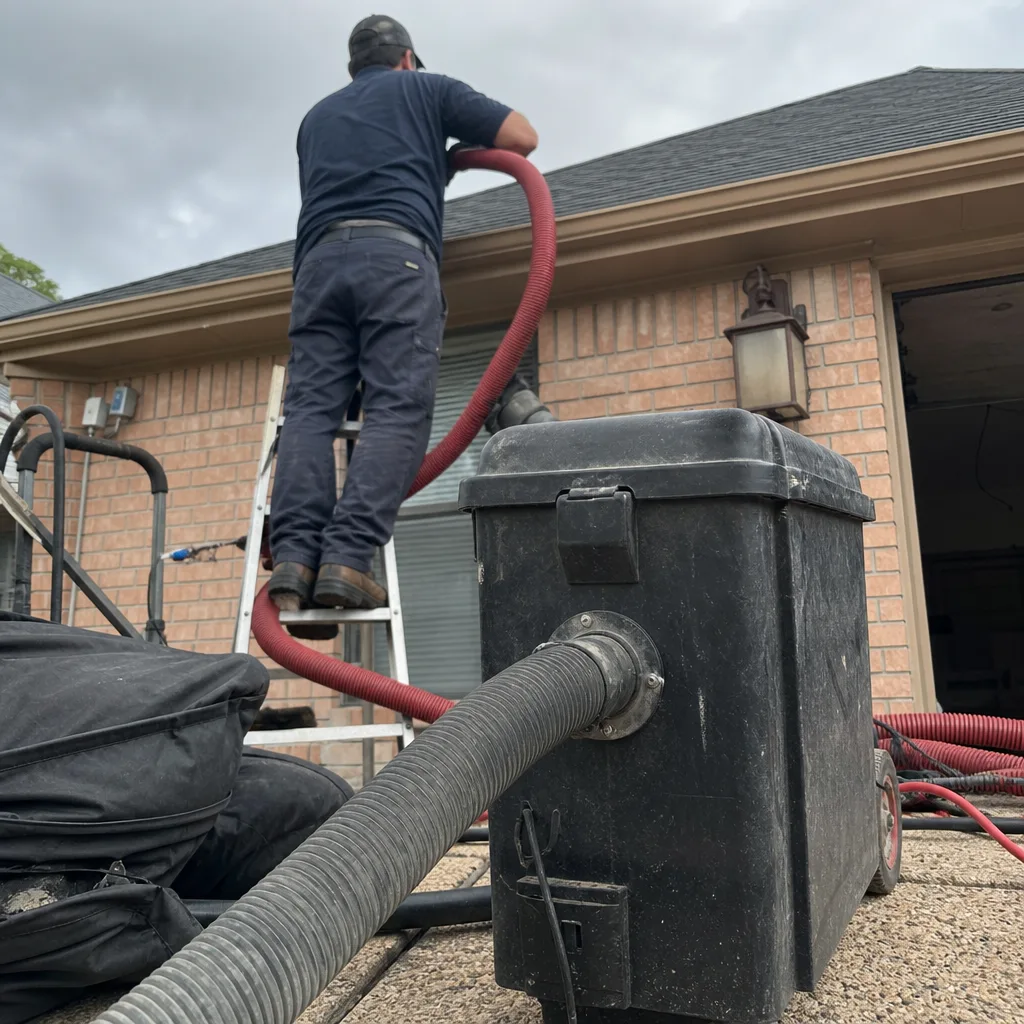 Before
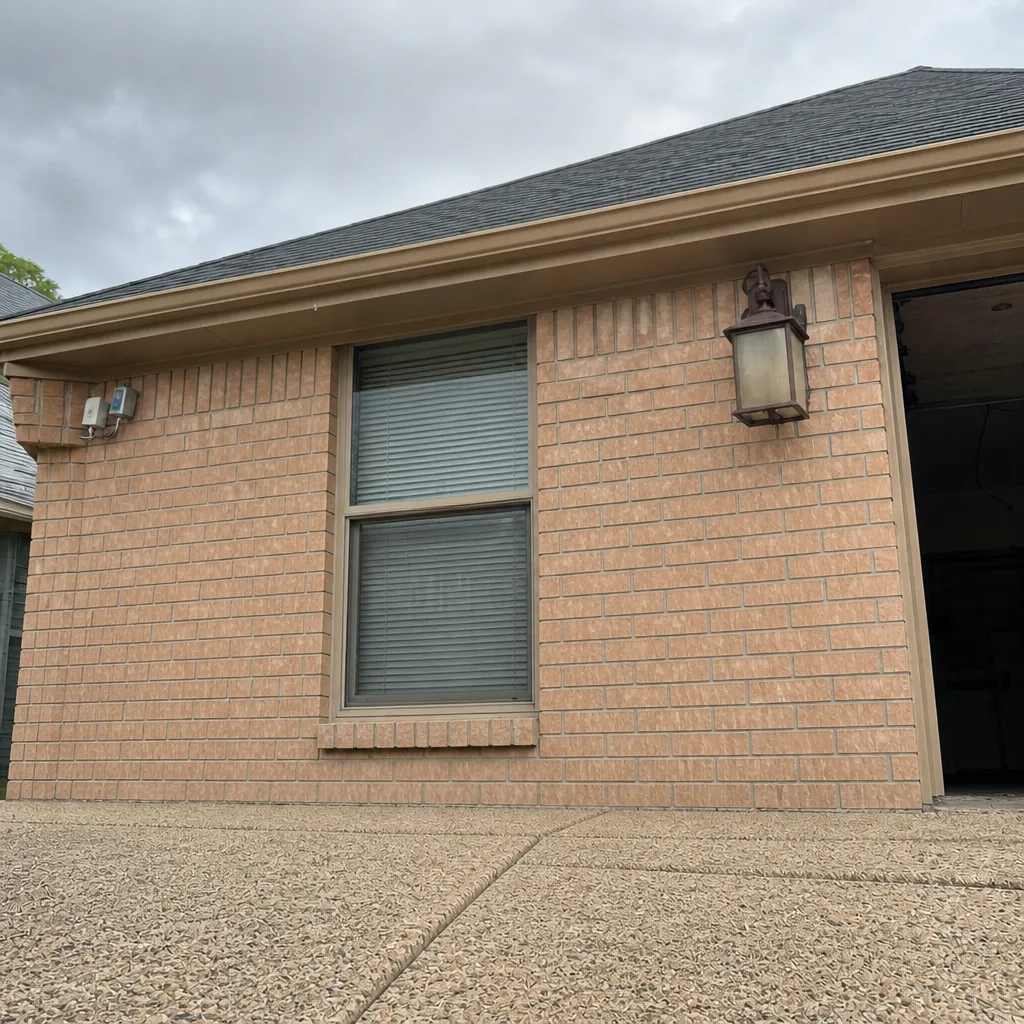 After
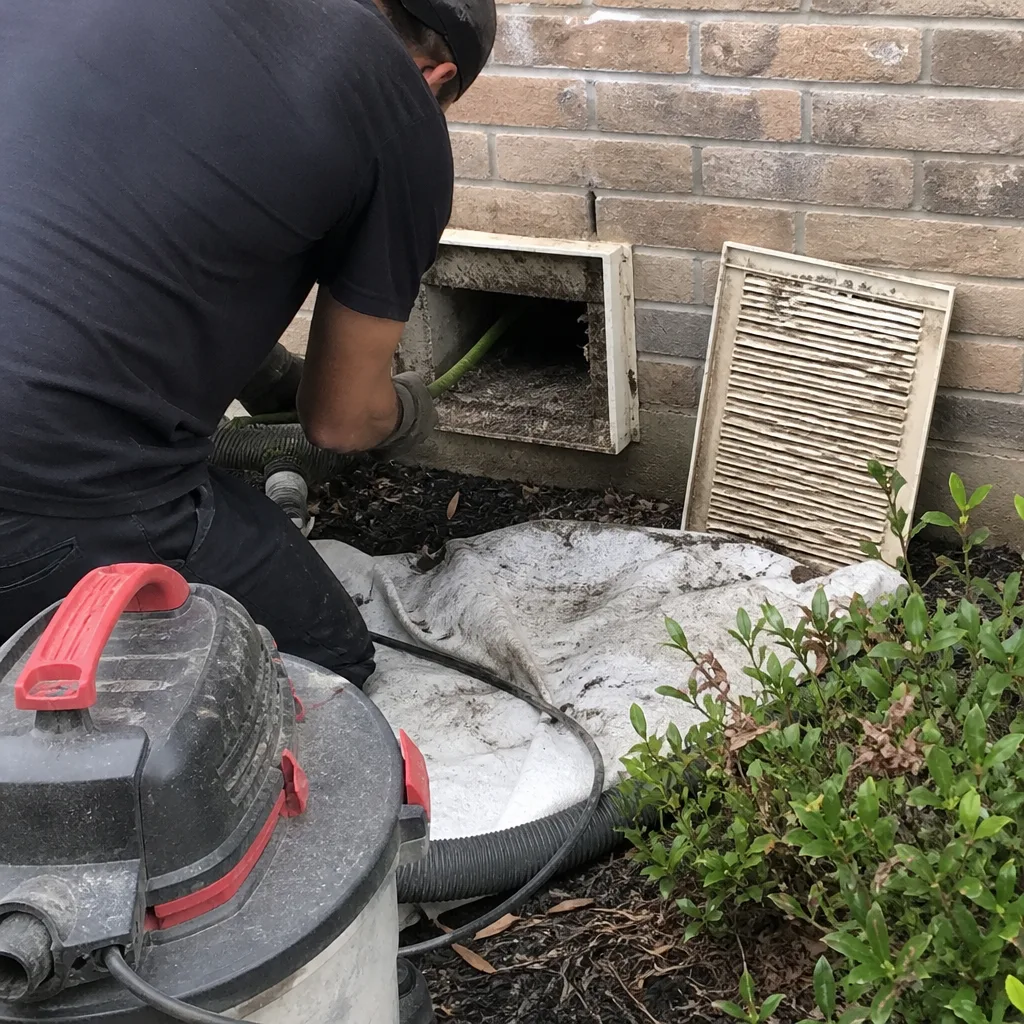 Before
 After
 Before
 After
When to Call a Professional
Call a professional the moment you’re seeing the signals that point to the system itself, not just the room. Visible dust blowing out of registers right after the blower starts, a musty smell when the heat or AC first runs, allergy symptoms that spike indoors and ease when you’re away, dark staining on visible ductwork, or a home that’s been through a renovation or water event. Those aren’t filter problems; they’re duct-system problems, and they’re the ones a professional cleaning and inspection is designed to catch.
Lakewood Air Duct Cleaning Pros offers free estimates in Lakewood. Call (877) 492-2029. We answer 24/7, and fast dispatch runs from 7am to 7pm, Sunday through Friday. One flat price per system, agreed before work starts, with before-and-after photos. The local pro we connect you with is licensed and insured as the state requires.
Frequently Asked Questions
For most Lakewood homes, twice a year on the shoulder-season windows works best: late spring before continuous AC use, and early fall before the heating season. Homes with pets, allergy sufferers, recent renovations, or a lot of dust in the living space benefit from the two-visit rhythm. If the system is clean and well sealed, one thorough annual cleaning plus a filter schedule can be enough.
Both windows matter, and they serve different purposes. Spring is the higher-risk window for microbial activation, because warm, humid air arrives before continuous AC operation dries the ducts out. Fall is when the system’s integrity is checked and any summer humidity damage or off-season pest intrusion is caught and sealed. Treat them as a pair, not a choice.
No. A shop vacuum doesn’t have the airflow or containment to remove settled debris from duct runs, and it can stir contamination into the air instead of capturing it. Professional cleaning uses platforms like Rotobrush and Nikro plus Abatement Technologies negative-air containment, which is why the work actually changes what’s in the system. For anything involving the air handler, blower, or coil, call a trained professional.
Pricing is per job by written estimate, set before any work starts, so the number you’re quoted is the number you pay. We don’t quote per vent or use a teaser coupon. For an exact quote on your system, call (877) 492-2029; estimates are free.
Cheap quotes usually mean a shop-vac pass or an entry-level brushing rig, no containment, no sanitizing step, and no duct repair if the system needs it. In our experience, that’s the bait-and-switch pattern, a low price that grows once the tech is on site. We work the other way: one flat price per system agreed before work starts, with before-and-after photos so you can see the change. Call (877) 492-2029 for a free estimate.
Musty odors on first heat or first AC, visible dust blowing from registers when the blower starts, significant dust buildup near vents, recent water intrusion, or a renovation that released construction dust into the system. Any of those point to a current problem rather than a seasonal one. Call (877) 492-2029 and we’ll help you figure out whether it’s a cleaning or a repair.
The Bottom Line
Duct cleaning for a Lakewood home works best as a two-visit yearly rhythm, not a once-a-year fall chore. Clean in late spring to stop microbial activation before the AC runs continuously, and again in early fall to catch hidden intrusion and seal the system before the furnace pushes air at high velocity through it. Inspect mid-summer and mid-winter, change filters on schedule, and treat persistent dust or musty smells as a system signal. One flat price per system agreed before work starts, no per-vent pricing, and before-and-after photos. Professional-grade equipment, not shop-vac shortcuts. That’s the whole strategy, and it holds up year after year.
To schedule a free estimate in Lakewood, call (877) 492-2029. We answer 24/7. Fast dispatch from 7am to 7pm, Sunday through Friday.
Written by the team at Lakewood Air Duct Cleaning Pros.