
Last updated November 23, 2026
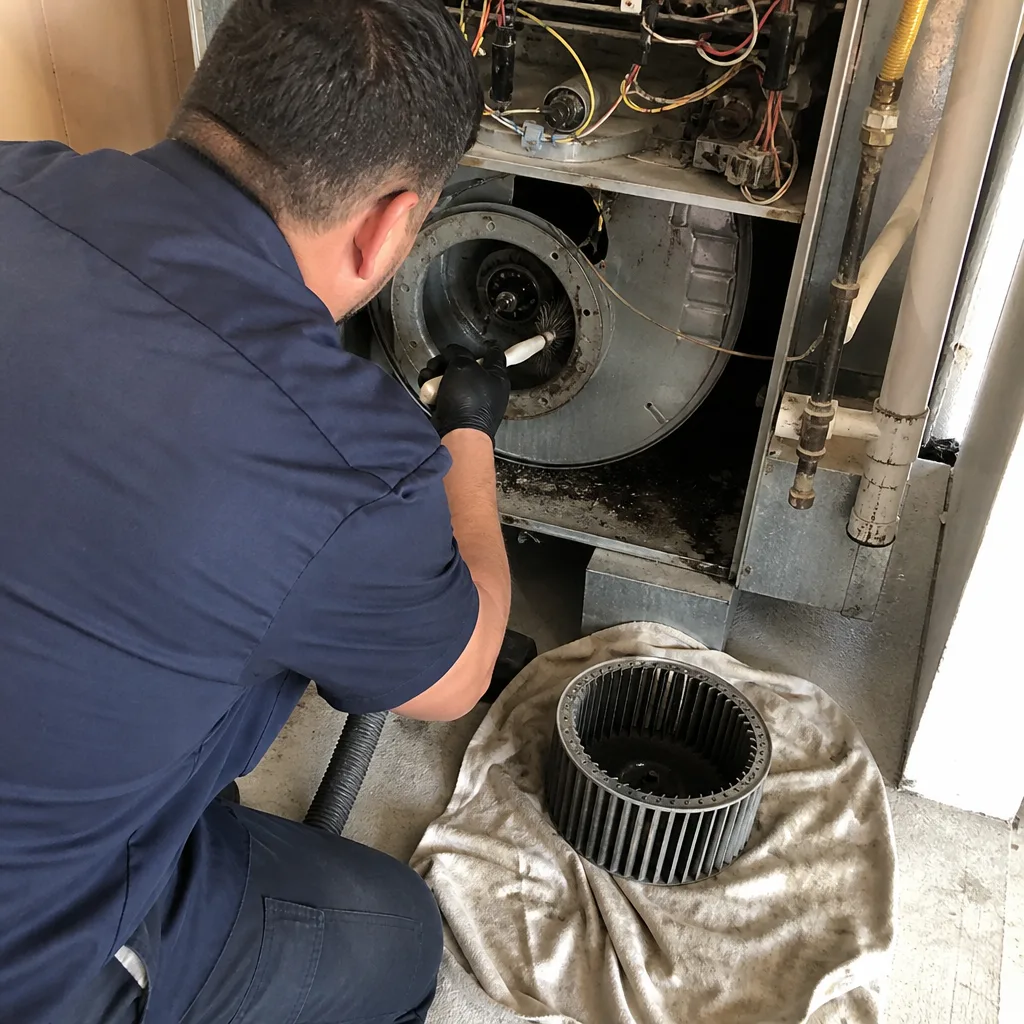
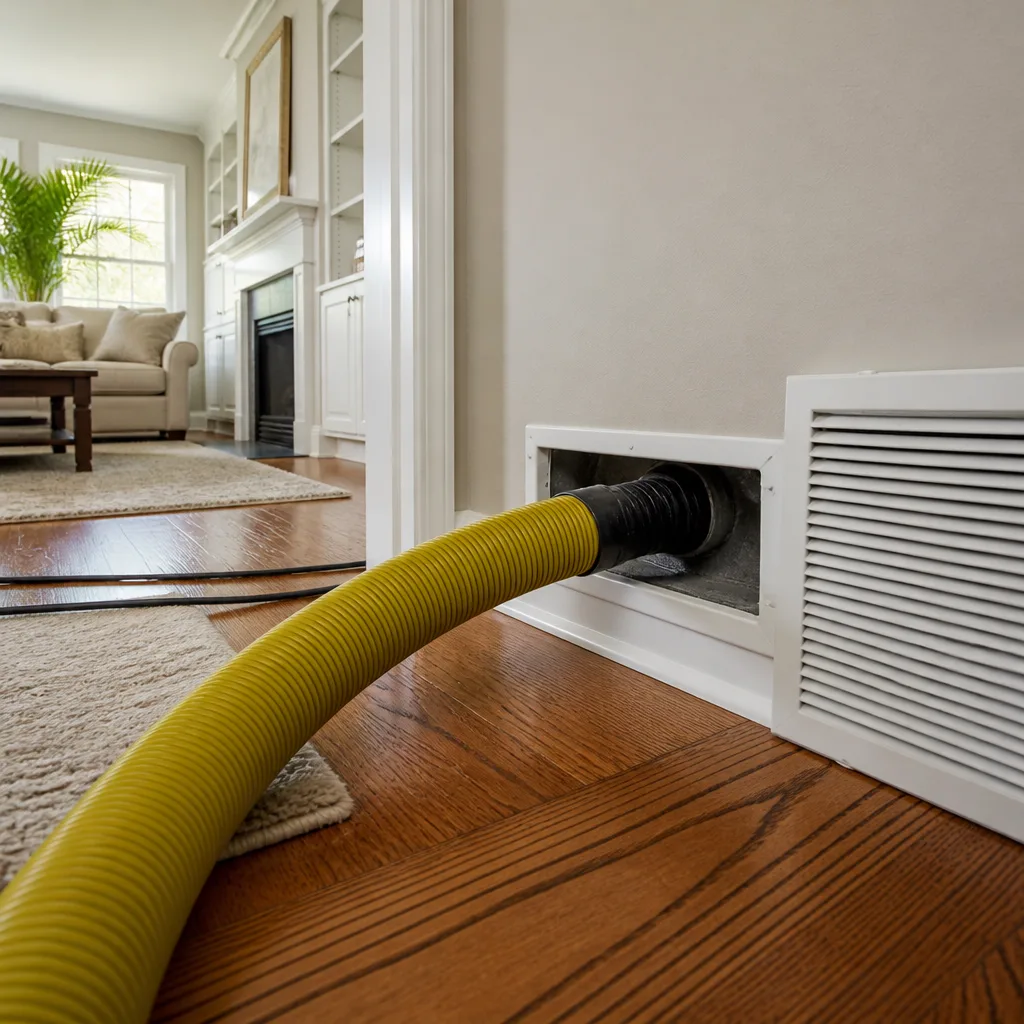 Whole-home duct cleaning
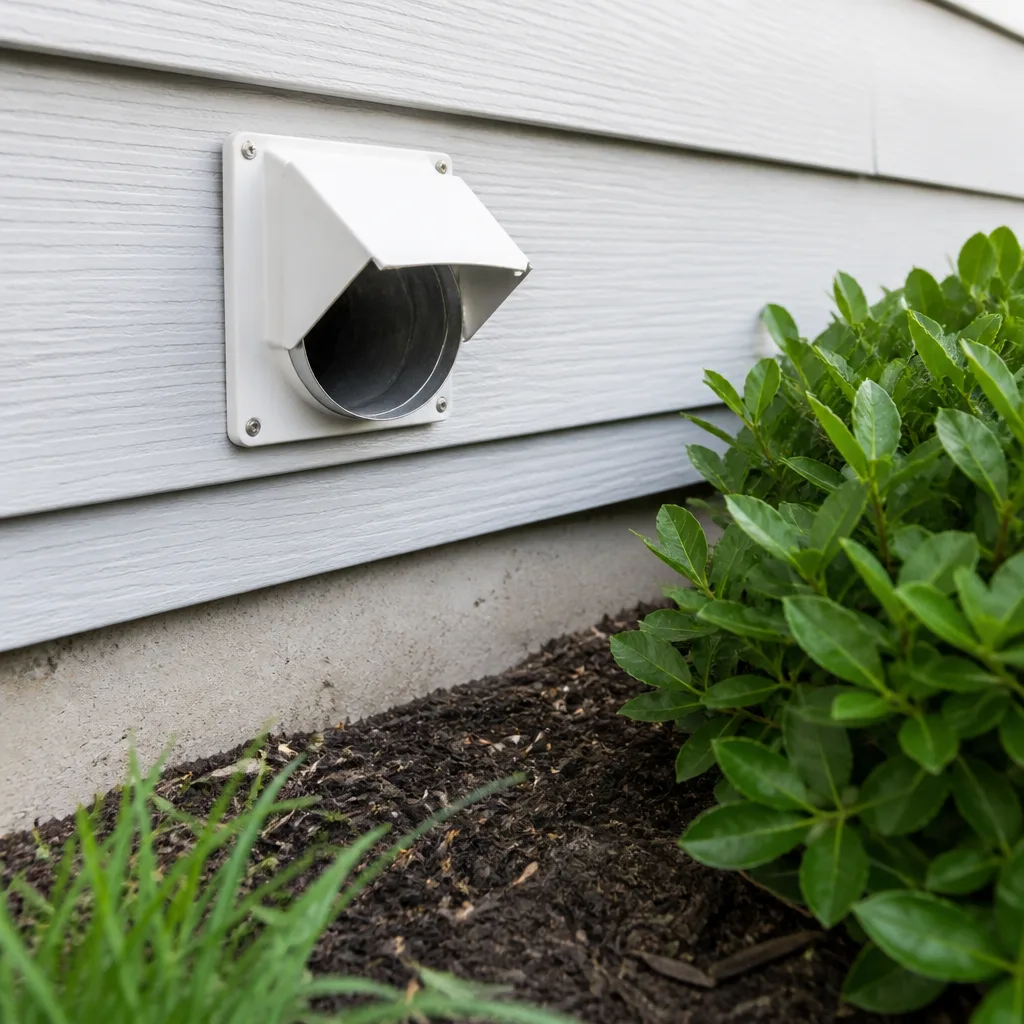 Dryer vent cleaning
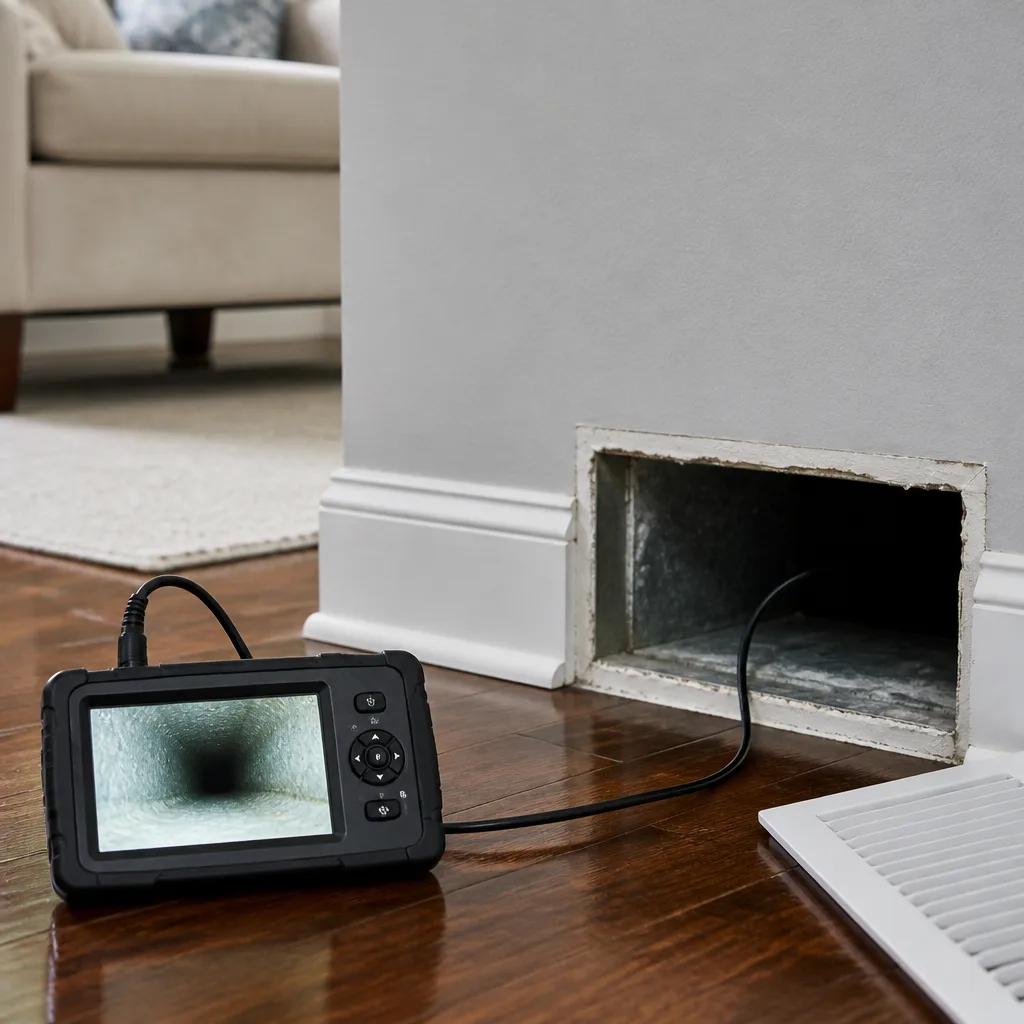 Camera inspection
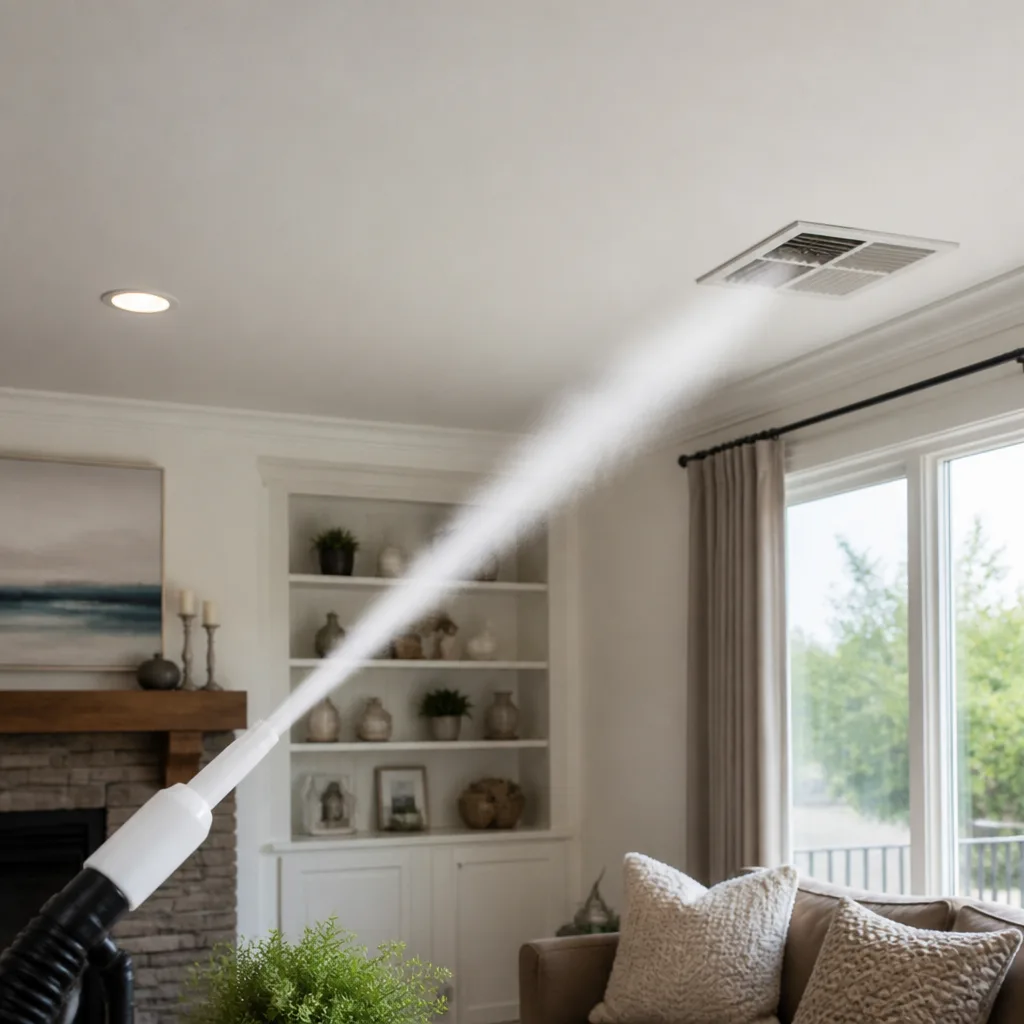 Sanitizing & deodorizing
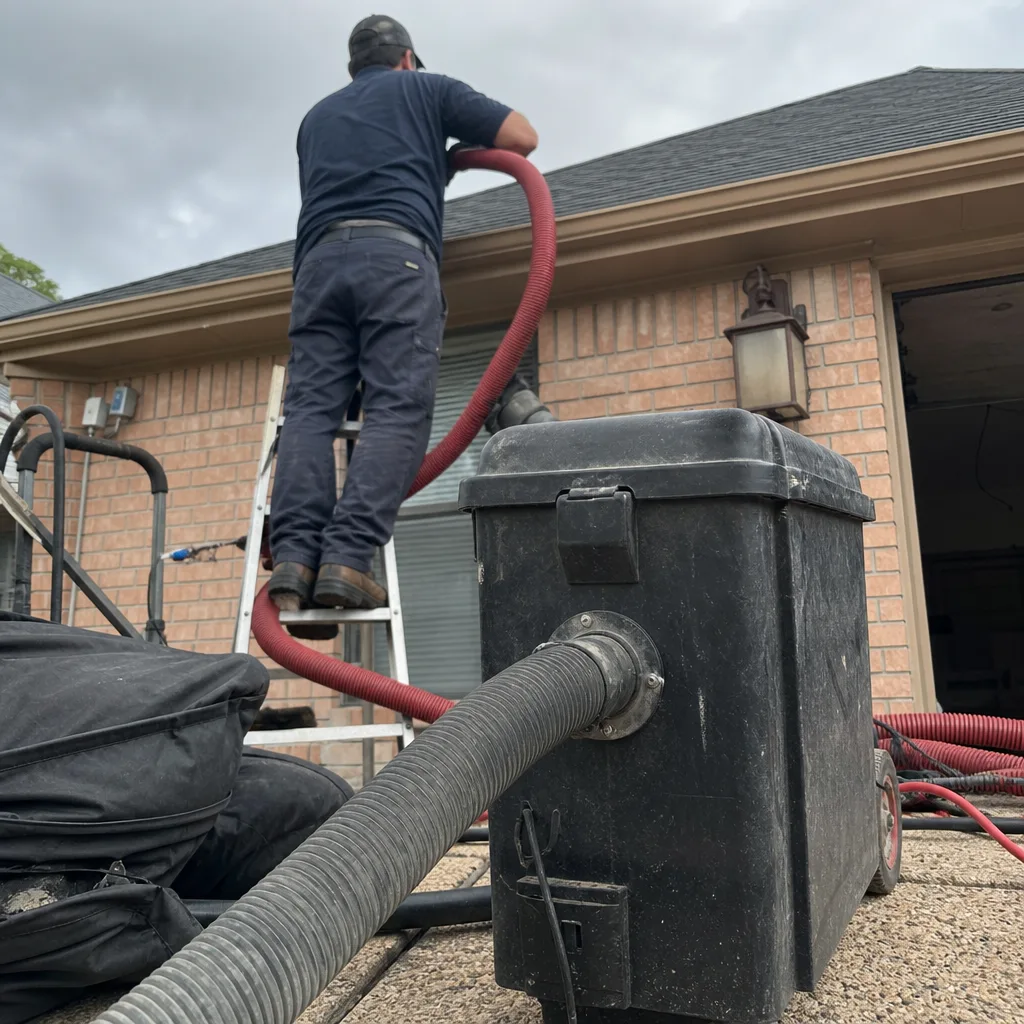
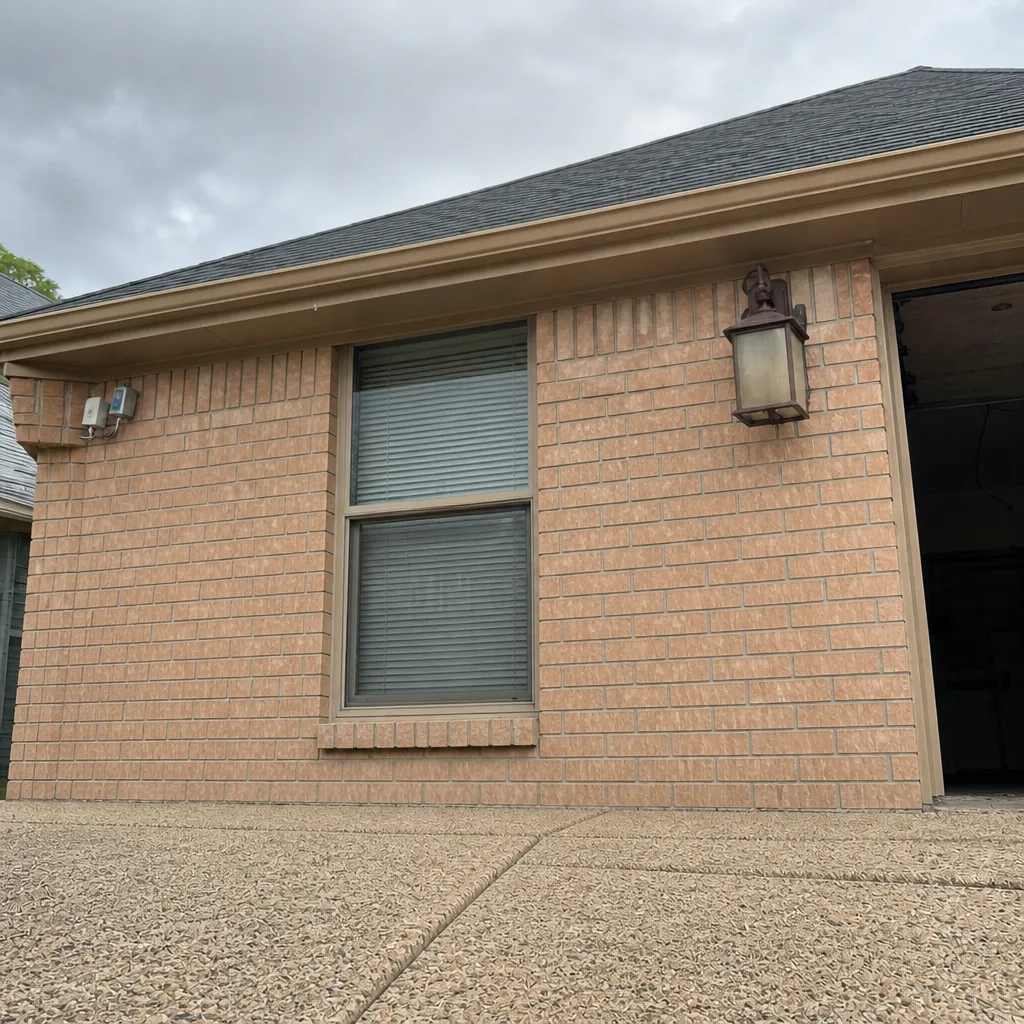
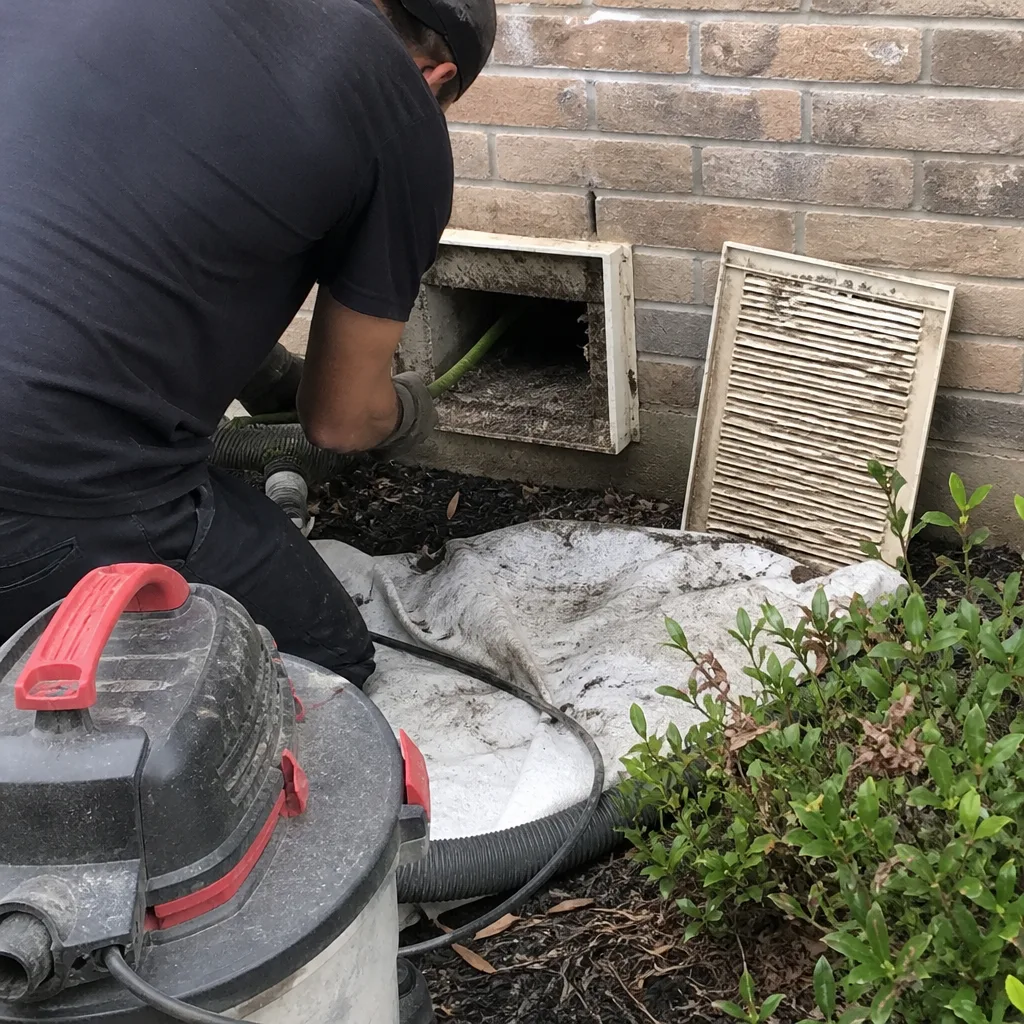
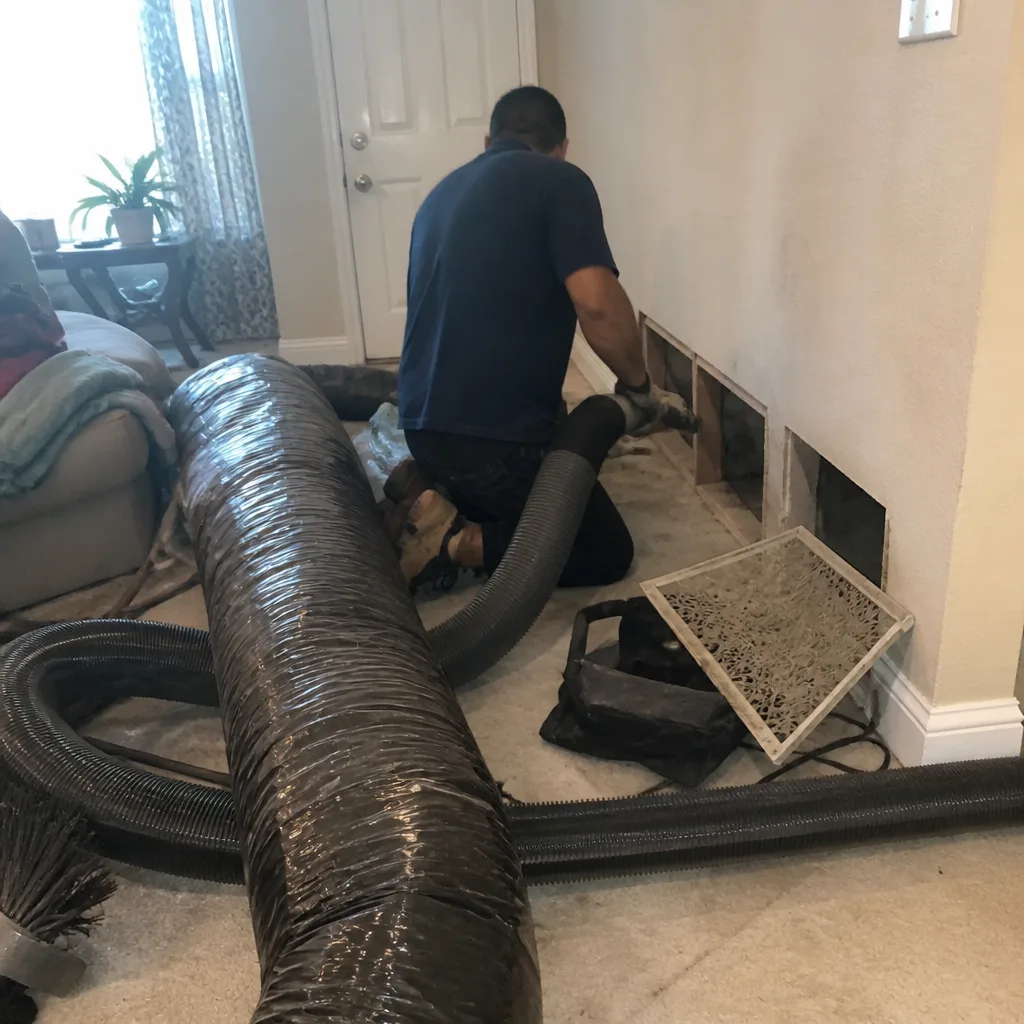
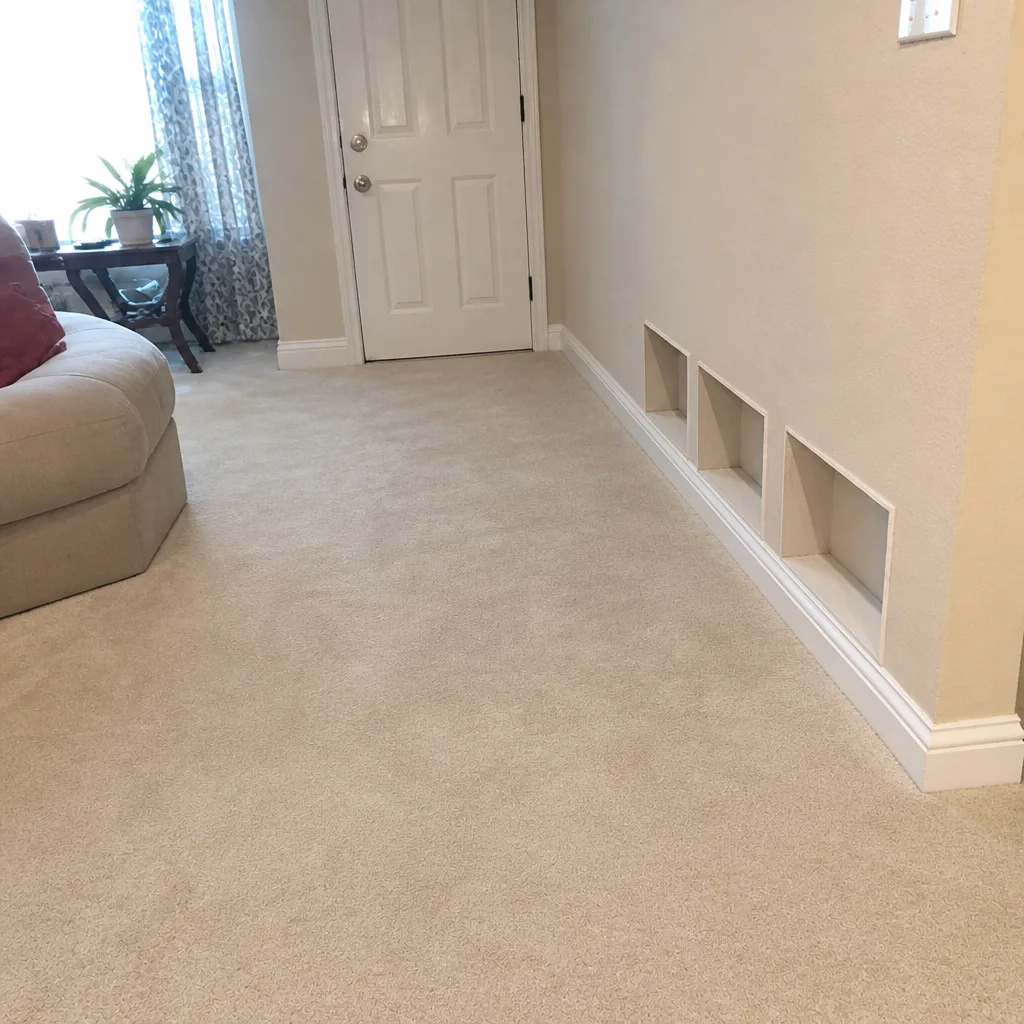
Whole-system duct and dryer vent check with before-and-after photos - you see exactly what came out of your vents
That "$99 whole-house special" is a bait ad - the real number appears once they are in your hallway, or the "clean" is a shop-vac at the register. We photograph the inside of your ducts before and after instead.
Air Duct Cleaning Permits, Codes & Inspections in Lakewood, TX: What You Need to Know
Here’s the part of duct cleaning nobody warns you about. The cleaning itself almost never needs a permit. But the repair that often follows – a collapsed flex run, a crushed trunk line, a plenum that’s come loose – can cross into territory where Texas mechanical code expects a permit and an inspection. If the crew that cleans your ducts also “fixes” them without mentioning any of that, you can end up with an unpermitted HVAC modification sealed inside your walls, and it tends to surface during a home inspection or an insurance claim rather than on the day the work happened. This guide walks Lakewood homeowners through where that line sits, what to verify, and what to keep.
Quick Answer
In Texas, routine air duct cleaning generally does not require a permit, but duct modification work – replacing duct board, rebuilding a plenum, or altering a main trunk line – typically falls under mechanical code and may require a permit through the local building authority. The line between “cleaning” and “modification” is what Lakewood homeowners need to watch, because crossing it without a permit creates paperwork problems at resale and can complicate HVAC warranty claims. Always confirm which category your repair falls into before work starts.
Styles & brands we work with
- Whole-home duct cleaning
- Dryer vent cleaning
- Camera inspection
- Sanitizing & deodorizing
Table of Contents
- Cleaning vs. Modification: Where the Line Sits in Lakewood
- What Texas Mechanical Code Says About Duct Work
- Which Repairs Cross Into Permit Territory
- How to Verify Your Contractor Is Properly Credentialed
- What Documentation to Keep After the Job
- The Insurance and Warranty Angle
- What a Duct-Related Inspection Actually Checks
- Why Lakewood Homes See This Issue More Often
Cleaning vs. Modification: Where the Line Sits in Lakewood
The distinction sounds academic until it lands in your closing paperwork. Cleaning means removing debris, dust, and biological growth from the interior surfaces of ductwork that already exists in its current configuration. Modification means changing the ductwork itself: cutting, adding, rerouting, replacing a section, or resealing a joint in a way that alters the system’s physical assembly.
Cleaning is a maintenance activity. Modification is construction work on a mechanical system. Most Texas jurisdictions treat those two things differently, and for good reason. Cleaning doesn’t affect how the system performs structurally. Modification can affect airflow, static pressure, and how the whole system was originally designed and approved.
In our experience across Lakewood, the confusion usually comes up when a cleaning job turns into a repair job partway through. A technician pulls a vacuum through a branch run and discovers a section of flex duct has collapsed or torn. The fix seems obvious and inexpensive. But whether that fix needs a permit depends on its scope:
- Cleaning only: no permit in most cases.
- Sealing existing joints with mastic or approved tape: usually no permit, but confirm with your local building department.
- Replacing a short section of flex duct: often falls in a gray zone; ask directly.
- Replacing duct board, rebuilding a plenum, or modifying a trunk line: typically requires a mechanical permit and inspection.
Lakewood sits within Dallas County, and the permitting process runs through the local building authority. If you’re ever unsure where your specific job falls, one phone call to the building department before work begins will save you months of headaches later. We tell Lakewood customers the same thing: the call is free and it takes five minutes.
What Texas Mechanical Code Says About Duct Work
Texas adopts the International Mechanical Code as the base standard for HVAC work statewide, with local amendments layered on by individual jurisdictions. That matters for duct work because the code treats duct systems as part of the mechanical system, not as an accessory. The code covers duct sizing, materials, sealing, support spacing, and clearances. Cleaning doesn’t alter any of those characteristics; modification does.
The practical takeaway for Lakewood homeowners: any work that changes the physical duct system’s materials, routing, or dimensions is part of what the mechanical code governs. A cleaning crew that removes debris without touching the duct material is outside that scope. A crew that cuts out a section and installs a replacement is inside it.
There’s also a licensing angle distinct from the permit angle. Texas requires mechanical contractors who perform HVAC work – including duct installation and major repair – to hold the appropriate license through the Texas Department of Licensing and Regulation. Air duct cleaning itself is not a separately licensed trade in Texas, which means a company can legally clean ducts without holding a mechanical contractor license. That company cannot legally perform the repairs that require one.
So when a duct cleaner offers to “fix” something they found, the questions to ask are:
- Is this repair scope limited to cleaning, sealing, or a minor patch?
- If it’s a modification, does your company hold the mechanical contractor license required in Texas?
- Will you pull a permit if the scope requires one?
- Will you provide documentation of the permit and inspection?
If the answers create any hesitation, that’s your signal. We’ve had Lakewood customers call us after a different company repaired ductwork with no paperwork at all – and then struggled to explain the work during a home sale.
Which Repairs Cross Into Permit Territory
This is the section worth bookmarking. Not every duct repair needs a permit, but several common repairs usually do, and the difference between them and routine cleaning is worth understanding clearly.
Repairs that typically fall into permit-required territory:
- Duct board replacement: replacing rigid duct board sections, especially in attic runs or behind drywall, changes the physical assembly of the system.
- Plenum work: the plenum is the large duct box attached directly to the air handler. Modifying or rebuilding it affects system performance and is code-governed.
- Main trunk modifications: adding, removing, or rerouting branches off the main trunk changes system airflow design and almost always requires a permit.
- Relocating any duct run: moving a supply or return to a new location is construction work, not maintenance.
- Resizing ductwork: changing duct diameter or cross-section affects airflow balance and static pressure, and the code cares.
Repairs that usually don’t require a permit:
- Sealing existing leaks with mastic or approved foil tape.
- Reconnecting a disconnected flex duct to an existing collar or boot.
- Replacing a short section of damaged flex duct in the same location and configuration.
- Cleaning, sanitizing, and biological remediation inside existing ductwork.
That last bullet is where most air duct cleaning work lives. A proper cleaning job removes debris without altering the duct system. But because duct systems in older Lakewood homes are often brittle from decades of service, we sometimes find compromised sections that do need real repair. That’s why we perform duct repair and sealing in-house rather than handing you off – it closes the loop between cleaning and fixing, and it means one accountable team is handling both the cleaning scope and any repair scope.
How to Verify Your Contractor Is Properly Credentialed
A company registered to clean ducts is not the same as a company licensed to modify mechanical systems. Texas draws that distinction clearly, and Lakewood homeowners who don’t know where to look can end up with work performed by someone who was qualified for half the job and not the other half.
Here’s the verification sequence we recommend:
- Ask what license they hold. If they’ll be doing repairs that go beyond cleaning and sealing, they should hold a Texas mechanical contractor license through TDLR.
- Look up that license yourself. The Texas Department of Licensing and Regulation maintains a public license search. It takes two minutes and tells you whether the credential is active and in good standing.
- Ask whether the work requires a permit. A contractor who does this regularly will know the answer without hesitation and will tell you clearly which side of the line your job is on.
- Ask who pulls the permit. On permitted work, the contractor typically pulls the permit on the homeowner’s behalf. If they say “we don’t bother with permits for this,” that’s worth a follow-up question.
- Confirm insurance coverage. The local professional performing the work should be licensed and insured as their state requires. Ask for proof of general liability coverage before work starts.
That second step catches more problems than any other. If the license number doesn’t show up, the license may be inactive, suspended, or simply nonexistent. The public database settles the question.
One more note: cleaning companies sometimes subcontract their repair work to a separate mechanical contractor. That’s fine in principle, but the paperwork becomes muddier. Ask who’s pulling the permit, whose license covers the work, and who’s providing the warranty on the repair. If the answer changes partway through the conversation, get it in writing.
What Documentation to Keep After the Job
Here’s where quiet forethought pays off. The paperwork you keep after duct cleaning and any related repair can matter for years, especially in Lakewood where homes change hands regularly and buyers ask for maintenance records.
The documentation package should include:
- Invoice with scope detail: not just “duct cleaning” but the specific systems serviced, the number of returns and supplies, and any repair work performed.
- Photos of the work: before-and-after photos of the duct interiors and any repaired sections. This is the single most useful record for a future home sale.
- Permit number and inspection record: if any of the work required a permit, keep the permit number and the inspection sign-off. This is the document a buyer’s agent will ask for.
- Material documentation: for repair work, note the materials used (mastic brand, duct board specification, flex duct rating). It supports the integrity of the repair if it’s ever questioned.
- Sanitizing product documentation: if sanitizing was performed, keep the product name and safety data sheet. We use Guardsman treatment products and document each application.
- Warranty terms: any warranty on the repair work, in writing, with the duration spelled out.
Disclosure requirements vary, so if you’re preparing to sell, ask your real estate professional what your specific disclosure obligations are. What we can say from experience: a clean paper trail turns a potential negotiation issue into a documented maintenance history. That’s the difference between “the seller had some duct work done” and “here’s the permit, the inspection, and the photos.”
A quick observation from Lakewood: houses in this area range widely in age, and buyers looking in established neighborhoods tend to scrutinize HVAC records closely. Keeping a simple folder – physical or digital – with the original invoice, photos, and any permit documents costs you nothing and can support thousands of dollars of negotiating position later.
The Insurance and Warranty Angle
Insurance and warranty questions come up more often than homeowners expect, and the answers hinge on documentation and code compliance.
HVAC manufacturer warranties typically require that the equipment be installed and serviced according to code and by qualified professionals. If a duct repair voids that condition – for example, an unpermitted plenum rebuild that changes airflow characteristics beyond the equipment’s design spec – the manufacturer can decline a claim on related components. The compressor or blower motor that fails prematurely because of altered static pressure is exactly the kind of claim a manufacturer will investigate.
Homeowner insurance is a different area, but the same principle applies. Claims involving water damage, mold, or fire are sometimes traced back to unpermitted mechanical work. Whether coverage applies depends on your specific policy and how the loss occurred, so read your policy carefully and talk to your insurance agent about any concerns. We’re not insurance professionals, and we won’t pretend to be. What we can say confidently: permitted and inspected work is easier to defend than work with no paper trail.
The uncleaned duct system is the other angle. Heavy biological growth inside ductwork – the kind that develops when moisture enters an unsealed system in a humid climate – can produce conditions that a homeowner’s policy may treat differently than a straightforward cleaning issue. In Lakewood, where summers push humidity hard and older homes often have duct systems that aren’t perfectly sealed, this comes up more than in drier parts of Texas.
Our approach for Lakewood customers: if we find conditions that suggest a future insurance or warranty issue, we say so plainly. Then we recommend what needs to happen and give a written estimate before any work starts. One flat price per system, agreed before we begin.
What a Duct-Related Inspection Actually Checks
When a permit is pulled for mechanical work, the inspection that follows checks a specific set of conditions. Knowing them helps you understand what “passed inspection” actually means.
A typical duct-related mechanical inspection reviews:
- Materials compliance: the duct board, flex duct, sealants, and tape meet the ratings required by the mechanical code.
- Proper support and spacing: duct runs are supported at the required intervals and aren’t sagging or crushed.
- Sealing at connections: joints, collars, plenums, and boots are sealed with approved materials – not duct tape alone, which is not approved for permanent sealing in most jurisdictions.
- Clearances: ductwork maintains required clearances from heat sources, and from combustible materials where applicable.
- Airflow adequacy: the installed system delivers the designed airflow to each zone. Test equipment confirms static pressure is within spec.
- Access for future service: the system remains accessible for cleaning and maintenance.
Home inspections during a sale are different. A general home inspector isn’t a mechanical code inspector, but they’ll flag visible issues: crushed flex duct in the attic, disconnected runs, or ductwork that doesn’t appear to have been updated in decades. Those flags can trigger a buyer’s request for further evaluation, which is when a lack of permit documentation becomes a real cost.
One clarification we want to make: cleaning is not inspected under these mechanical permits because cleaning doesn’t fall within their scope. If a contractor tells you their cleaning requires an inspection, ask what specifically needs to be inspected – that’s a reasonable question, and the answer will tell you whether you’re talking to someone who understands the code.
Why Lakewood Homes See This Issue More Often
Lakewood is an established neighborhood, and established means ducts that have been in place for a long time. The systems inside most Lakewood homes have been through multiple HVAC replacements over the years, and the ductwork around them hasn’t always kept pace. Attic duct runs that were adequate for one system may be marginal for the next.
The local climate matters too. Lakewood summers are hot and humid, and duct systems that pull moist air into an unconditioned attic can develop condensation on the exterior of the duct surface. That condensation, over time, creates conditions where dust and biological growth accumulate faster than they would in a drier climate. The result: duct systems that look fine from the outside but have accumulated significant debris and occasional microbial growth inside.
Add to that the way houses are constructed in older Lakewood neighborhoods. Duct work often runs through tight spaces – crawl areas, chases, soffits – where access is limited and debris is harder to remove. Our technicians use Rotobrush and Nikro equipment specifically because those platforms handle the tight-access scenarios we see regularly in Lakewood homes, and Abatement Technologies containment gear keeps the work area negative-pressured so dust doesn’t migrate into living space. The same equipment used in commercial remediation, applied to a residential job.
This is why we approach duct work as an inspection-first service. Any HVAC cleaning job starts with a look at what’s actually inside the system, and we document our findings with photos. If what we find needs repair beyond cleaning, we’ll say so and walk you through the options – including whether the repair needs a permit and who will pull it.
Common Mistakes to Avoid
- Letting repairs happen without asking about permits. If a cleaning crew discovers a repair and offers to handle it on the spot, ask whether it’s a permit-required modification before they touch anything.
- Assuming “licensed” means licensed for that specific work. A company registered to clean ducts isn’t automatically licensed to modify mechanical systems. Verify through the TDLR database.
- Accepting a verbal “we sealed it up” without photos. Sealing work inside walls or an attic disappears the moment the crew leaves. Before-and-after photos of the actual repair are your only verifiable record.
- Skipping the permit because it seems minor. During a Lakewood home sale, an unpermitted plenum rebuild or trunk modification can surface as a buyer’s concern and delay closing.
- Throwing away the invoice after cleaning. Keep the invoice, the photos, and any permit/inspection records together. They matter at resale and if an HVAC warranty claim ever comes up.
- Choosing a duct cleaning company based solely on the lowest quote. Cheap quotes often mean consumer-grade equipment or cleaning that doesn’t reach the full system. Look at the equipment list and ask about scope.
- Repairing ductwork with duct tape alone. Duct tape isn’t approved for permanent sealing in most jurisdictions. Mastic or listed foil tape is the standard, and a repair that fails before a code inspection will fail at inspection.
- Ignoring a musty smell after the HVAC runs. Persistent odors after the system turns on are a signal of biological growth inside the duct system. Cleaning and proper sanitizing address the cause; masking the smell doesn’t.
See the difference
 Before
 After
 Before
 After
 Before
 After
When to Call a Professional
Some situations clearly call for a professional assessment: visible mold on or around a supply register, persistent musty odors when the HVAC runs, visible dust blowing from the registers right after the system starts, or a sudden drop in airflow to part of the house. So does any duct system that’s never been cleaned and that’s serving a household with allergy or respiratory concerns.
If a home inspection has flagged ductwork, that’s a professional call too – and it’s worth having a specialist assess the system before deciding what the repair scope should be. The same applies if you’re preparing to sell a Lakewood home and want clean documentation on the duct system and any related repairs.
Lakewood Air Duct Cleaning Pros offers free estimates in Lakewood. We inspect the system, document what we find with photos, and give you a written scope – cleaning where cleaning is what’s needed, and repair or sealing where the system needs that too. One flat price per system, agreed before work starts. Call (877) 492-2029. We answer 24/7. Fast dispatch from 7am to 7pm, Sunday through Friday.
Frequently Asked Questions
No, routine air duct cleaning typically does not require a permit in Lakewood or anywhere in Texas. Cleaning is a maintenance activity that removes debris from existing ductwork without altering the system. Permit requirements begin when the work crosses into modifying the duct system itself – replacing duct board, rebuilding a plenum, or altering a trunk line. If you’re unsure which side of the line your job is on, one call to the local building department settles it. For a cleaning-only service, no permit is needed; call (877) 492-2029 to book an estimate.
The dividing line is whether the repair changes the physical duct system or just cleans and reseals what’s already there. Sealing existing joints, reconnecting a loose flex duct to its collar, or replacing a short section of flex duct in the same location usually doesn’t require a permit. Replacing duct board, rebuilding a plenum, modifying a main trunk, or relocating a run typically does. Ask your contractor directly which category the work falls into and confirm with your local building department. Call (877) 492-2029 for a free estimate that includes a clear explanation of permit requirements.
Check their license through the Texas Department of Licensing and Regulation’s public license search. Cleaning ducts doesn’t require a mechanical license in Texas, but performing duct repair and modification does. Ask the company what license they hold for the repair scope, get the license number, and look it up yourself. A contractor who does permits regularly will answer without hesitation. Verify insurance coverage as well – the local pro should be licensed and insured as their state requires. Call (877) 492-2029 for an estimate with a documented repair scope.
Keep the itemized invoice, before-and-after photos of the duct interiors and any repaired sections, and the permit number plus inspection sign-off if the work required one. Also keep material documentation (mastic brand, flex duct rating), sanitizing product paperwork if used, and any written warranty on the repair. That folder becomes a documented maintenance history during a home sale and supports HVAC warranty claims if a component fails later. A clean paper trail is worth real money at closing. Call (877) 492-2029 for an estimate with full documentation.
Yes, they can. Manufacturer warranties typically require service according to code, and an unpermitted modification that affects airflow or static pressure can affect a claim on related components. Homeowner insurance claims involving water damage, mold, or fire can also be traced back to unpermitted mechanical work, depending on the specific policy language. We’re not insurance professionals, and we recommend you talk to your agent about your specific coverage. What we can tell you: permitted and inspected work is far easier to defend than work with no paper trail. Call (877) 492-2029 for a free estimate.
It creates conditions that reward a proactive approach. Lakewood’s hot and humid summers can produce condensation on duct surfaces that run through unconditioned attic space, and that moisture encourages dust and biological growth to accumulate inside the system faster than in drier climates. If you’re noticing musty odors when the HVAC turns on, or dust settling quickly after every cleaning session, the system deserves a professional look. Cleaning plus sanitizing addresses the growth; sealing and repairing the duct system addresses the cause. Call (877) 492-2029 for an inspection-first estimate.
The Bottom Line
Duct cleaning itself sits outside the permit-and-inspection world. The repair work that often follows it sits inside. Recognizing that line is the entire point of this guide. Before any Lakewood homeowner authorizes repair work discovered during a duct cleaning, three questions do the work: What’s the scope? Does this require a permit? Who holds the license for it?
Keep your paperwork. Permit records, before-and-after photos, and a detailed invoice protect you at resale and support HVAC warranty claims. Verify credentials through the TDLR database rather than taking a verbal confirmation. And if a company offers to fix ductwork without mentioning permits or providing documentation, treat that as a signal to look closer.
Air you can trust starts inside the system, not just at the filter. Our technicians have up to 8 years of experience working on duct systems in this climate, using Rotobrush, Nikro, and Abatement Technologies equipment – the same platforms used in commercial remediation work. From debris removal to sanitizing with Guardsman treatment products to duct integrity repair and sealing, the full scope stays with one specialized team. If you want a straight inspection with an honest scope and a written estimate, call Lakewood Air Duct Cleaning Pros at (877) 492-2029. We answer 24/7. Fast dispatch from 7am to 7pm, Sunday through Friday. Estimates are free, and one flat price per system is agreed before any work starts.
Written by the team at Lakewood Air Duct Cleaning Pros.