
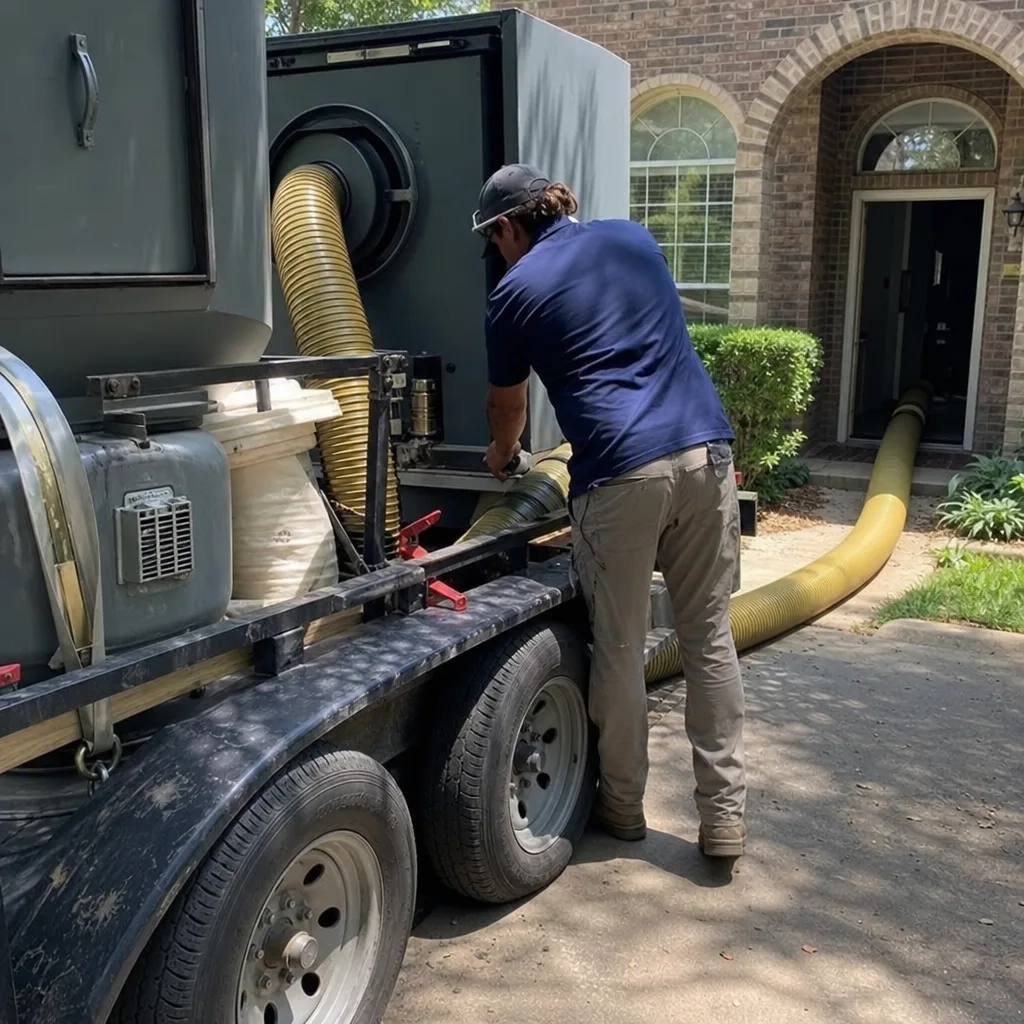
Last updated November 23, 2026
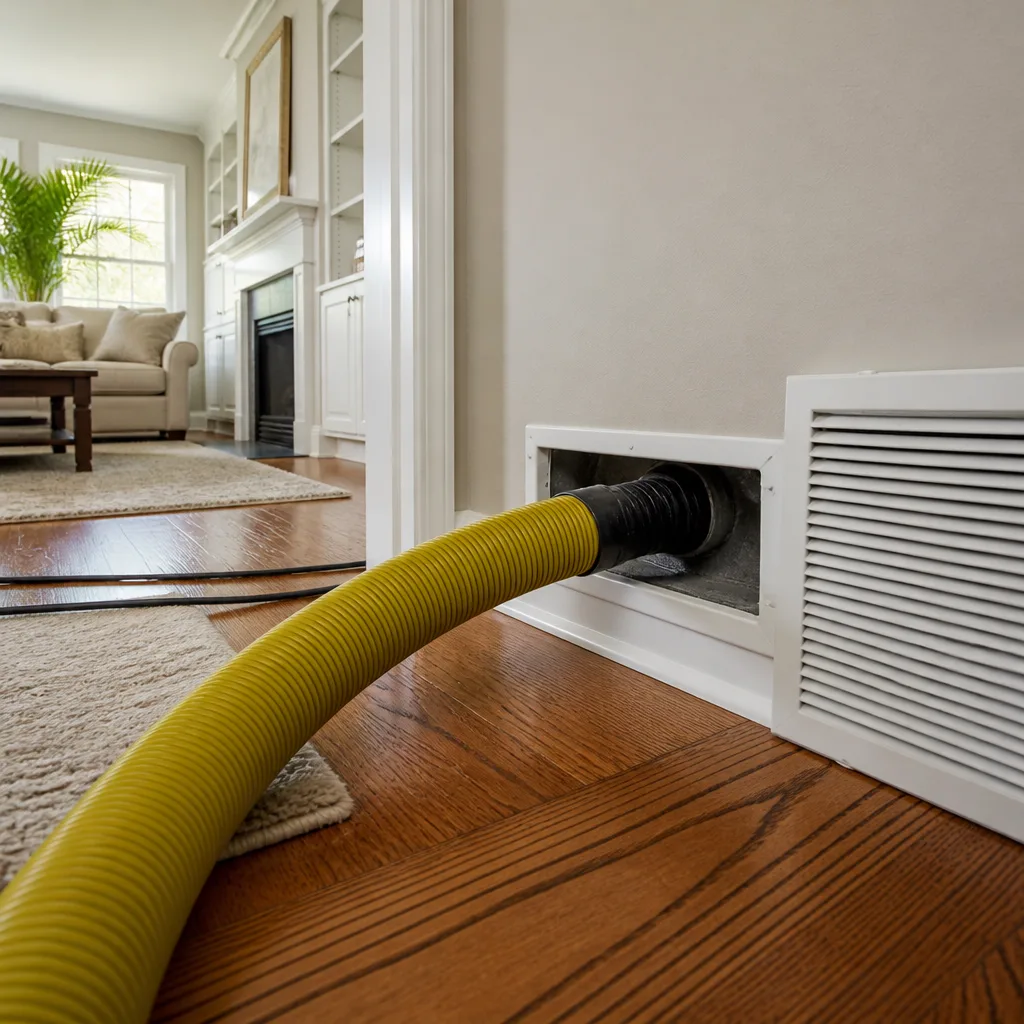 Whole-home duct cleaning
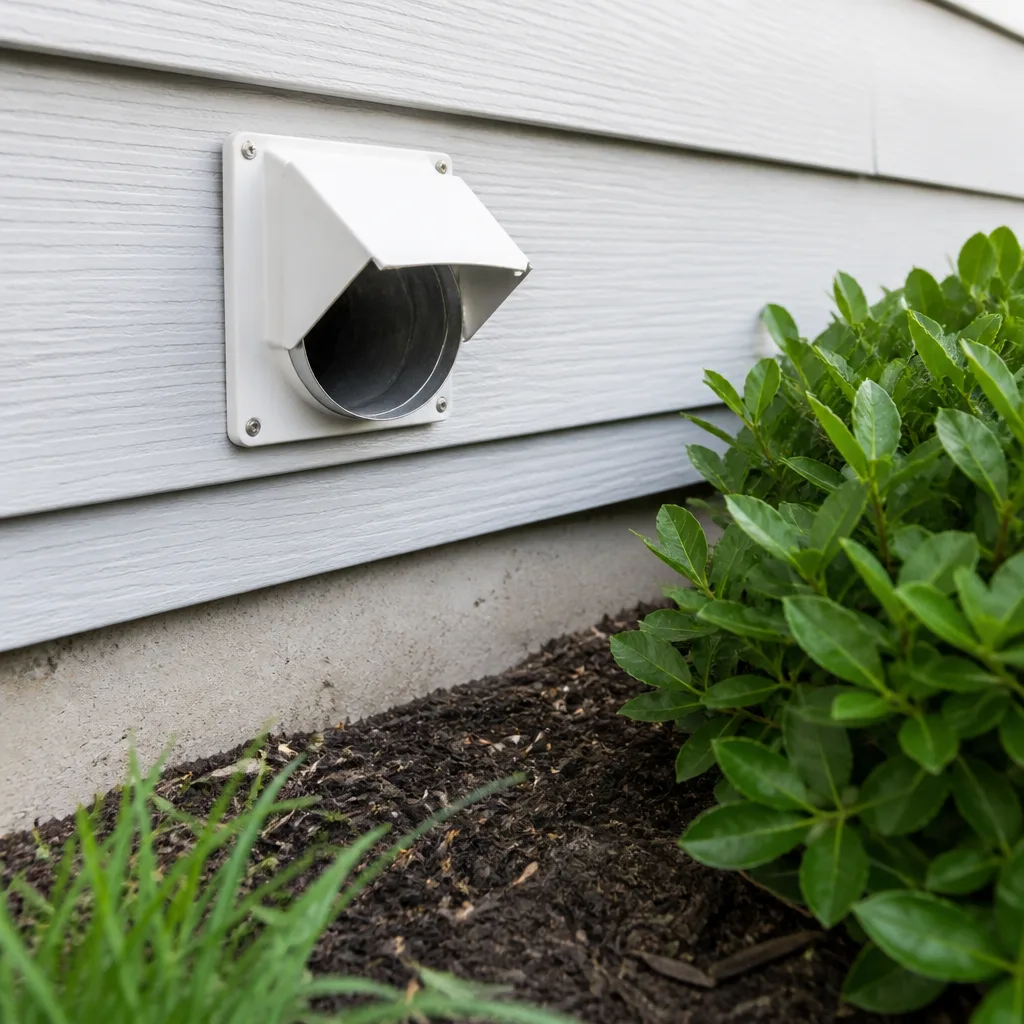 Dryer vent cleaning
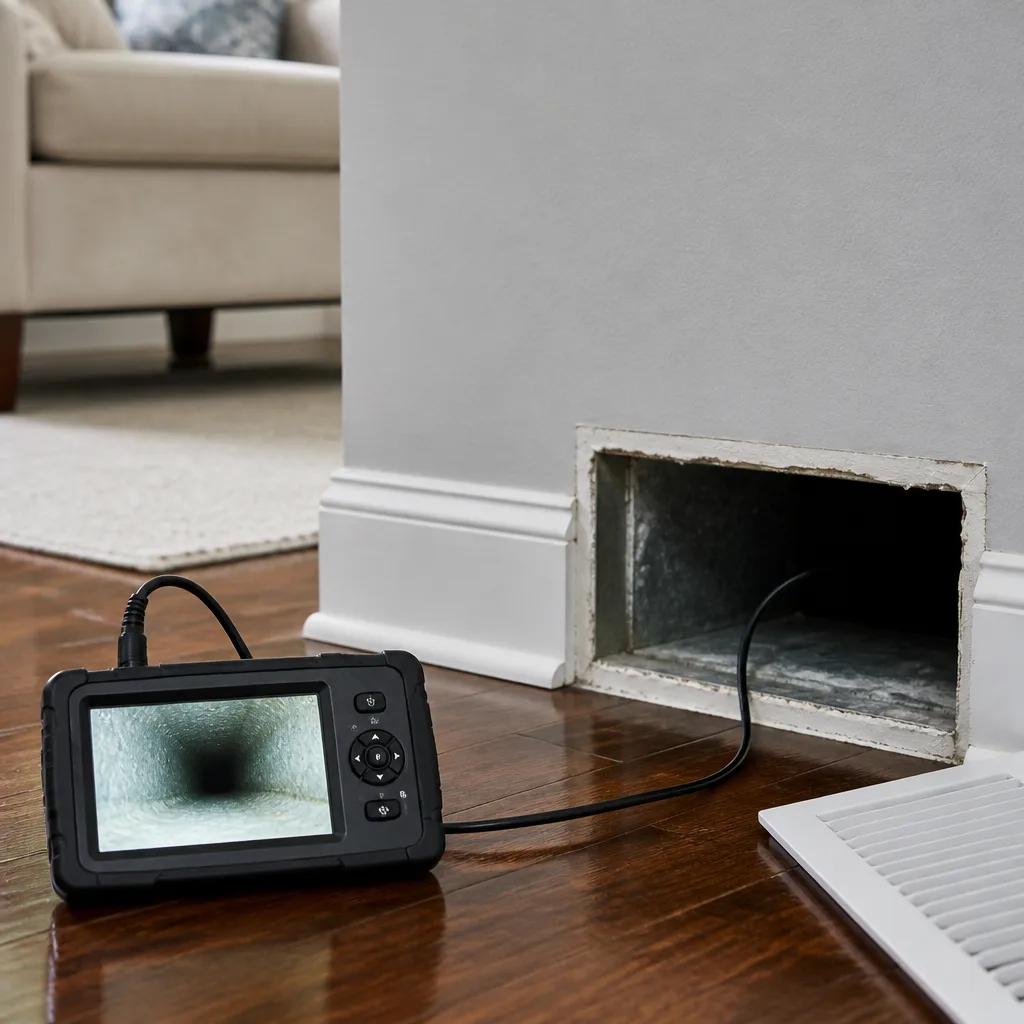 Camera inspection
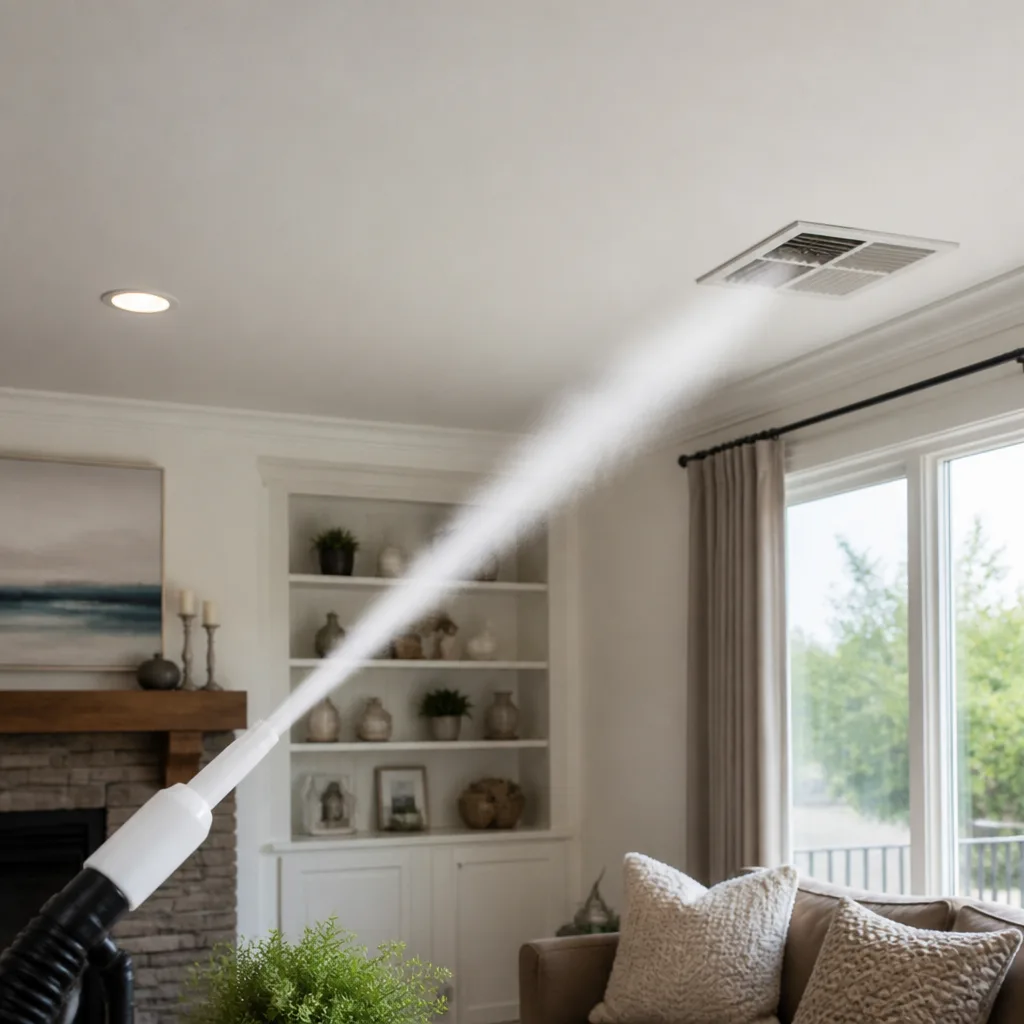 Sanitizing & deodorizing
Whole-system duct and dryer vent check with before-and-after photos - you see exactly what came out of your vents
That "$99 whole-house special" is a bait ad - the real number appears once they are in your hallway, or the "clean" is a shop-vac at the register. We photograph the inside of your ducts before and after instead.
Air Duct Cleaning Cost Breakdown: The Lakewood Homeowner’s Reference for 2026
A $200 quote and an $800 quote for the same house aren’t two companies pricing differently. They’re two completely different scopes of work, and only one of them is actually cleaning your ducts. That’s the part most homeowners never hear. A low quote usually means a vacuum at the main trunk and a few minutes at each register, while an honest whole-system job means containment, agitation, negative pressure, and a crew that stays until the system is verifiably clean. This guide deconstructs the variables that drive the cost of a Lakewood duct cleaning job so you can estimate your own tier before anyone walks through the door, and spot a quote that’s too low to be real.
Quick Answer
Air duct cleaning in Lakewood typically runs $350 to $900 for a whole-home system, and most single-family houses land between $450 and $700. That range covers a true whole-system clean with containment and negative pressure. Jobs that add sanitizing after confirmed microbial growth, or that include duct repair and sealing, push higher. A quote well under $300 for a full house usually signals a partial or surface-level service, not a bargain.
For a deeper look at what a full clean actually involves, see our air duct cleaning page.
Styles & brands we work with
- Whole-home duct cleaning
- Dryer vent cleaning
- Camera inspection
- Sanitizing & deodorizing
Table of Contents
- Per-Duct Pricing vs. Whole-System Pricing
- Add-Ons With Real Value vs. Questionable Upsells
- How Home Age and Duct Material Affect Price
- Accessibility: Attics, Crawlspaces, and Blocked Registers
- A Self-Assessment Framework for Your Job Tier
- Contamination Type and Why It Changes the Number
- Cost Breakdown by Job Tier
- How to Read a Duct Cleaning Quote
Per-Duct Pricing vs. Whole-System Pricing
There are two basic ways a duct cleaning company prices a job, and which one you get tells you a lot about the work. Per-duct pricing charges a flat rate for each supply register or return the crew cleans, so the total depends on how many openings your system has. Whole-system pricing charges one agreed flat price for the entire system regardless of how many registers exist. In Lakewood, where many homes were built during the mid-century expansion and carry anywhere from 10 to 20 supply registers, that difference matters.
Per-duct pricing looks transparent because you can count openings yourself, but it punishes you for a larger home even when the per-duct rate is low. It also invites the worst version of bait-and-switch: a teaser rate per vent that balloons once the technician is on site and starts counting. Whole-system pricing is the model we use and the one we recommend asking for, because it forces the company to commit to a scope in writing before work begins.
Here’s what each looks like in practice:
- Per-duct: A per-register rate, multiplied by your register count. Cheap headline rates often exclude the return side, the main trunk, or the blower.
- Whole-system: One flat price for supply, returns, main trunk, and connected components. The written estimate sets the final price.
- Hybrid: A base whole-system rate that adds line items for contaminant type, access difficulty, or add-on services.
The hybrid model is honest when the add-ons are legitimate. It’s a problem when the “add-ons” are actually parts of the job that should have been included. Ask a simple question: does this price clean supply, returns, trunk, and blower, or is any of that extra? If the answer is “extra,” you’re looking at a partial clean wearing a full-clean price tag.
Add-Ons With Real Value vs. Questionable Upsells
Some add-ons genuinely improve your indoor air and some are upselling with no measurable return. The ones worth paying for address a specific problem you can name: confirmed microbial growth, a dryer that’s venting slowly, or ductwork that’s leaking at the seams. The ones to question are services you can’t verify and didn’t ask for.
Add-ons with legitimate value:
- Sanitizing after confirmed contamination. When cleaning reveals visible microbial growth or a persistent musty odor, a post-clean treatment makes sense. We apply Guardsman treatment products as a distinct step after debris removal, not as a fog sprayed over a dirty system, which does almost nothing.
- Dryer vent cleaning. This is a separate service with its own fire-safety and efficiency reasoning. A clogged dryer vent is a real risk and a common one, and it’s worth doing on its own schedule rather than folded into a duct clean. Our dryer vent cleaning page walks through what’s involved.
- Duct repair and sealing. Cleaning a system that’s leaking at the joints is a half-job. Where we find gaps or disconnected runs, closing them in-house means the clean actually holds. See the scope on our Lakewood Air Duct Cleaning Pros page.
- Air quality hardware. If you’re going to invest in filtration, doing it with Honeywell or Aprilaire products integrated into the system makes the cleaning part of a bigger fix rather than a standalone. We’ll explain what fits your system.
Add-ons with questionable ROI:
- Coating every duct surface by default, before contamination is even confirmed.
- Enzyme mists sprayed with no identified problem to treat.
- UV lights positioned downstream of the coil where they do little actual work.
- Any bundle where you can’t tell what’s included in the base and what’s the add.
The pattern: a valuable add-on fixes a specific, named problem. A questionable one sells you a product to a problem that may not exist.
How Home Age and Duct Material Affect Price
The older and more varied the duct system, the longer the crew is on site, and labor is the biggest driver of any duct cleaning price. In Lakewood, that range is wide. Homes built in the 1950s and 1960s sometimes still have original sheet metal runs with sealed seams, straightforward to clean. Homes remodeled two or three times over the decades might carry a mix of flex, sheet metal, and duct board in the same attic, which takes longer to work through because each material responds differently to cleaning equipment.
Here’s how the three common materials affect labor:
- Sheet metal. The most durable and the easiest to clean. Rigid runs tolerate brush agitation and negative pressure well. If the seams are tight, the job is direct.
- Flex duct. Common in additions and retrofits. Flexible runs can sag or kink, which traps debris and limits the reach of a brush. Cleaning takes more patience and often reveals runs that should be replaced rather than cleaned.
- Duct board. A fibrous board with a foil or coated face. It’s the trickiest, because aggressive brushing can damage the interior surface. A careful crew uses gentler methods on duct board, which takes longer but protects the system.
Home age also decides how much contamination is present to begin with. A house that’s been through two decades of filters that never quite fit will have debris packed into the returns; a newer system might have moderate light dust. Debris volume and the time to remove it is the line item behind the price.
You can see how material and contamination interact on our HVAC cleaning page, since duct work and the air handler are cleaned together for best results.
Accessibility: Attics, Crawlspaces, and Blocked Registers
Accessibility is the quiet cost driver that rarely appears on a quote until a technician is standing in your attic. A duct system’s reachable points aren’t always easy points. The angles, the clearance, and how tidy your rooms are all translate into time on the clock.
The accessibility factors that add to a Lakewood job:
- Attic runs. Most Lakewood duct systems route through the attic, and if the attic is low-clearance, the crew spends more time moving safely around joists and insulation. That’s time and skill, not padding.
- Tight crawlspace returns. Return plenums that run through a cramped crawlspace are harder to access and slower to clean.
- Furniture-blocked registers. A register behind a sofa or under a bed still has to come off. Moving furniture to reach it is work; leaving it blocked is a partial clean.
- Covered or sealed registers. Painted-over, taped-shut, or otherwise sealed registers have to be opened carefully and resealed after cleaning, which takes extra handling.
- Long duct runs. Long runs and multiple trunks mean more connections to agitate and more negative-pressure setup to hold containment across the whole system.
None of these are reasons to charge more than a fair price. They’re reasons the fair price varies. An honest quote asks about your access before it delivers a number, or at least transparently prices the tier your system falls into.
A Self-Assessment Framework for Your Job Tier
You can estimate roughly where your job sits before you call anyone. Use the factors below to place your home in one of three tiers. The goal isn’t a precise price, it’s knowing what to expect so a suspiciously low or high quote stands out.
- Count your supply registers and returns. Under 10 supplies is a smaller system; 10 to 20 is typical for a Lakewood single-family home; over 20 is a larger system with more runs to clean.
- Note the duct material you can see. Sheet metal only is straightforward. Flex, duct board, or a mix pushes the job toward a higher tier.
- Check your access. Can the crew reach the trunk and the returns without contortion? Is the attic low? Are registers blocked by furniture?
- Look for signs of heavy contamination. Visible debris at the registers, a persistent musty smell, or a filter that clogs within weeks point to a heavier clean.
- Decide on add-ons in advance. Sanitizing only if contamination is confirmed. Dryer vent cleaning as its own need. Repair and sealing if leak points are found.
The tiers:
- Standard tier (smaller, sheet metal, good access, light contamination): The lower end of the range.
- Mid tier (typical Lakewood home, 10 to 20 registers, mixed access): The middle of the range.
- High tier (larger system, flex or duct board, tight access, heavy contamination, add-ons): The upper end.
If your home is mid-tier and a quote lands at the bottom of the range, ask exactly what’s included. You’ll usually find the answer in what’s missing.
Contamination Type and Why It Changes the Number
Not all dirt is equal. Light household dust is cleaned with standard agitation and negative pressure. Heavy contamination – pet hair packed into returns, construction dust from a remodel, microbial growth from a moisture problem, or grease vapor near a kitchen run – demands more time, more containment, and sometimes sanitizing afterward. In our experience, the contamination type is the single variable homeowners most often underestimate when they expect a quote.
The categories we see in Lakewood homes break down like this:
- Routine dust and lint. The baseline clean. No extra steps.
- Pet dander and hair. Common in homes with animals; the returns trap more than the supplies and need more passes.
- Construction dust. After a remodel or addition, drywall dust and debris settle into the system. The clean has to capture what’s there without spreading it into the living space, which is where containment and negative-air equipment matters. This is the kind of job where Abatement Technologies gear shows its value.
- Microbial growth. Signals a moisture source that has to be addressed, not just cleaned. Cleaning without fixing the moisture feeds the problem back. Sanitizing follows confirmed growth, not a guess.
- Odor without visible debris. Sometimes the smell is the whole complaint. That calls for a careful inspection to find the source before pricing a treatment.
If contamination is confirmed microbial, the price reflects a two-stage job: clean, then sanitize. If no growth is found, you shouldn’t be sold sanitizing. That’s the difference between an add-on with value and an upsell.
Cost Breakdown by Job Tier
These are typical, estimated ranges for Lakewood, not exact prices. The written estimate after inspection sets the final price. Use the table to orient your expectations before you call.
| Job Scenario | Typical Estimated Range |
|---|---|
| Standard whole-system clean (smaller system, sheet metal, good access) | $350 – $450 |
| Mid-tier whole-system clean (typical Lakewood home, mixed access) | $450 – $700 |
| High-tier clean (larger system, flex or duct board, tight access) | $700 – $900+ |
| Sanitizing after confirmed microbial growth (added to clean) | Priced per job on the estimate |
| Duct repair and sealing (added to clean) | Priced per job on the estimate |
| Dryer vent cleaning (separate service) | Quoted separately |
Note what the table doesn’t do: it doesn’t quote per vent, and it doesn’t offer a teaser headline price. Both of those exist to get a technician through your door, then expand the invoice. A whole-system range with a written estimate is the honest format. Call (877) 492-2029 for a free estimate – we’ll price your actual system, not a number on a coupon.
How to Read a Duct Cleaning Quote
A duct cleaning quote should read like a scope of work, not a one-line special. The line items you can actually verify are the ones that tell you whether the clean is real. Read any quote against this list.
- Does it include supply, returns, main trunk, and blower? A real whole-system clean covers all of them. If any is excluded, it isn’t a whole-system clean.
- Is containment and negative pressure mentioned? Cleaning without negative pressure can spread debris through the house. Equipment matters; professional-grade platforms with real containment are different from a shop vacuum with a long hose.
- Is the price flat per system or per vent? Whole-system flat pricing with a written scope is the transparent model. Per-vent pricing is the one to scrutinize.
- Are add-ons itemized separately? Sanitizing and repair should be listed with their own prices, not bundled ambiguously.
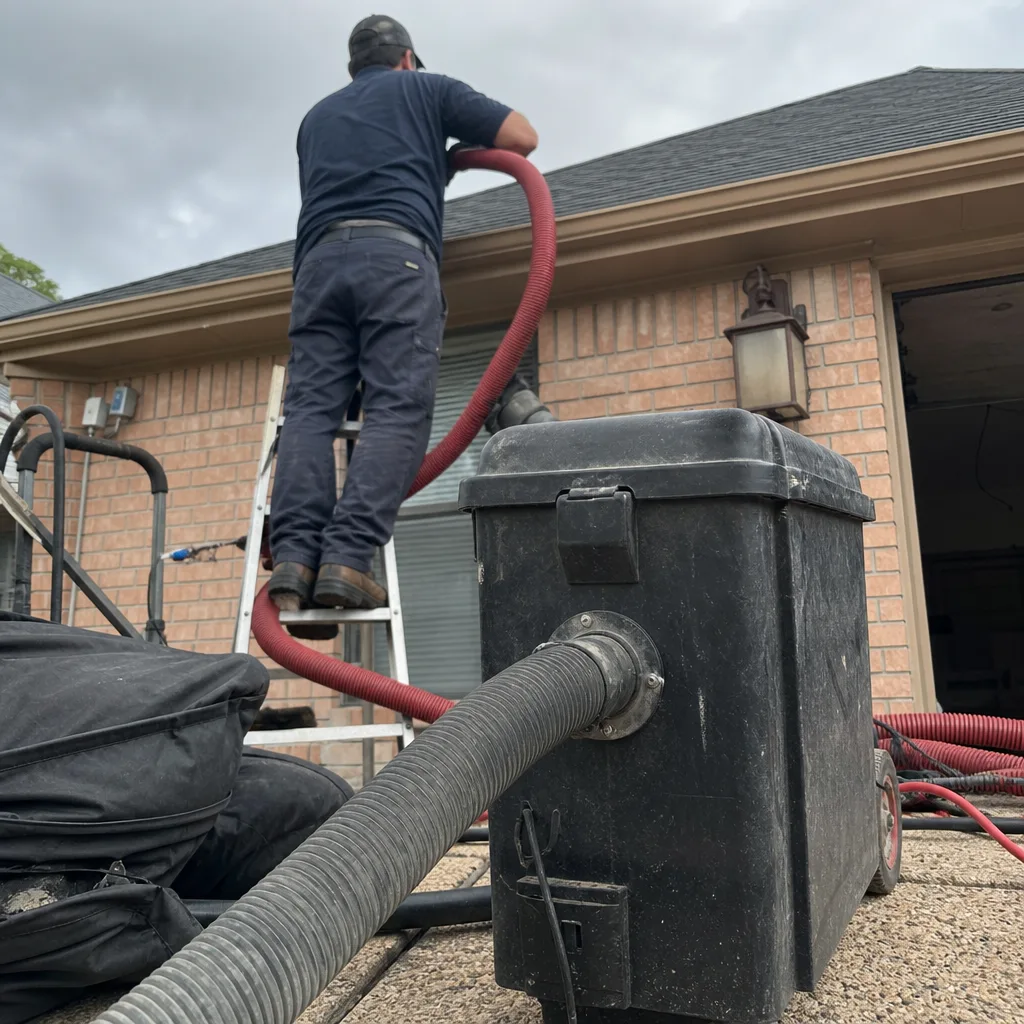
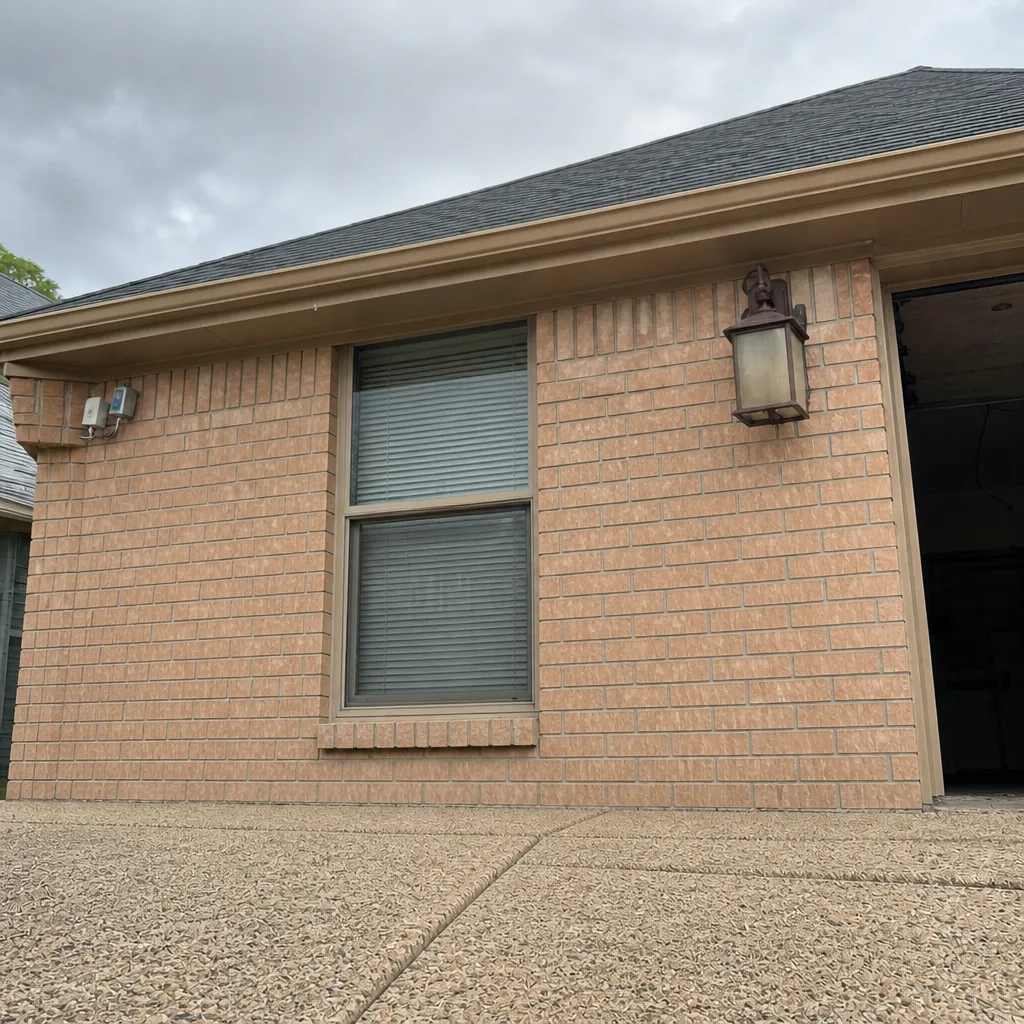
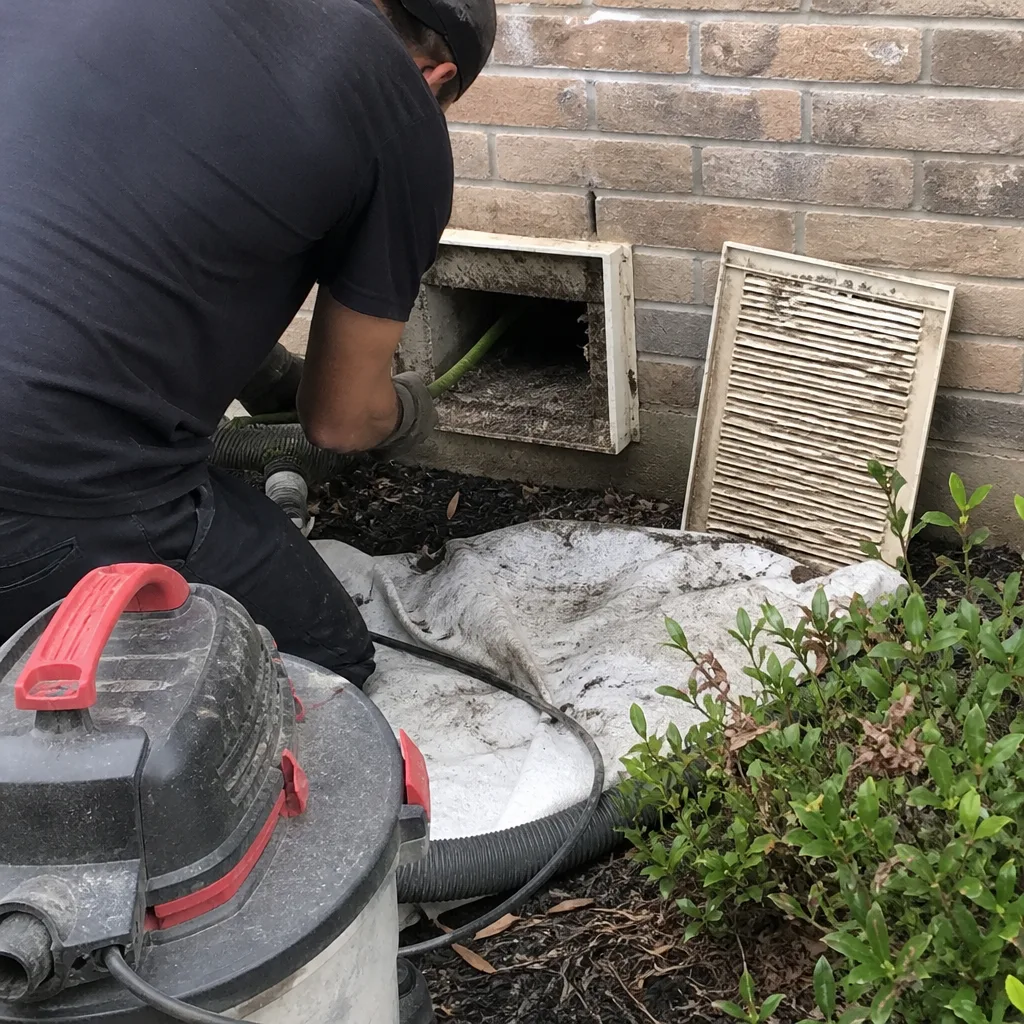
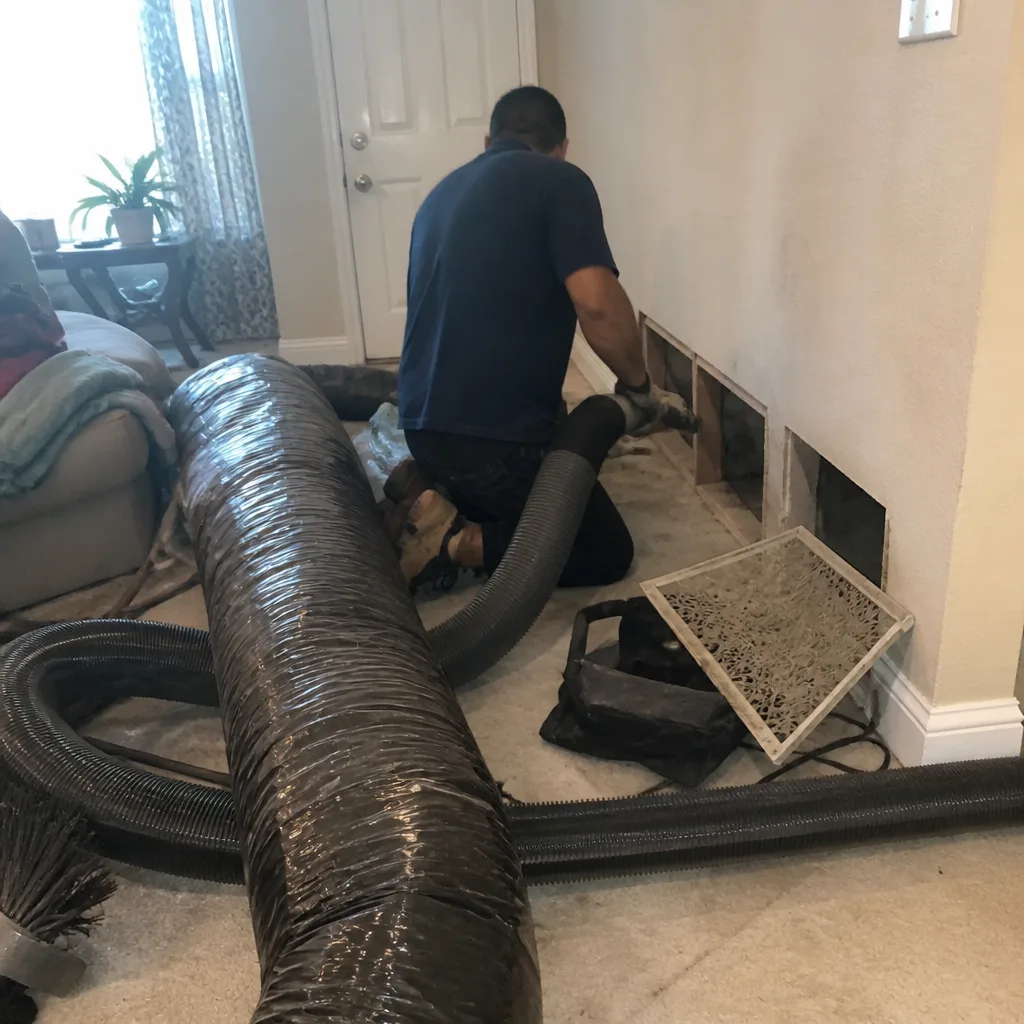
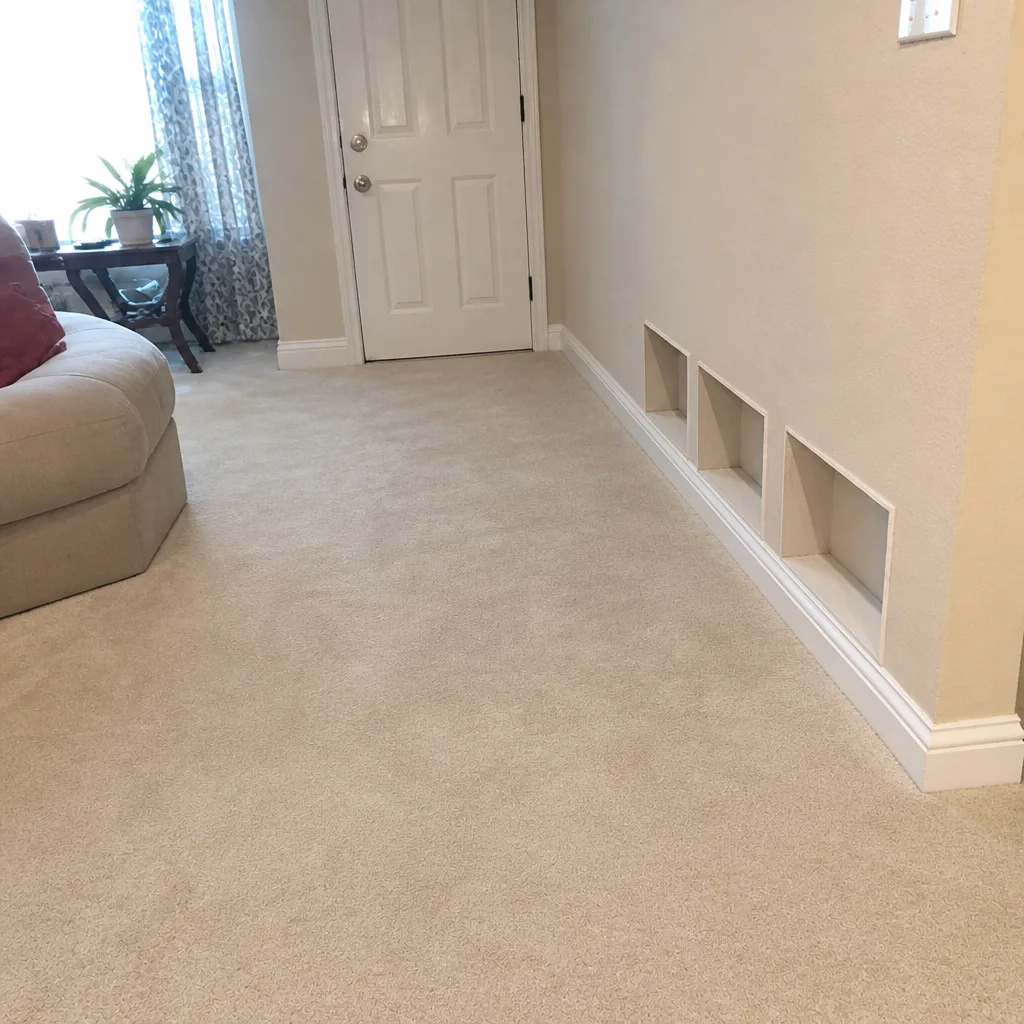
- Will you get before-and-after photos? This is your proof the work happened. Ask for photos of your own ducts.
- Is the scope in writing before work begins? Yes or no, and if no, that’s your answer.
If a quote is thin on any of those six, ask. A specialist will answer with specifics about process and equipment. If the answer is vague, that price likely covers a vague job.
Common Mistakes to Avoid
- Choosing on the lowest price alone. The cheapest quote is usually the narrowest scope. A low number with no scope in writing means you’re comparing a partial clean to a full one.
- Assuming “per-vent” is a bargain. A low per-vent rate applied to a 16-register Lakewood home, then expanded to cover returns and trunk as add-ons, can end higher than a stated whole-system price.
- Letting sanitizing get sold without confirmation. Fogging a dirty system does little. Sanitizing is a post-clean step after confirmed growth, not a default charge on every job.
- Cleaning without fixing what’s broken. Ducts leaking at the seams lose their clean air to the attic. If a quote cleans but never inspects for leaks and disconnections, you’re paying twice – once for the clean and again when the dust returns.
- Skipping the dryer vent thinking it’s included. It usually isn’t, and it’s worth doing on its own. Treat it as a separate line on the plan.
- Not asking for before-and-after photos. Without them, you have no way to confirm the work was actually done. Ask upfront so it’s expected.
- Ignoring access problems until the technician arrives. Tell the company about a low attic or a blocked register when you book. It’s better priced transparently than discovered mid-job.
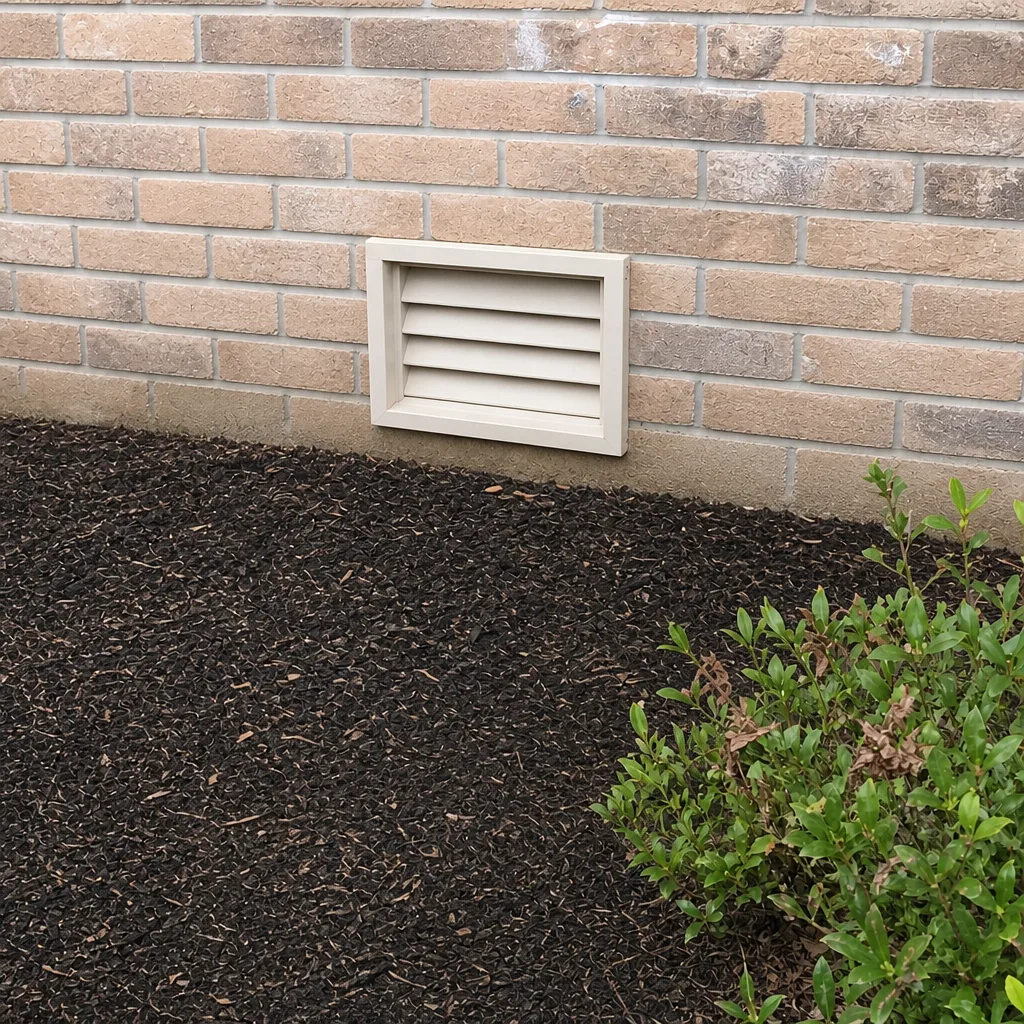
See the difference
 Before
 After
 Before
 After
 Before
 After
When to Call a Professional
Some symptoms point clearly to a duct system that needs a professional, not a filter change. If your filter clogs within a few weeks, that’s debris coming from the system behind it. If you notice a musty smell when the HVAC runs, or dust settles on surfaces faster than it should, those are signs worth having inspected. Visible debris at the registers or a dryer that takes unusually long to dry point to the same conclusion. Allergies that flare up indoors and a home that never feels fully clean can also trace back to contaminated ducts. If a duct run has come loose or you see gaps at the seams, that’s a repair question, not just a cleaning one.
When any of those show up in a Lakewood home, we’re the right call. Lakewood Air Duct Cleaning Pros offers free estimates in Lakewood – call (877) 492-2029. We answer 24/7. Fast dispatch from 7am to 7pm, Sunday through Friday.
Frequently Asked Questions
Whole-home air duct cleaning in Lakewood typically runs $350 to $900, with most single-family homes falling between $450 and $700. That range covers a true whole-system clean with containment and negative pressure. Jobs that add sanitizing after confirmed microbial growth or duct repair and sealing push toward the upper end. The written estimate after inspection sets the final price. Call (877) 492-2029 for an exact quote – estimates are free.
Cheap quotes are often a different scope, not a better deal. A low price frequently excludes returns, the main trunk, or the blower, or means a quick pass with consumer-grade gear rather than professional containment and agitation. Compare what’s written into the scope, not the headline number, and ask for before-and-after photos. Call (877) 492-2029 and we’ll price your whole system against a written scope.
Ask for before-and-after photos of your own ducts, taken during the job, and ask for the scope of work in writing before work starts. A specialist using professional equipment is happy to document the process because the evidence is there. If a company won’t show you the difference, that’s the answer to whether they can prove it. Call (877) 492-2029 for a free estimate.
For most Lakewood homes, every three to five years is a reasonable general rhythm, with exceptions. Homes with pets, recent remodels, or recurring indoor allergy symptoms often benefit sooner. A home that has never had a whole-system clean may need one regardless of timing. The best guide is your own signals: rapid filter clogging, musty odor, visible debris. Call (877) 492-2029 and we’ll help you judge.
Sometimes yes, but not for the reason most people assume. Larger homes have more runs and registers, which means more time to agitate and clean each one, so labor increases. But if a company uses whole-system flat pricing, the cost is tied to scope and access, not a register-by-register markup. Mention your register count when you call so we can place your home in the right tier. Call (877) 492-2029 for a free estimate.
Cleaning removes the accumulated debris and contamination a closed duct system stores, and that’s the verifiable part. Whether it improves allergy symptoms depends on other factors too – filtration, humidity, the source of the dust. What we can say is that a clean system with sealed ducts and proper filtration gives the rest of the picture a chance to work. Call (877) 492-2029 and we’ll talk through your specific situation.
The Bottom Line
The number you see on a duct cleaning quote is really a scope summary in disguise. In Lakewood, a whole-system clean typically falls between $350 and $900, and what moves you up or down that range is register count, duct material, accessibility, contamination type, and which add-ons you actually need. A per-vent rate that looks low often isn’t, and a whole-system flat price with a written scope usually is. Ask for before-and-after photos, ask what’s included, and don’t let a technician sell you sanitizing without confirming a problem. That’s how you read a quote instead of paying for one.
At Lakewood Air Duct Cleaning Pros, our technicians have up to 8 years of experience with the same professional-grade equipment used in commercial remediation. We clean, sanitize, and repair the system as one job rather than handing off parts of it. Call (877) 492-2029 for a free estimate – we answer 24/7. Fast dispatch from 7am to 7pm, Sunday through Friday.
Written by the team at Lakewood Air Duct Cleaning Pros.