
Last updated November 23, 2026
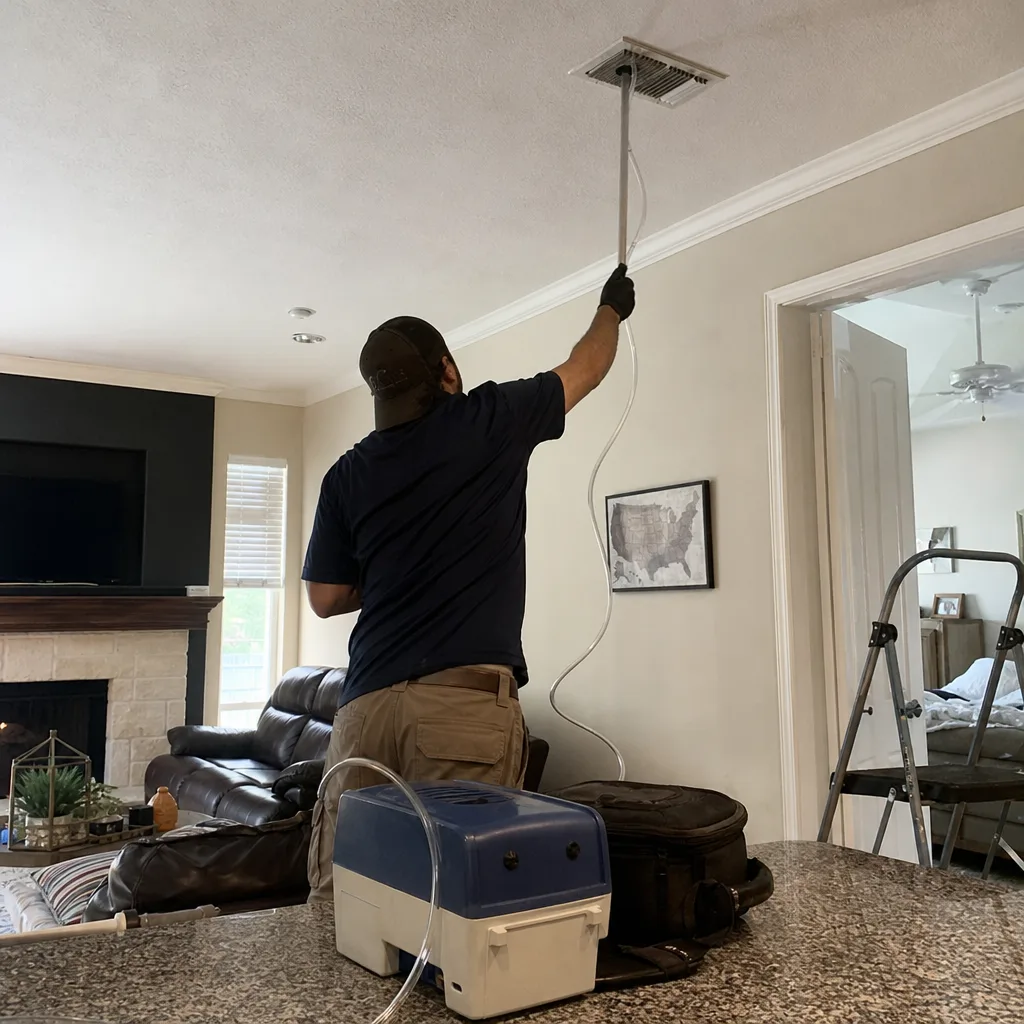
 Whole-home duct cleaning
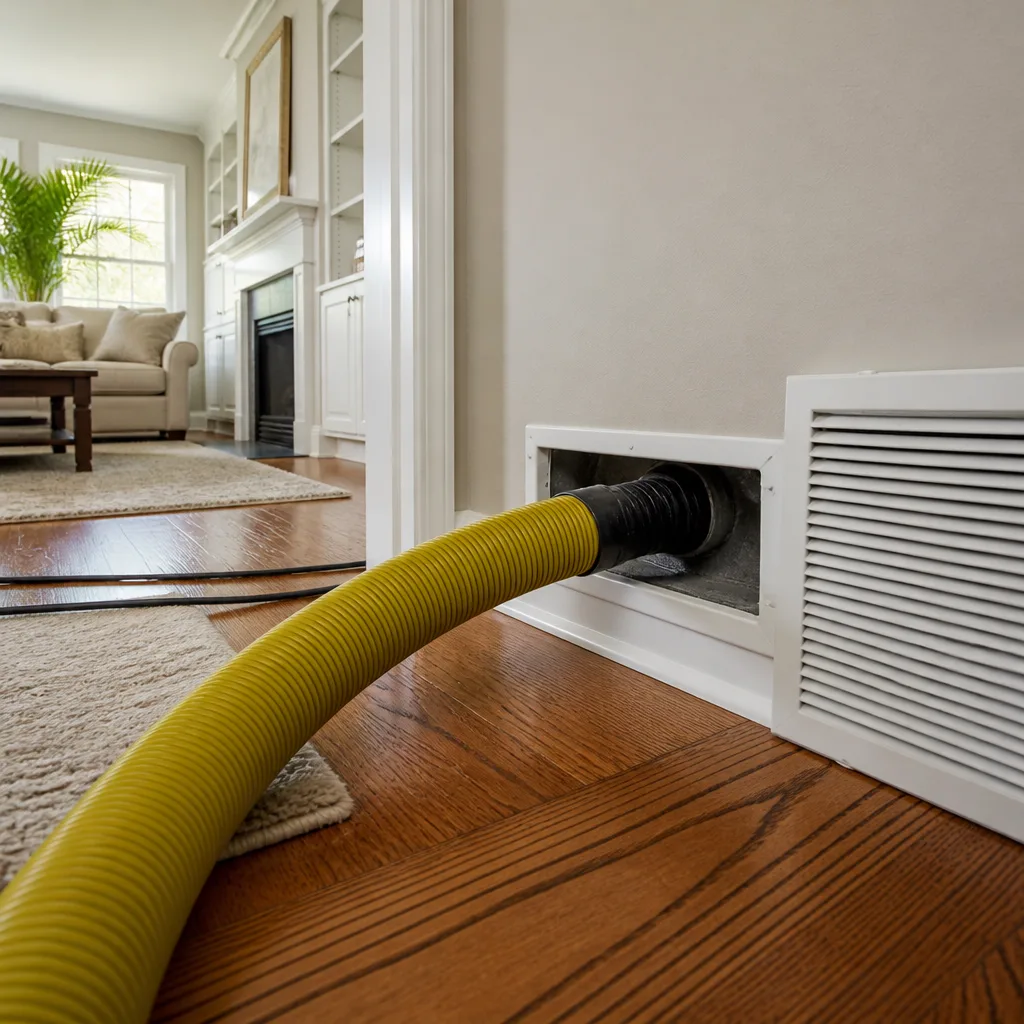
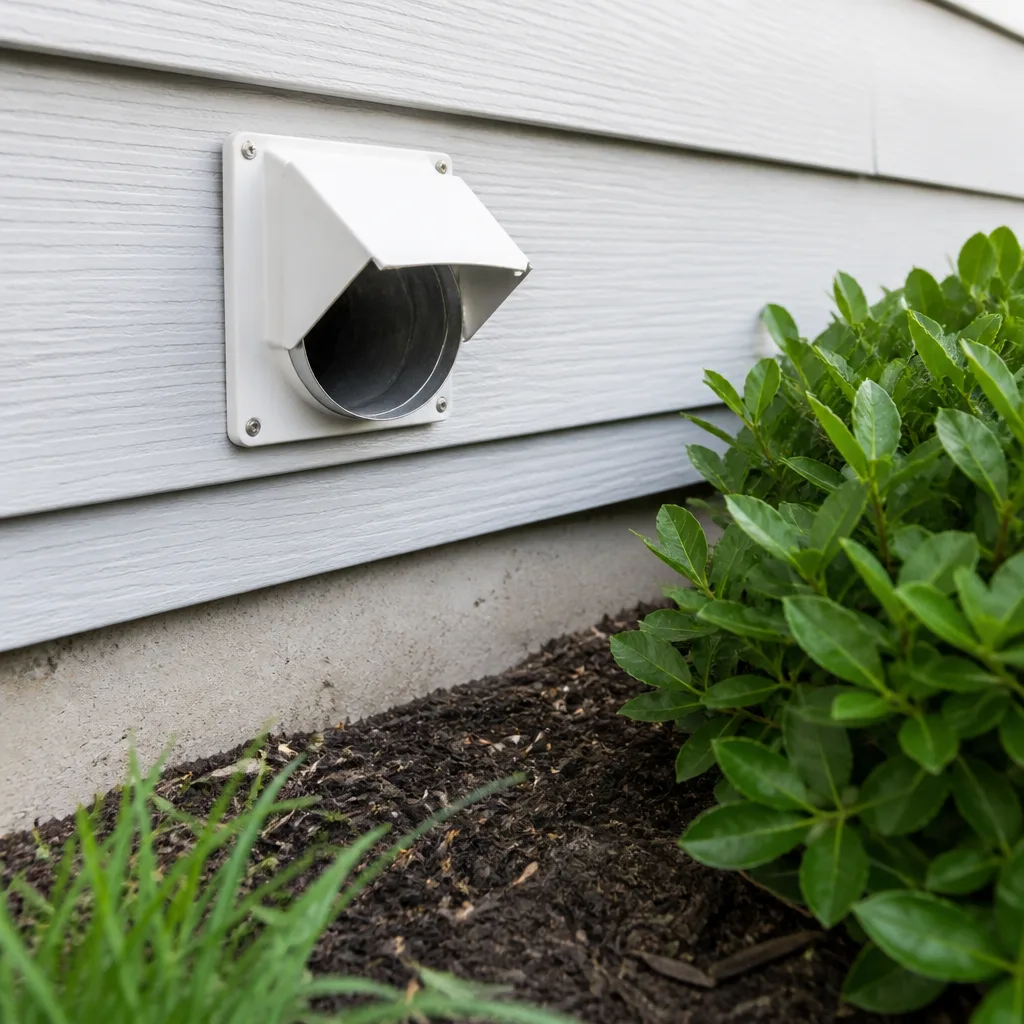 Dryer vent cleaning
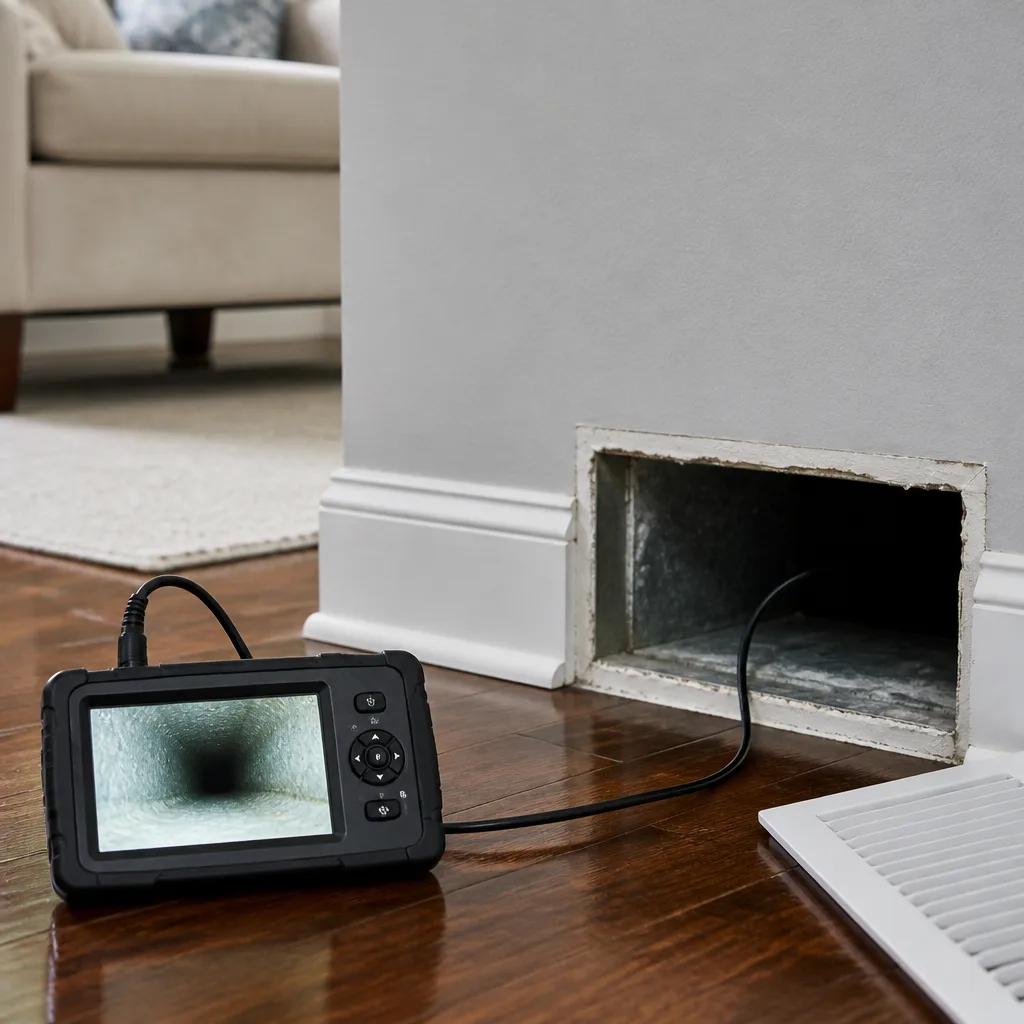 Camera inspection
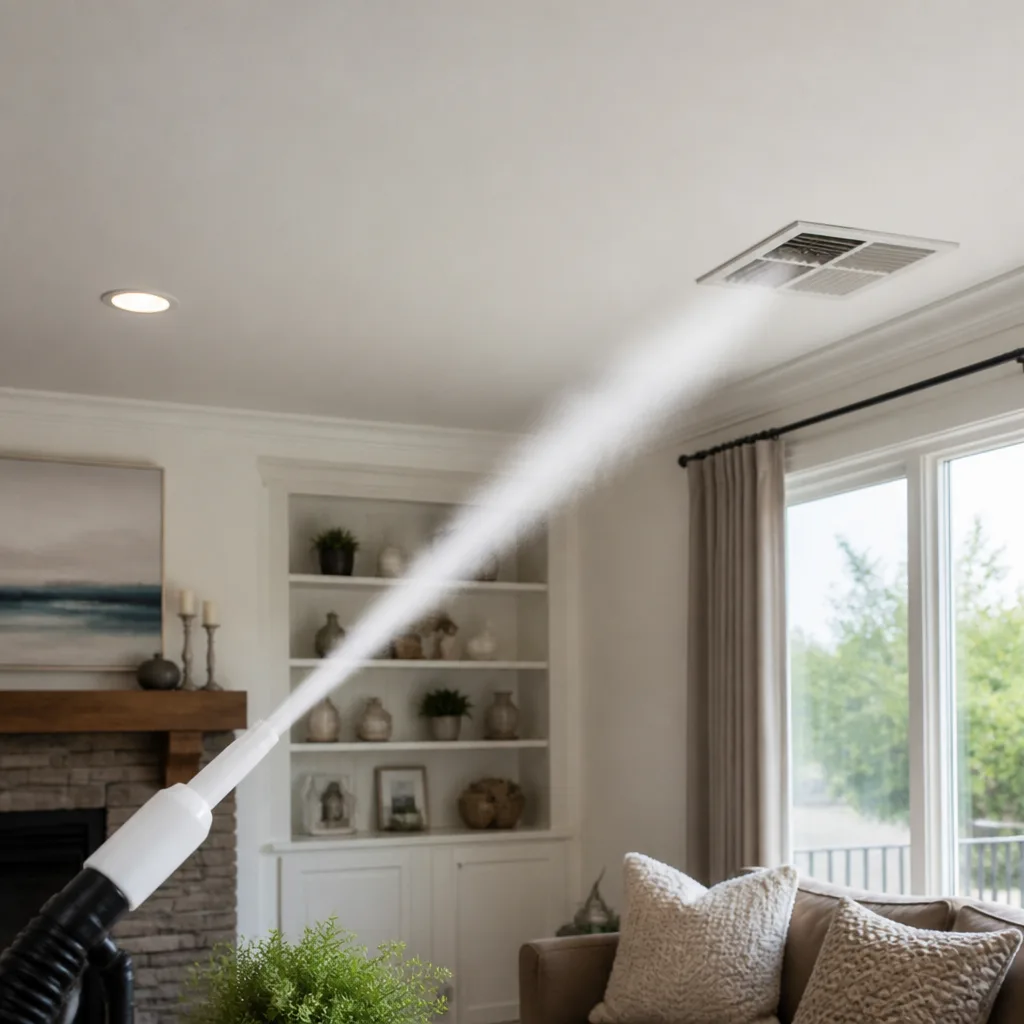 Sanitizing & deodorizing
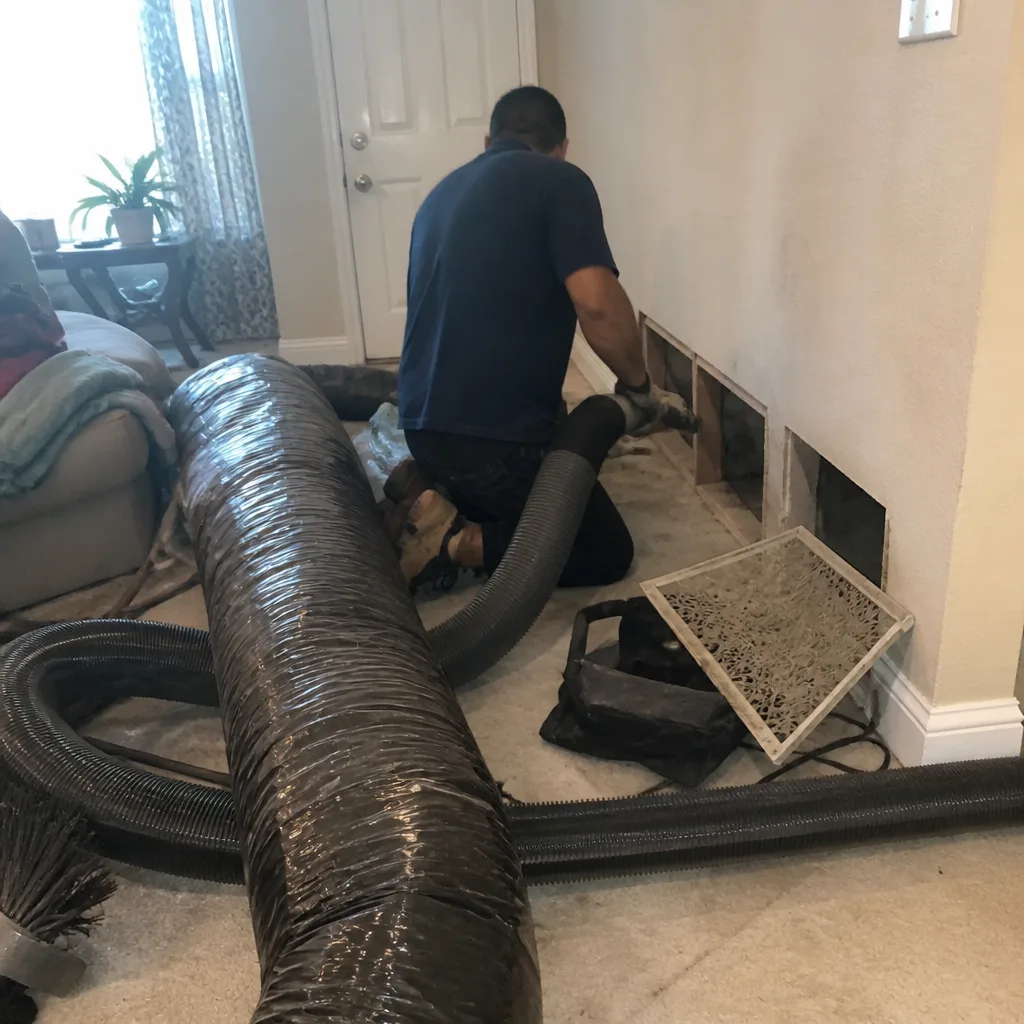
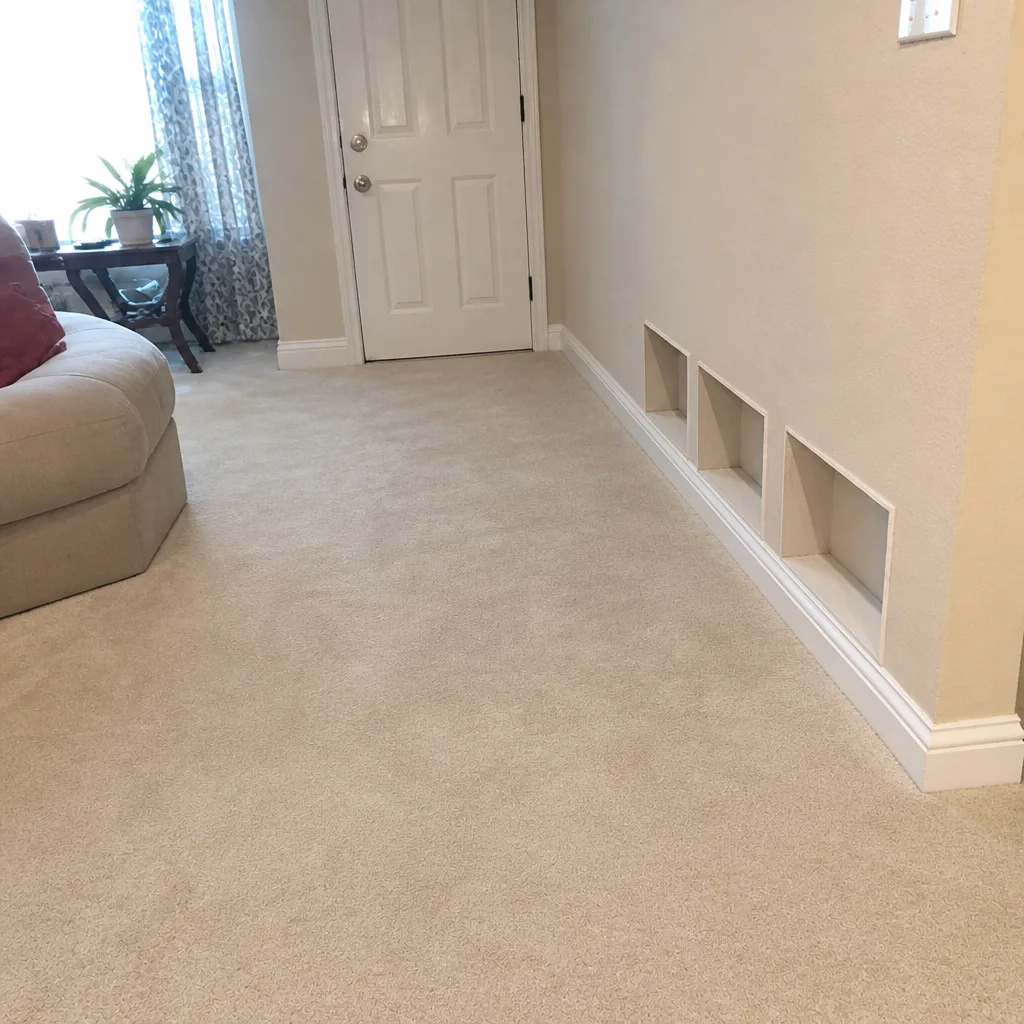
Whole-system duct and dryer vent check with before-and-after photos - you see exactly what came out of your vents
That "$99 whole-house special" is a bait ad - the real number appears once they are in your hallway, or the "clean" is a shop-vac at the register. We photograph the inside of your ducts before and after instead.
DIY vs Professional Air Duct Cleaning: The Lakewood Homeowner’s Decision Guide
Most guides to this question argue about money. We think that’s the wrong argument. The real question isn’t what a shop vac costs versus a professional crew, it’s what each one can physically reach and capture inside a duct system. A dryer brush and a shop vac can wipe the first 18 inches behind a register. The other 40 feet of trunk line, the plenum above the furnace, and the branch runs buried behind drywall stay exactly as they were, and that’s where years of accumulated dust, dander, and construction debris settle. This guide explains the physics behind that gap, what DIY genuinely handles well, when you should absolutely do it yourself first, and how to decide for your particular Lakewood home based on contamination type and system layout rather than a blanket rule.
Styles & brands we work with
- Whole-home duct cleaning
- Dryer vent cleaning
- Camera inspection
- Sanitizing & deodorizing
Quick Answer
DIY air duct cleaning in Lakewood is worth doing when the problem is surface-level: dirty registers, dusty return grilles, and routine dryer vent lint checks. Professional cleaning is the right call when contamination is inside the ductwork itself, when anyone in the home has allergy or respiratory symptoms tied to HVAC operation, when the system has sat through a renovation, or when the home is older and the ducts have never been inspected. The dividing line is negative pressure: source-removal requires airflow and containment that consumer equipment cannot produce.
Table of Contents
- The Physics Problem: Why Negative Pressure Decides the Answer
- What DIY Air Duct Cleaning Actually Accomplishes
- What Consumer Equipment Physically Cannot Do
- The Hidden Cost of an Incomplete DIY Job
- When a Lakewood Homeowner Should DIY First
- A Decision Matrix for Lakewood Homes
- Step by Step: What a Professional Air Duct Cleaning Involves
- Lakewood Housing, Mild Winters, and Why Dust Accumulates the Way It Does
- Common Mistakes to Avoid
- When to Call a Professional
- Frequently Asked Questions
- The Bottom Line
The Physics Problem: Why Negative Pressure Decides the Answer
Air duct cleaning is a source-removal job, not a wiping job. The goal is to lift settled debris off interior duct surfaces and pull it into a sealed collection system before it ever becomes airborne in your living space. That requires sustained negative pressure inside the duct system while agitation tools work the surfaces free. In practical terms, this means the cleaning equipment has to move more air out of the ducts than the agitation tools can throw into the room, or the debris simply drifts back out through the registers.
The measure that matters here is cubic feet per minute, or CFM. Professional duct cleaning platforms like Rotobrush and Nikro move air volumes designed specifically for this job, and remediation-grade containment equipment from Abatement Technologies creates negative-air conditions so loosened material can’t escape into the home. A shop vac rated for garage cleanup moves a small fraction of that volume, and it has no way to seal the duct opening it’s working through. You can picture the difference: the professional setup is a closed loop with the collection unit pulling against a sealed register; the DIY setup is an open vacuum hose pushed into an open hole, with most of the loosened dust finding its way into the room instead of the canister.
That gap isn’t an equipment snobbery point. It’s the whole reason professional cleaning works at all. Our technicians have up to 8 years of experience with these platforms, and the first thing they’ll tell you is that airflow and containment matter more than brush pressure. Clean the surface without capturing what you loosen and you’ve done very little. Capture it and the change in indoor air is noticeable.
What DIY Air Duct Cleaning Actually Accomplishes
Plenty. We’re not going to tell you there’s no value in picking up a vacuum and getting after your registers. There is. DIY belongs in your routine maintenance rotation, it just has to be aimed at the right targets. Here’s what consumer tools genuinely handle well:
- Register face cleaning. The slotted grille covers on floors and walls collect visible dust on a short cycle. Remove them, wash them in a sink or outside with a hose, dry them completely, and put them back. This alone improves the look and feel of the room.
- Return grille washing. Return grilles pull more air than supply registers and load up faster. A damp cloth and mild soap take care of the outside surface, and a soft brush gets into the louvers.
- Register boot access. With the grille off, a shop vac can reach into the visible boot and lift loose debris sitting just inside the opening. This gets you the first stretch, and it’s worth doing.
- Dryer vent lint checks. Detaching the dryer vent from the back of the dryer and clearing the immediate lint trap area is routine, safe, and worth doing regularly. Anything past that short accessible section belongs to dryer vent cleaning, because lint packed deep in a vent run is a fire concern that a flexible brush on a drill won’t reliably clear.
- Filter changes. The single highest-return air quality task in any home. A fresh filter at the right interval does more for the air than most people give it credit for.
In our experience, homeowners who keep up with these five tasks have a cleaner-feeling house day to day, and they also make professional cleaning easier when it does happen because the surface load is lower. DIY is a maintenance layer, not a substitute for source-removal inside the system.
What Consumer Equipment Physically Cannot Do
Here’s where the trade-off becomes clear. A dryer brush on a flexible rod will travel down a duct, and a shop vac will pull at the opening. Neither one does source-removal, because neither one can create negative pressure across the whole system while agitation happens. Walk through the specific limits:
- No system-wide negative pressure. Professional cleaning seals one register at a time and pulls the entire duct network into vacuum while a rotary brush or air whip works each run. Consumer vacuums have no way to seal openings or create that envelope.
- No true agitation of duct walls. Dust bonds to galvanized steel over time, especially in a humid pocket like a plenum. Rotary brushes spin against the wall with controlled speed and contact. A drill brush on a dryer rod wobbles, skips, and often can’t reach past the first bend in a branch run.
- No containment for remediation-grade debris. Older Lakewood homes with original ductwork can hold construction dust, drywall residue from past renovations, and material from previous owners. Loosening that debris without a HEPA-filtered containment setup puts it into the room air. Abatement Technologies equipment exists for exactly this reason, and it’s the same gear professional mold remediation contractors use.
- No inspection of the interior. Professional cleaning includes camera or visual inspection inside the ductwork before and after. DIY has no way to see what’s happening past the first bend.
- No repair capability when the duct is compromised. Cleaning a leaky duct system and leaving the leaks in place is only half the job. Sealing and repair belong in the same visit, which is why we handle duct repair and sealing in-house rather than handing it off to someone else.
The Hidden Cost of an Incomplete DIY Job
The most common mistake in DIY duct cleaning isn’t failing to remove debris. It’s loosening debris without capturing it. A homeowner pushes a brush down a duct and dust clouds back into the room through the register. The house suddenly smells dusty, a family member sneezes for a few days, and the reaction is often “air duct cleaning made things worse.” It didn’t. Incomplete cleaning made things worse.
That’s the hidden cost. You’ve moved settled material from the duct floor into the breathing zone of your home, and it resettles on surfaces, in upholstery, and back into the system. Someone with asthma or seasonal allergies feels the difference within a day. So does anyone who notices a light film on furniture after running the HVAC. The fix isn’t to stop cleaning. It’s to clean with appropriate capture. That’s the entire reason the industry developed negative-air containment equipment, and it’s why a genuine professional job costs what it costs.
There’s a second hidden cost that rarely gets mentioned: time and frustration. A homeowner with a flexible rod and a shop vac is looking at three to five hours of awkward work in tight spaces, with limited result, and a fair chance of dislodging a register boot seal or kinking a flexible duct in the process. That kink restricts airflow to that room permanently until someone fixes it. We see this in Lakewood homes often enough that it’s worth naming.
When a Lakewood Homeowner Should DIY First
Before you call anyone, do these things yourself. In plenty of cases, a DIY pass answers the question for you, because the problem was never inside the ducts to begin with.
- Pre-inspection maintenance. Pop off two or three registers and look inside with a flashlight. If the interior duct wall is visibly clean and the dust you’re seeing is only on the grille face, you don’t have a duct problem yet. Change the filter, wash the grilles, and re-check in a few months.
- Post-renovation register cleaning. If you just finished drywall work or a kitchen remodel, the room’s registers will load up with construction dust fast. Clean the grilles and vacuum the visible boots before turning the system back on, but understand that fine drywall dust often makes it past the register and into the trunk line. See how it performs for a week or two first.
- Dryer vent checks. Pull the dryer out, disconnect the vent, and clear the immediate short run behind the machine. If the run past that looks packed, book dryer vent cleaning. Lint fires are real, and the deep run is where the risk lives.
- Seasonal filter routine. Mark your calendar and change filters on an interval that matches your household. Pets, allergies, and open-window seasons change the answer. That single habit prevents most of the buildup that leads to a cleaning call.
If you go through this list, the interior looks clean, and your air still feels off, that’s the signal to bring someone in. Our technicians will tell you honestly when a job doesn’t need doing yet. That’s a conversation, not an upsell.
A Decision Matrix for Lakewood Homes
No single rule covers every house. The right answer for your Lakewood home depends on three things: what kind of contamination you’re dealing with, how old the home is, and how the system is configured. Here’s how we’d sort it.
- Light surface dust, home under 10 years old, all-flex or short-branch system: DIY the registers and grilles, change filters on schedule, and monitor. Professional cleaning isn’t urgent.
- Visible dust plumes from registers after HVAC cycles, home 10 to 25 years old: Professional cleaning makes sense, because what’s coming out has been sitting inside the system long enough to accumulate substantially.
- Home over 25 years with original sheet-metal ductwork and no documented cleaning: Professional cleaning plus interior inspection, and budget for air duct cleaning and duct sealing in the same visit if the inspection finds leaks.
- Recent renovation or major remodel: Professional cleaning once the renovation dust has settled. DIY handles the registers; the trunk line needs real capture.
- Allergy or respiratory symptoms that correlate with HVAC operation: Professional cleaning and a conversation about filtration upgrades. A higher-MERV filter and an in-line air cleaner change the picture more than most homeowners expect.
- Musty odor when the system kicks on: Professional clean plus sanitizing. Odor is a microbial indicator, and surface wiping won’t touch it.
- Dryer taking longer to dry clothes than it used to: Professional dryer vent cleaning. Not a DIY scenario for the deep run.
- Occasional dust on register faces only: DIY. This is maintenance, not a cleaning call.
Two things to notice about this list. First, it’s not “always hire a pro.” Second, it isn’t “always DIY first” either. The matrix sorts by what’s most likely to be sitting inside your ductwork based on the home’s age and history, which is the only thing that matters for the decision.
Step by Step: What a Professional Air Duct Cleaning Involves
If you’ve never seen a professional job, the process is worth understanding before you hire anyone, so you can tell the difference between a thorough job and a fast one. Here’s how a proper cleaning call should run.
- Inspection and system walk-through. The technician maps your duct system, checks the furnace and air handler, and looks for obvious damage or leak points. This is where a professional job starts to diverge from a coupon-service visit.
- Containment setup. A collection unit is connected to the main trunk line, and negative pressure is established. Registers are sealed one at a time as the technician works through them. This is the Abatement Technologies and Nikro gear we rely on, and it’s what makes capture possible.
- Source-removal agitation. Rotary brushes and air whips travel each branch run, lifting surface contamination back to the collection unit. All runs, supply and return, including the plenum above the air handler.
- Furnace and coil cleaning. The blower, coil, and cabinet are cleaned as part of HVAC cleaning. The ducts and the air handler are one system, and cleaning half of it leaves the other half to recontaminate what you just cleaned.
- Sanitizing. Post-cleaning, Guardsman-grade treatments are applied to address microbial growth and lingering odor at the source. This is a distinct step, not a spray-and-go afterthought.
- Inspection and repair. A second interior inspection catches anything missed, and any loose joints, disconnected flex runs, or breached boots are sealed on the spot. Duct repair and sealing happen in-house so a leak doesn’t undermine the cleaning.
- Air quality check. Where the homeowner wants to go further, we can talk through Honeywell and Aprilaire options for whole-home filtration, humidification, or ventilation. Clean ducts are the foundation; the filtration decision sits on top of that.
That’s the full scope. It’s not a one-hour blow-and-go because source-removal, capture, sanitizing, and repair each take real time. A cheap quote on a job that skips any of these steps isn’t a bargain, it’s a partial job that leaves you to do it again.
Lakewood Housing, Mild Winters, and Why Dust Accumulates the Way It Does
Lakewood’s climate shapes how duct contamination builds in ways that generic national guides miss. Mild winters mean the HVAC system often runs in short, frequent cycles rather than long, sustained heating or cooling seasons. That cycle pattern matters because each startup and shutdown lifts a small amount of settled dust off the duct walls and pushes it through the system. Short cycling means more start-stop events per month, which means more opportunities for dust to redistribute, and less sustained airflow to carry it to the filter where it belongs.
You’ll see the pattern in how Lakewood homes develop dust. A house that feels fine in one season starts showing a fine film on furniture after the HVAC runs in another. Registers load up faster than the homeowner expects based on the (low) square footage of the house. That’s not the home being dirty. That’s the system distributing what’s already inside it.
Housing stock matters too. Lakewood has a mix of older homes with original or partially upgraded ductwork and newer construction with flex-heavy branch runs. Older sheet metal collects dust on the interior walls and benefits from agitation-based cleaning. Flex runs can sag, kink, or tear at joints, and a kinked run restricts airflow to that room in a way that cleaning alone doesn’t fix; it needs repair. Knowing which you have changes the conversation. We look at the configuration before quoting for exactly this reason.
Where Lakewood homes tend to catch a break is that mild winters reduce the long stretches of closed-window heating that drive dust accumulation in colder climates. Windows open more months out of the year, which means more natural air exchange and lower load on the duct system. That’s a real factor, and it’s one of several reasons a Lakewood homeowner might correctly delay professional cleaning compared to a homeowner in a colder market.
If your home does have excess dust and you’ve covered the surface-level maintenance, our team is happy to give a straight answer about whether professional air duct cleaning is the right call for your system right now. Estimates are free, and so is the honesty.
Common Mistakes to Avoid
- Pushing a dryer brush into a duct without capture. This is the single most common DIY mistake. You’ll loosen debris that then clouds back into the room through the registers, and the air quality drops. Either capture properly or don’t disturb it.
- Skipping the furnace in a duct cleaning. The blower and coil sit inside the same air path as the ducts. Cleaning the ducts and leaving the air handler loaded leaves the entire system to recontaminate itself within weeks. Both halves need cleaning in the same visit.
- Assuming a cheap quote means the same job. Quotes for “duct cleaning” range from source-removal with containment to a shop vac pulled through the registers. Ask what equipment they use and whether they include the furnace and sanitizing. Cheap quotes typically skip the containment and the air handler.
- Kinking a flex run while pulling a brush through it. Flexible duct has a limit to how sharply it can bend, and a kink that goes unnoticed restricts airflow to that room until someone fixes it. This is common in DIY along branch runs behind drywall.
- Cleaning right after a renovation without waiting for dust to settle. Drywall dust stays suspended for days. Clean the registers, run the system with a low-MERV filter to trap fines, then schedule proper cleaning once the renovation is complete.
- Ignoring a musty smell as “just an old house.” Odor when the system kicks on is a microbial indicator, not a decor statement. Sanitizing is a distinct step for a reason, and surface wiping doesn’t touch it.
- Skipping the duct repair conversation. A leaky boot or disconnected flex run at 20 percent of the system puts conditioned air into a wall cavity and pulls unconditioned air in. Cleaning without sealing is only half the job, and we see it repeatedly in Lakewood homes where a contractor patched a remodel and moved on.
When to Call a Professional
Call a professional duct cleaning specialist when any of these is true: someone in the home has allergy or asthma symptoms that track with HVAC use, there’s a musty smell when the system starts, you see dust plumes from registers, the home has had a major renovation, the ductwork has never been inspected and the home is 15 years old or more, the dryer is taking longer to dry clothes, or you’ve done the DIY maintenance and the air still doesn’t feel clean. Lakewood Air Duct Cleaning Pros offers free estimates, uses professional-grade equipment from Rotobrush, Nikro, and Abatement Technologies rather than consumer tools, and handles cleaning, sanitizing, and duct repair as one team. Call (877) 492-2029. We answer 24/7. Fast dispatch from 7am to 7pm, Sunday through Friday.
Frequently Asked Questions
You can clean the accessible parts yourself: registers, grilles, visible boots, and the short run behind the dryer. You cannot perform source-removal on the trunk line and branch runs without professional negative-pressure equipment. The dividing line is capture capability, not effort. If your ducts haven’t been cleaned in years and show obvious contamination, DIY gets you part of the way and no further. Call (877) 492-2029 for an exact quote. Estimates are free.
Professional air duct cleaning in Lakewood is priced per system by written estimate, not per register, because the job depends on the configuration of your ducts, whether the furnace is included, and whether sanitizing and repair are part of the scope. Honest pricing for a full scope call is quoted up front, in writing, before any work begins. Watch for any company that quotes per vent or leads with a coupon figure and then revises upward on site. Call (877) 492-2029 for a written estimate. It’s free.
Cheaper quotes typically skip the containment setup, exclude the furnace and air handler, and leave sanitizing out of the scope. What remains is a quick pass with a shop-grade vacuum through the registers, which does very little for the trunk line and can loosen debris without capturing it. Compare quotes on scope and equipment, not on headline price. If a quote doesn’t mention the equipment, ask specifically. Then call (877) 492-2029 and we’ll show you what full scope includes.
Ask for before-and-after photos of your ducts and an interior inspection report from the same visit. A professional team will walk you through what was found, show you the interior condition of the ductwork, and note any repair items like loose joints or kinked flex runs. If a company can’t provide photos, that’s your answer. We hand over the evidence of what changed in your system. Call (877) 492-2029 to book an inspection and estimate.
Most Lakewood homes fall somewhere between every three and seven years depending on household factors: pets, allergies, nearby construction, recent renovations, and how the system is configured. Homes with strict filter maintenance and low dust load can stretch toward seven; homes with pets, allergy concerns, or recent remodels should lean toward three. A short inspection call tells you where you actually sit. Call (877) 492-2029 and we’ll give a straight answer.
Register and grille cleaning is not dangerous. What deserves caution is pushing tools deeper into the duct system, especially around the furnace plenum, gas-fired equipment, and any electrical junction inside or near the air handler. Dislodging construction debris, damaging a flex run, or disturbing a gas appliance connection is a real risk for a non-specialist. Have a trained technician work inside the system. Call (877) 492-2029 for a free estimate and we’ll handle the interior safely.
The Bottom Line
DIY air duct cleaning is a useful maintenance layer, not a substitute for professional source-removal. Clean the registers, wash the return grilles, check the dryer vent, and keep the filter fresh; those five habits do real work. But when the question is what’s inside the ducts and how to get it out, the answer is negative pressure and containment, and consumer equipment cannot produce either. Lakewood homes sit somewhere on this spectrum based on age, configuration, and history, and the decision matrix above tells you where yours lands. When you’re ready for a professional call, we’re here. Call (877) 492-2029 for a free estimate. We answer 24/7. Fast dispatch from 7am to 7pm, Sunday through Friday.
Written by the team at Lakewood Air Duct Cleaning Pros.
See the difference
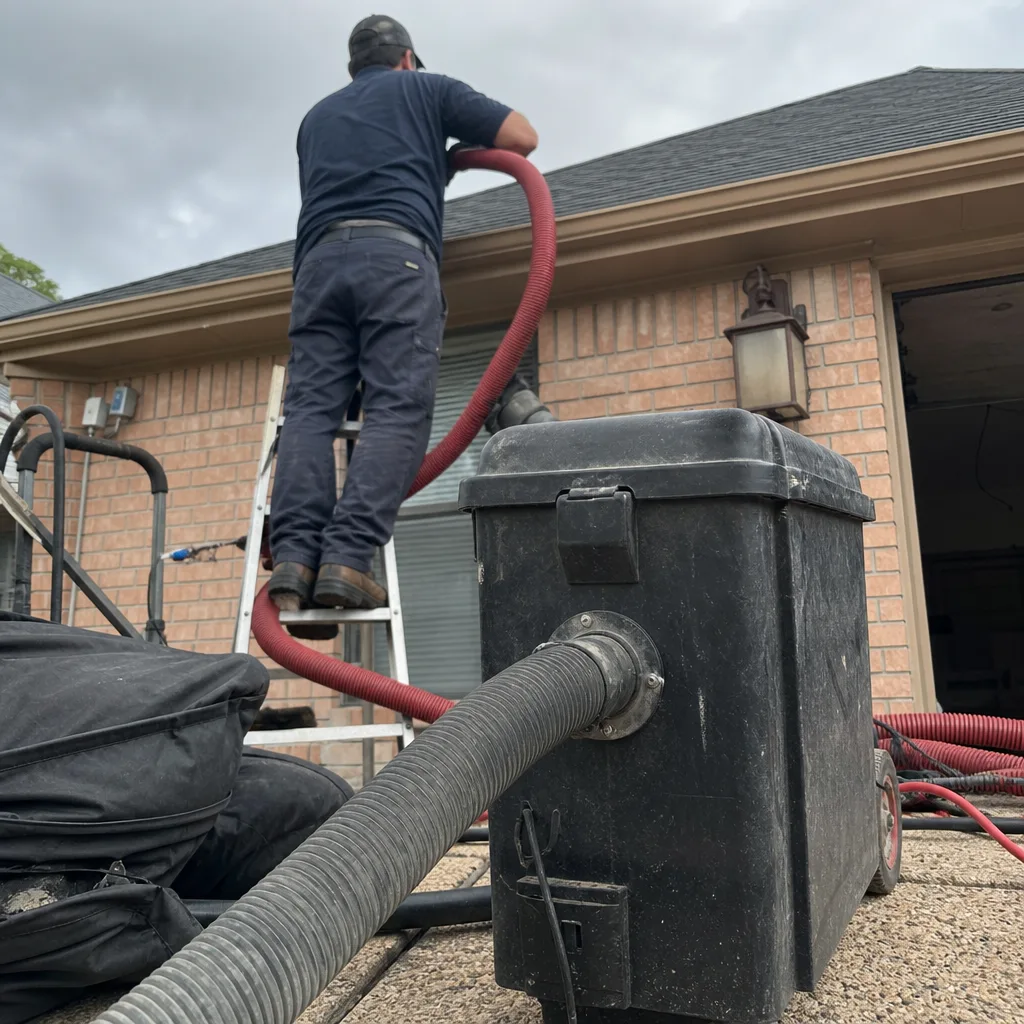 Before
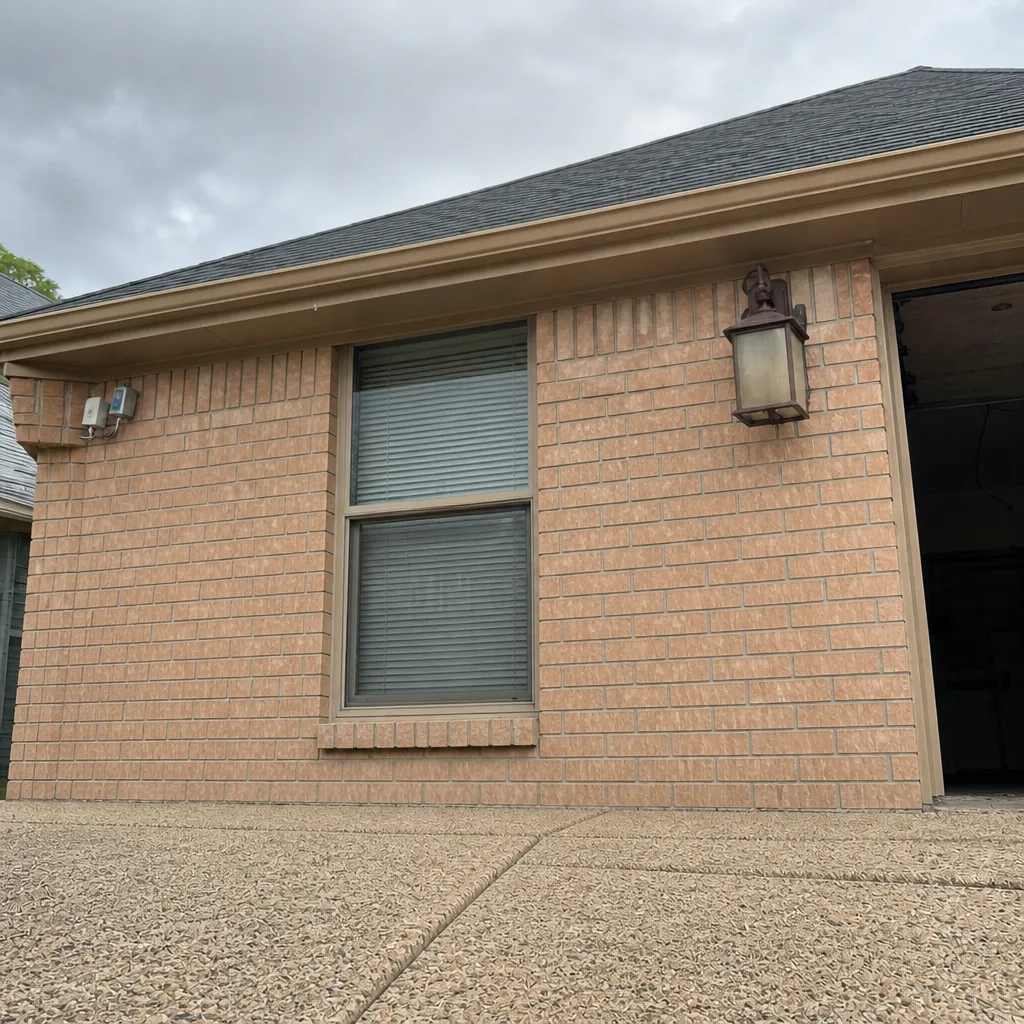 After
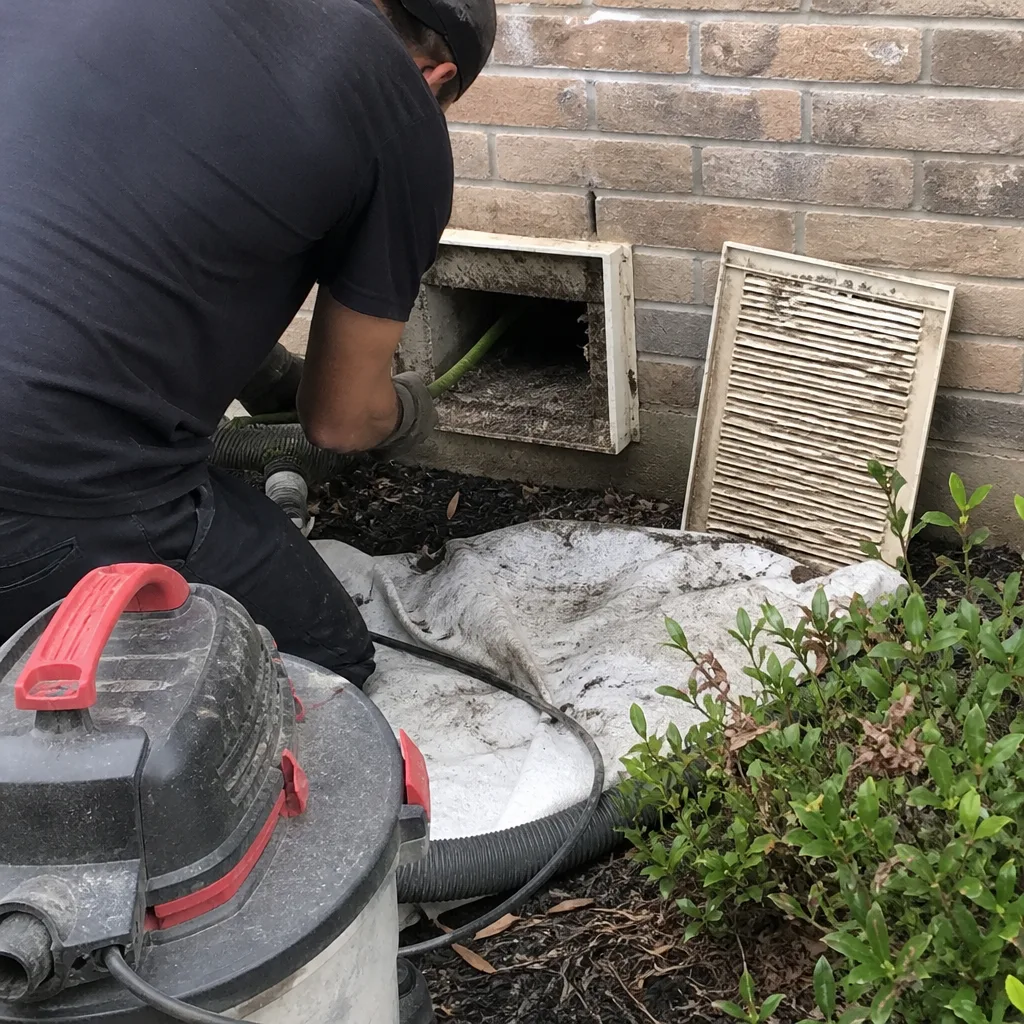 Before
 After
 Before
 After