
Last updated November 23, 2026
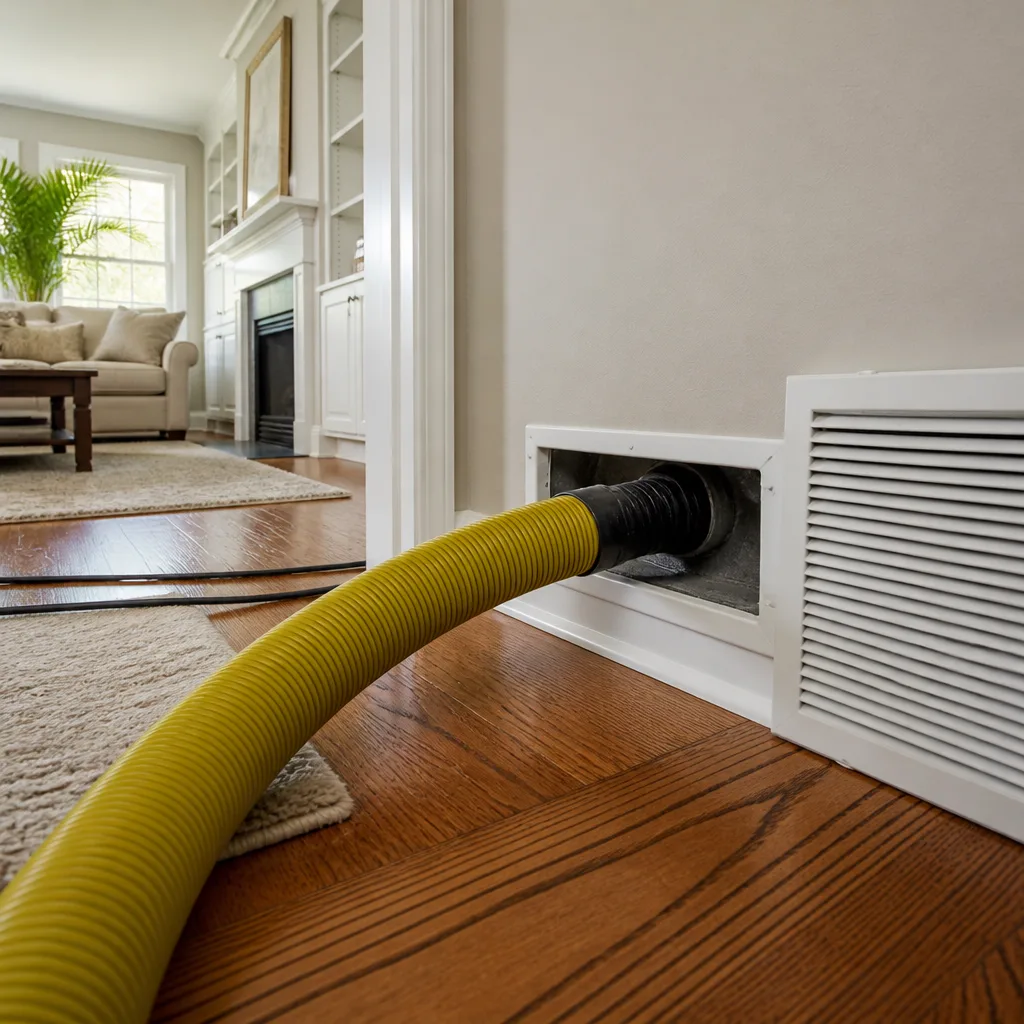 Whole-home duct cleaning
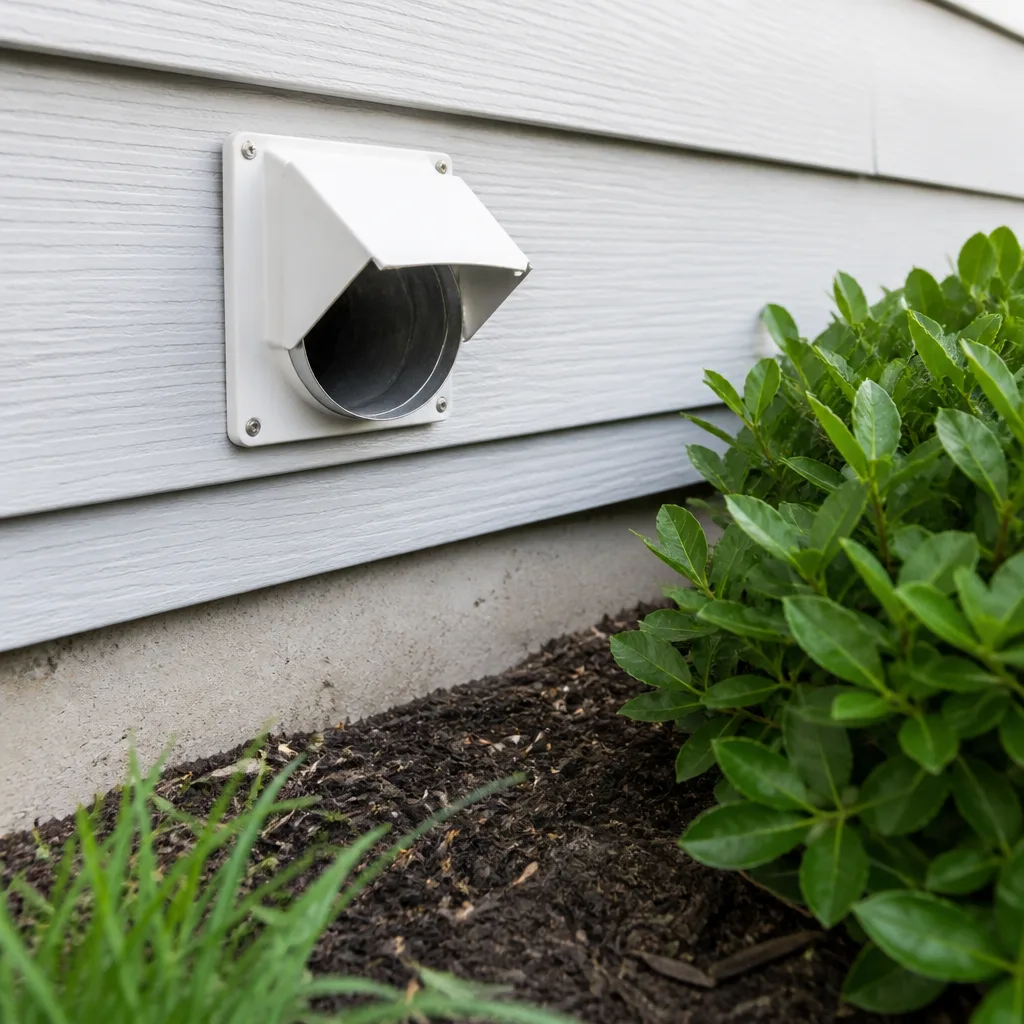 Dryer vent cleaning
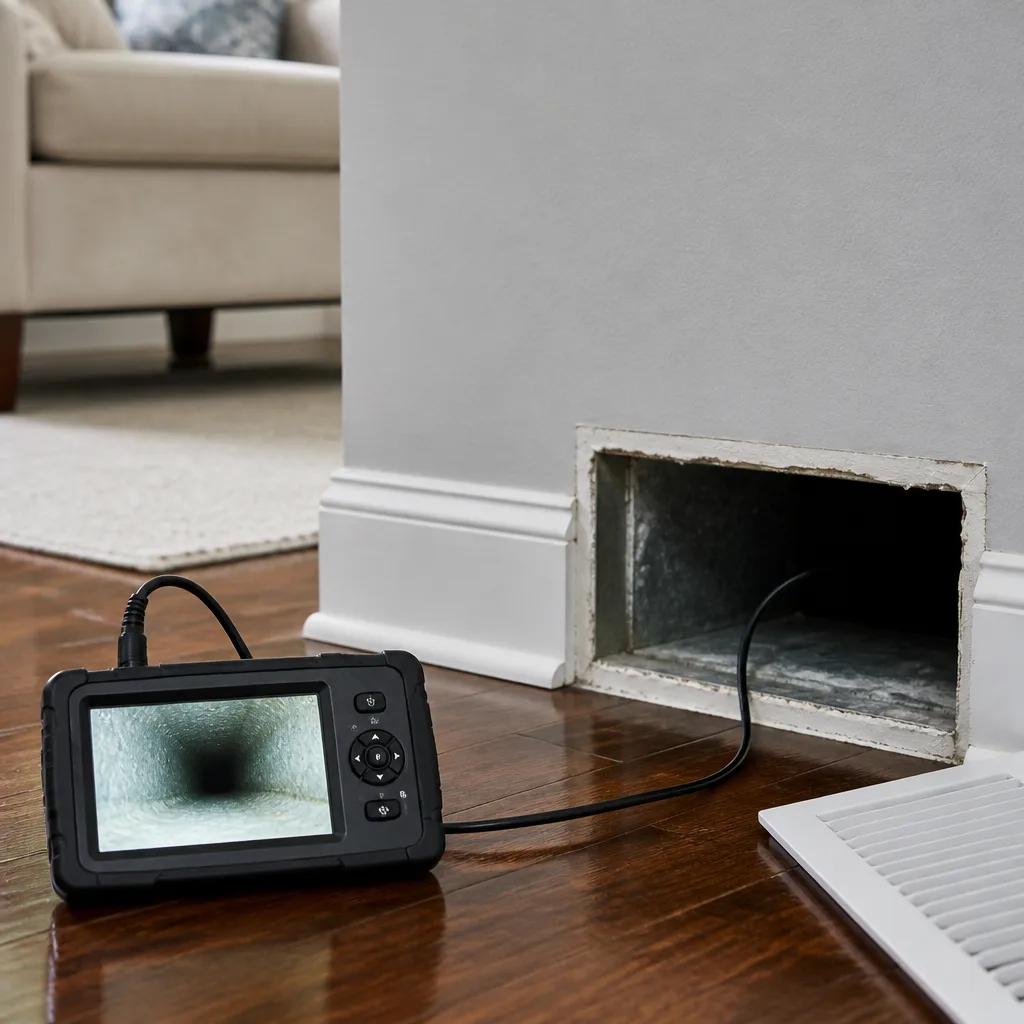 Camera inspection
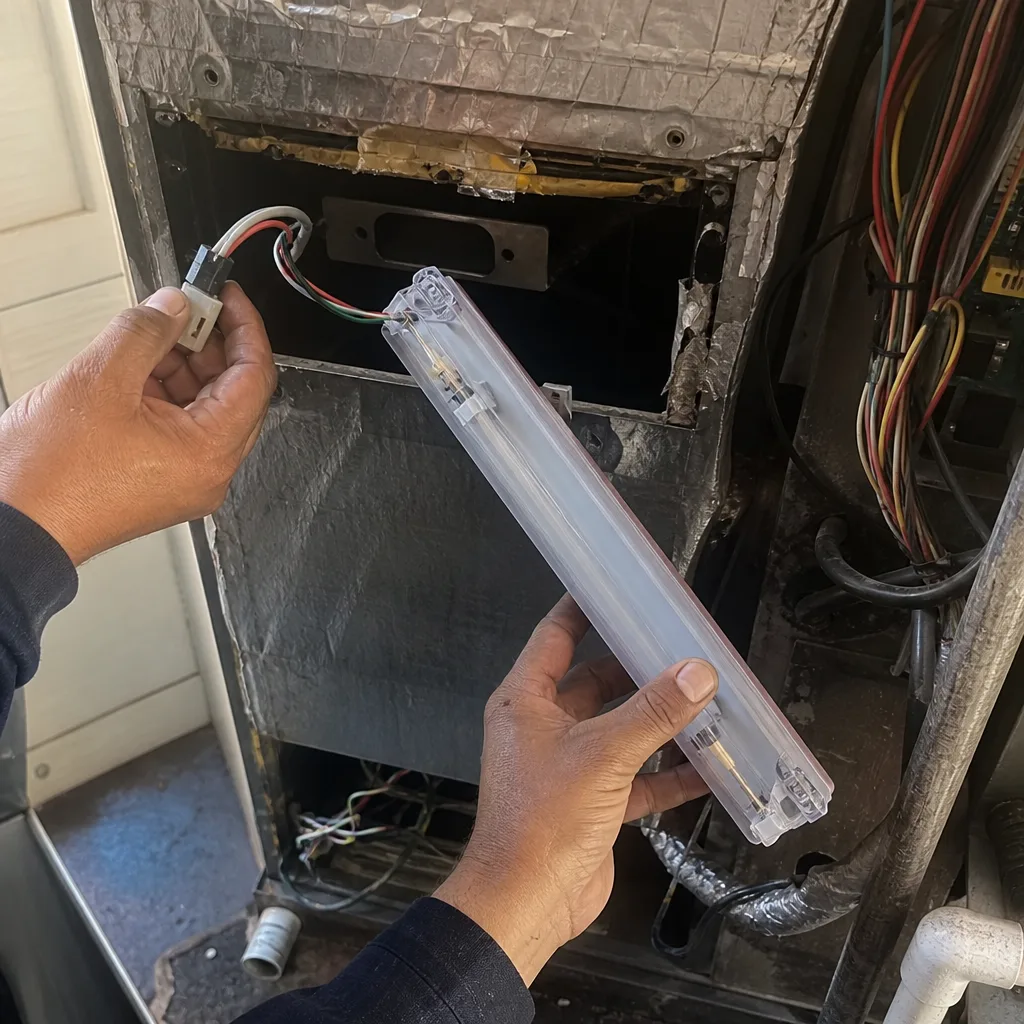
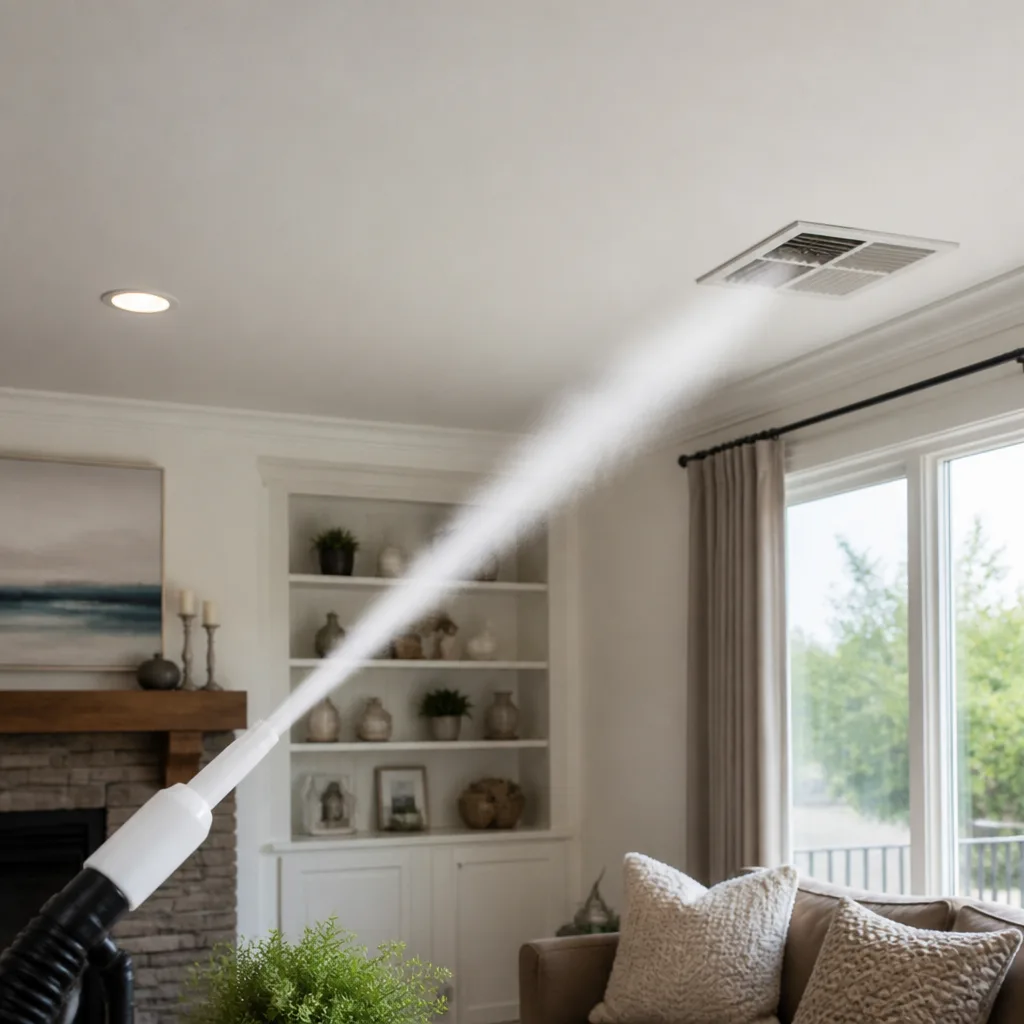 Sanitizing & deodorizing
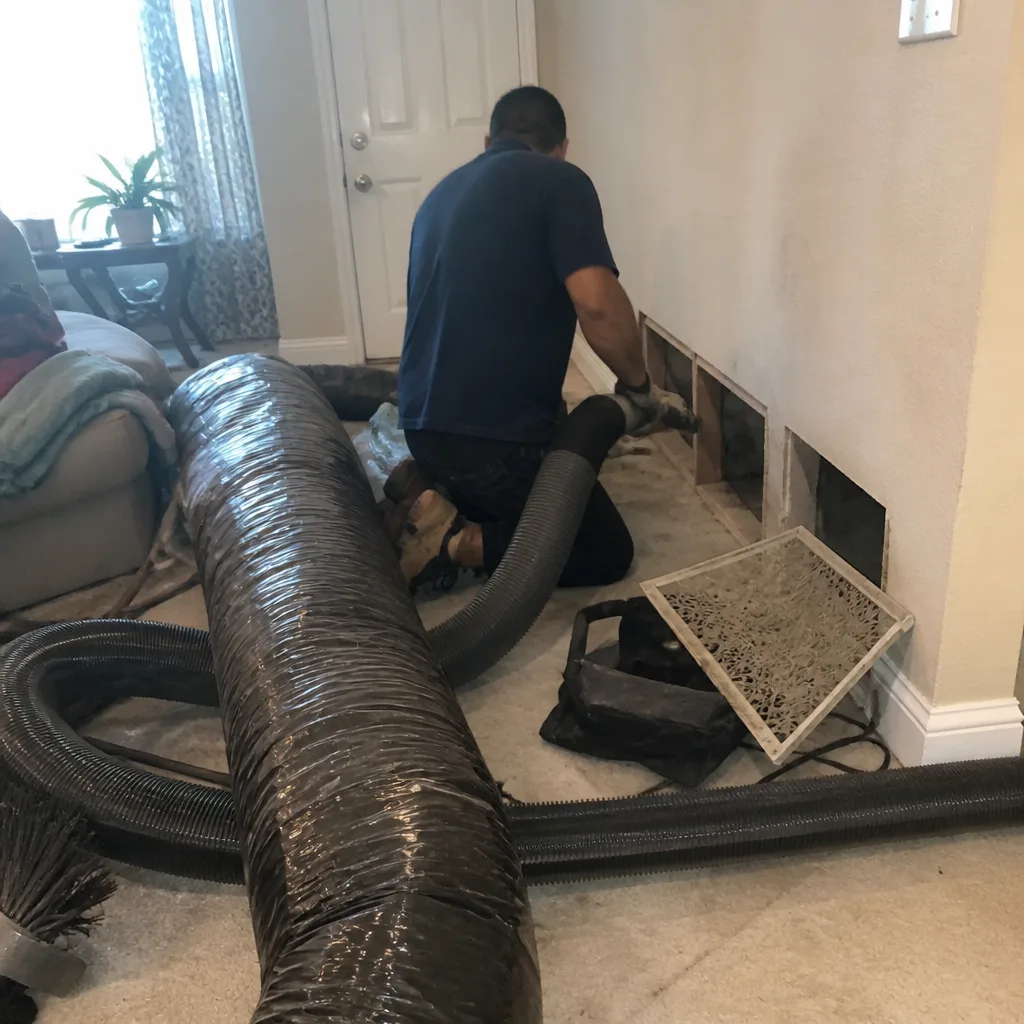
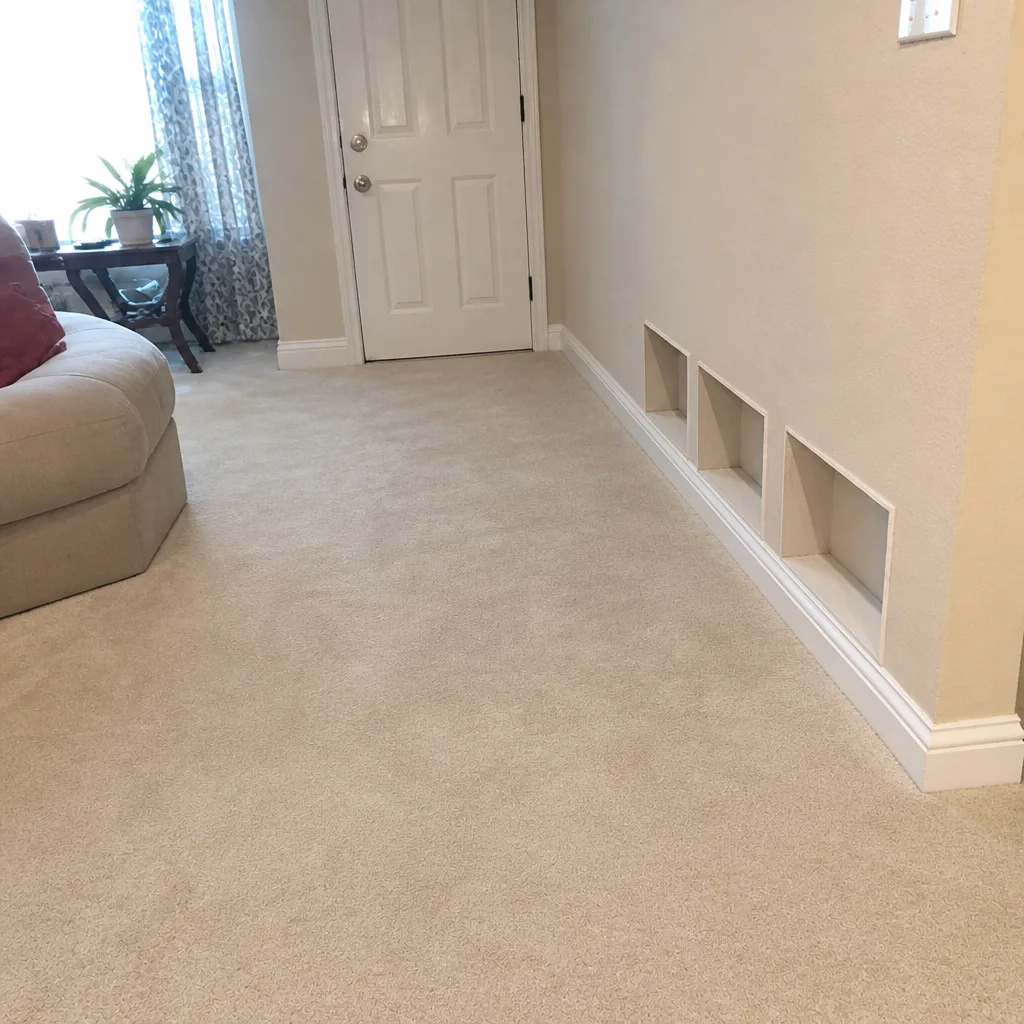
Whole-system duct and dryer vent check with before-and-after photos - you see exactly what came out of your vents
That "$99 whole-house special" is a bait ad - the real number appears once they are in your hallway, or the "clean" is a shop-vac at the register. We photograph the inside of your ducts before and after instead.
Air Duct Cleaning Warning Signs: A Lakewood Homeowner’s Reference Guide
Most guides to duct problems point at the obvious stuff: visible mold around a register, a musty smell in the hallway, dust settling on the furniture an hour after you wipe it down. By the time those signs show up, the contamination has usually been building for a while. The signals that matter most arrive earlier, and they hide in places homeowners don’t think to look: the airflow at a single register, the shape of your energy bill across a season, the way one room in the house never quite matches the thermostat. This reference walks through those quieter indicators, the ones that show up weeks or months before anything visible does, and explains what each one is telling you about the duct system in your Lakewood home.
Quick Answer
The most reliable early warning signs of a duct problem are uneven room temperatures of four to five degrees or more, a tissue at a register that flutters weakly or gets pulled toward the grille, energy bills that climb without a change in habits, and odors that change character depending on whether the system is running. Visible dust, mold, or heavy debris at the registers are late-stage signs, not early ones. If two or more of the performance signals show up at once, the ducts are worth a professional look.
Styles & brands we work with
- Whole-home duct cleaning
- Dryer vent cleaning
- Camera inspection
- Sanitizing & deodorizing
Table of Contents
- The Airflow Signals: Reading Your Registers Like a Diagnostic Tool
- Uneven Room Temperatures and What They Reveal
- Odor Diagnostics: Three Smells, Three Different Problems
- Energy Bill Patterns That Point to Duct Leakage
- Allergy and Asthma Patterns Versus General Air Quality Issues
- Visual Register Inspection: What Buildup Texture Tells You
- Common Mistakes to Avoid
- When to Call a Professional
The Airflow Signals: Reading Your Registers Like a Diagnostic Tool
Your supply registers are the cheapest diagnostic instrument in the house. A single square of toilet tissue held near the grille will tell you more about duct pressure than most homeowners realize. The test is simple and takes about ten minutes across the whole house.
- Turn the system on and let it run for five minutes so the blower reaches steady state.
- Hold a single ply of tissue about an inch from the face of the register, not pressed against it.
- Watch how the tissue behaves. A strong, steady flutter outward means healthy supply pressure. A weak flutter, a tissue that barely moves, or one that gets pulled toward the grille means the register is starved or the duct is fighting a blockage.
- Repeat at every supply register, then at every return grille. Returns should pull the tissue firmly toward the grille.
- Write down which registers behave differently from the rest.
What you’re looking for is inconsistency. If three bedrooms push hard and one pushes soft, that one register is telling you something. A single weak supply usually means a crushed or disconnected flex run, a damper stuck partially closed, or a branch that was never balanced properly during installation. A weak return is more serious, because it means the system is pulling air from somewhere it shouldn’t, often through gaps in the duct seams or from unconditioned attic space.
In Lakewood, where many homes run a single central system across a fairly spread-out floor plan, return-side imbalance shows up often. When a return is undersized or leaking, the blower pulls replacement air through every gap it can find, and that air carries whatever is in the attic, the wall cavities, or the garage. Homeowners notice the dust before they notice the pressure problem. Professional air duct cleaning paired with a pressure check finds the source; cleaning alone without checking the balance misses it.
One caution: if you have a variable-speed blower, it will ramp up to compensate for restricted airflow, which masks a weak register until the motor is working harder than it should. If your system sounds louder than it used to without any change in settings, that’s a pressure signal hiding in plain hearing.
Uneven Room Temperatures and What They Reveal
If one room in your house is consistently four to five degrees off the thermostat setting and the HVAC equipment is correctly sized, the problem is almost certainly in the duct system, not the equipment. This is the single most misdiagnosed issue in residential HVAC. Homeowners call for equipment service, the tech confirms the unit is running to spec, and everyone walks away with the same hot room and a bill for a service call that solved nothing.
Temperature variance maps to duct problems in a few predictable ways:
- A room that’s always hot in summer and cold in winter typically sits at the end of a long, undersized, or leaking supply run. The conditioned air is losing its temperature to the attic before it arrives.
- A room directly above the air handler that runs too cold often has an oversized supply and no balancing damper, so it gets more than its share of the airflow.
- A room that swings wildly between cycles usually has a supply leak nearby pulling in attic air, mixing it into the delivered air.
- A whole floor that runs warm can indicate a return-side problem, where the system can’t pull enough air back and the floor becomes pressurized, pushing conditioned air out through gaps.
Take an actual measurement before you call anyone. Buy an inexpensive infrared thermometer or use a digital thermometer left in each room for ten minutes with the door closed. Record the temperatures at the same time of day across a full cycle. If you see a spread of four degrees or more between the best and worst room, you have documentation worth bringing to a professional. In our experience across Lakewood homes, that pattern is the most reliable early sign of a duct leak or a badly balanced system, and it generally predates visible debris by months.
One thing to rule out first: a room with a large west-facing window or poor insulation will run warm on its own. Compare rooms of similar exposure and window area when you review the numbers.
Odor Diagnostics: Three Smells, Three Different Problems
Odors are the most ignored diagnostic signal in a home, partly because homeowners adapt to them within days. The nose stops registering what it’s learned to expect. But the character of an odor tells you a specific thing about the duct system, and the three common categories point to three completely different problems.
Burning Dust at Startup
A faint, dusty smell in the first minute or two after the heat comes on is normal. It’s dust settling on the heat exchanger during the off cycle and burning off when the system fires. If the smell clears in two or three minutes and doesn’t recur during the run cycle, nothing is wrong. If it persists through the entire heating cycle, or if the smell is sharp or acrid rather than dusty, stop and call a professional, because that can indicate a heat exchanger or electrical issue. Don’t run the system until it’s checked.
Musty, Organic, or Wet-Basement Smell
A musty smell that gets stronger when the air conditioning runs is the signature of moisture and biofilm inside the duct system. It’s most pronounced in the cooling season, when the evaporator coil and the duct surfaces downstream of it stay damp. In Lakewood’s humid summers, that damp condition persists for months. This is the smell that points to actual microbial growth, not just dust, and it’s the one that warrants a full sanitizing step after cleaning rather than cleaning alone.
Chemical or Plastic Smell
A chemical, plasticky, or vaguely solvent smell that shows up when the system runs is different from the other two. It usually points to insulation off-gassing, a new sealant or mastic curing, or fresh flex duct in a recent renovation. If the smell appeared shortly after any work on the home’s HVAC or a remodel in the attic or crawlspace, the timing is your clue. Persistent chemical odors that don’t fade within a few weeks of the work are worth investigating, because they can indicate off-gassing from material that was improperly installed.
Log your observations for one full week: which smell, when it appears, and whether it correlates with the system running or just with the temperature outside. That log is diagnostic gold for the technician who inspects the system.
Energy Bill Patterns That Point to Duct Leakage
Energy bills are the duct system’s diary, but only if you read them the right way. A single high bill tells you nothing. The pattern over a season tells you almost everything, and it separates an equipment problem from a duct problem.
Here’s how to read the data. Pull your bills for the same months in the two most recent years, then compare the usage in kilowatt-hours or therms, not the dollar amount. Rates change; usage doesn’t lie. Then look for these patterns:
- Usage climbing steadily across the cooling season, with the biggest jump in the hottest months and a matching pattern in the heating season, suggests leakage in the attic. The system runs longer to compensate for air it’s losing before it reaches the rooms.
- A sudden step up in usage that stays elevated through multiple cycles, with no equipment change, points to a duct that has come apart, a seal that failed, or a flexible run that collapsed. This is usually a single event that turned into a permanent bill increase.
- Usage that’s flat but the house never feels comfortable is the classic signature of duct leakage combined with an undersized return. The system is running a lot, paying for comfort it isn’t delivering.
- Usage that peaks then drops hard at the end of the season is more often equipment behavior than duct leakage, so don’t blame the ducts without checking the airflow first.
Duct leakage can waste a substantial share of the conditioned air the system produces, and in a Lakewood attic, that air is often lost to one of the hottest spaces in the house. A system that pulls its return from a leaky duct in the attic is pulling in air heated well above the outdoor temperature, which means the equipment works harder for less result. The fix isn’t a bigger unit; it’s finding and sealing the leaks. Professional HVAC cleaning paired with a leak audit tells you both what’s dirty and what’s leaking, which is a more useful bill pattern than either alone.
Allergy and Asthma Patterns Versus General Air Quality Issues
Not all air quality complaints are the same, and the specific pattern of symptoms helps narrow the cause. The key is timing and location. General air quality problems tend to be diffuse. Duct-related contamination produces symptoms that follow the system’s run cycles and cluster in specific rooms.
Here’s the diagnostic distinction:
- Duct-linked symptom pattern: symptoms that worsen within minutes of the system starting, are worse in the rooms closest to the supply registers, ease on days when the system runs less, and don’t improve in a room with the door closed and a HEPA filter running.
- General air quality pattern: symptoms that persist whether the HVAC is running or not, correlate with outdoor conditions like a high pollen count or neighbor’s lawn mowing, and respond to a room air purifier.
- Equipment/HVAC-linked pattern: symptoms that appear only during the heating season and clear in the cooling season, or vice versa, may point to combustion or a heat exchanger issue and need a technician’s inspection rather than a duct cleaning.
- Structural pattern: symptoms in one room only, especially a bedroom or a bathroom, often point to a localized moisture problem, not the ducts, and the fix is at the source.
Log your experience for two weeks before you call anyone: which rooms make the symptoms worse, whether the system running coincides with the symptoms, and whether anything improves the condition. That record helps a professional determine whether the issue is in the ducts, the equipment, or the building itself. In our experience across Lakewood homes, the most common pattern we see is what we’d call the bedroom pattern: symptoms that flare in a single bedroom with the supply register on the wall, ease when the family is out of the room, and disappear entirely in the living room. That’s a supply-side contamination signal, and it’s worth a targeted inspection rather than a whole-house assumption.
Genuine diagnostic work on duct-related symptoms should not be done by guess. A trained technician can confirm what’s in the interior of the duct system rather than inferring it from a foggy symptom picture.
Visual Register Inspection: What Buildup Texture Tells You
You don’t need to disassemble a duct to learn something from what’s on the register face and the grille slats. The texture, color, and fiber content of buildup point to specific inputs, and each tells you where the contamination is coming from. This is a two-minute inspection per register, done with a flashlight and a lint-free cloth.
- Remove the grille carefully and set it aside.
- Shine the flashlight into the duct just past the register opening, at an angle.
- Wipe the inside edge of the duct collar with a white cloth, then examine the cloth.
- Look at the visible duct surface just interior to the register: dark, evenly coated dust is accumulation; light gray powdery dust is construction residue; a patchy, circular pattern is usually a leak point.
- Sniff the open register gently. Note the smell against the log you’ve already kept.
- Replace the grille securely and note your findings register by register.
What the buildup tells you:
- Dark gray-brown, evenly distributed, slightly greasy to the touch is the accumulation of fine household dust and skin cells. Standard in any home, but if it’s a thick coat, the system is overdue.
- Light gray, powdery, sandy residue is typically construction or drywall dust from a renovation. It arrives from contractor work that happened during construction or remodeling, and it can sit in the duct interior for years. If your home had a remodel within the last several years, expect to find it.
- White or pale mineral streaks usually indicate moisture. This is where you look up: a register with mineral streaking usually sits below a damaged duct or a condensation point, and that’s an indication for further inspection.
- Biological growth: dark spotting or green-black patches anywhere in the visible duct collar or first few inches of duct interior is a stop-and-call situation. Don’t clean it yourself.
- Fiber strands or small fiber clusters often point to deteriorating flex duct or disintegrating internal duct liner. Damaged duct interior is a repair issue that has to be fixed, not just cleaned.
- Rust along the collar or seams indicates moisture and is a signal for a focused inspection rather than a surface cleaning.
If your visual inspection turns up fiber, rust, or biological growth, that’s the point to stop and schedule a professional inspection. The category of contamination matters as much as the quantity, and a register-by-register log is the most useful document you can bring to the conversation.
Common Mistakes to Avoid
- Calling an HVAC equipment technician for what is clearly a duct problem. If the equipment is running to spec and one room is still off, a repair tech will charge you for a service call that confirms what you suspected and adds nothing else.
- Replacing the air filter and assuming that fixed it. A filter protects the equipment; it doesn’t clean the duct system. If the accumulation is in the ducts, a new filter leaves it exactly where it was.
- Hiring a cheap, one-hour blow-and-go service. Short-visit duct cleaning that only vacates the near-register areas without containing dust at the source typically makes the air quality worse before it gets better, and there’s no way to verify the work was done because there’s nothing to show you.
- Cleaning without repairing the leaks. If the duct system is pulling contaminated air from the attic or a wall cavity, cleaning the visible interior and leaving the leak unsealed means the system re-contaminates itself within weeks. Clean it and seal it in one job, not two.
- Sanitizing before cleaning. Sanitizing a dirty duct system is useless because the sanitizer can’t reach the surfaces under the debris. Clean first, sanitize after, then repair or seal as needed. That order isn’t negotiable in a professional job.
- Assuming mild Lakewood winters mean no duct problems. Our winters don’t stress the ducts the way a cold climate does, but our humid summers create exactly the kind of moisture and biofilm conditions that lead to microbial growth. The mild season is not a reason to skip the inspection.
- Ignoring the pattern because each individual sign is minor. A weak register here, a slight bill bump there, a smell you got used to last summer. One signal is easy to dismiss; three together is a system that needs attention.
When to Call a Professional
Some signals warrant a same-week call. If you’ve found biological growth inside a register collar, fiber strands indicating deteriorating duct liner, rust along duct seams, or a persistent chemical odor after recent work, don’t wait. If two or more of the performance indicators from this guide show up together (an off temperature in one room, a weak register tissue test, a climbing energy bill, or a symptoms log that points to the supply side), that’s a strong enough pattern to warrant a professional inspection. Same-day service is available for homeowners in Lakewood who want a professional read on what the signs actually mean before deciding on the fix. For a verifiable, process-driven look at the whole system, cleaning, sanitizing, and duct repair handled as one accountable job, the right call is a specialist. Lakewood Air Duct Cleaning Pros offers free estimates in Lakewood, and we can be reached at (877) 492-2029. Call (877) 492-2029. We answer 24/7. Fast dispatch from 7am to 7pm, Sunday through Friday.
See the difference
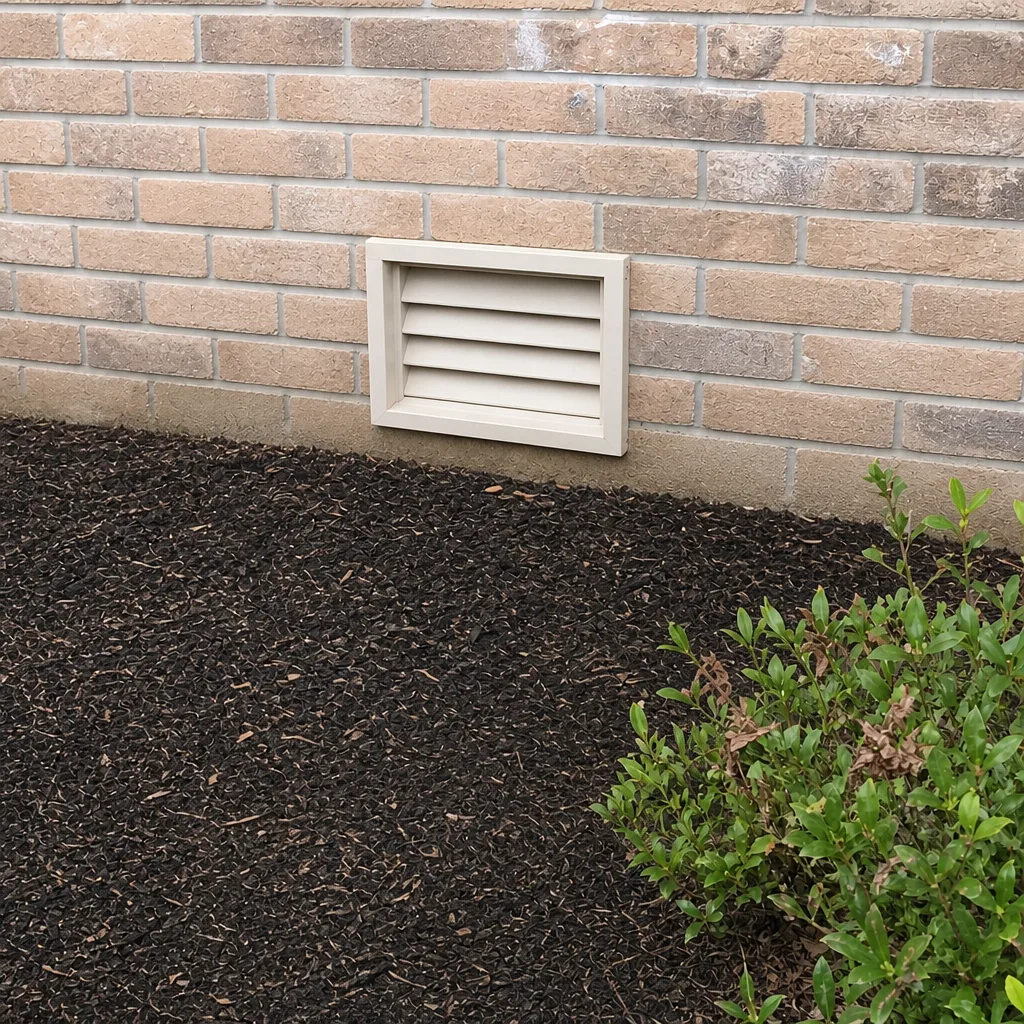
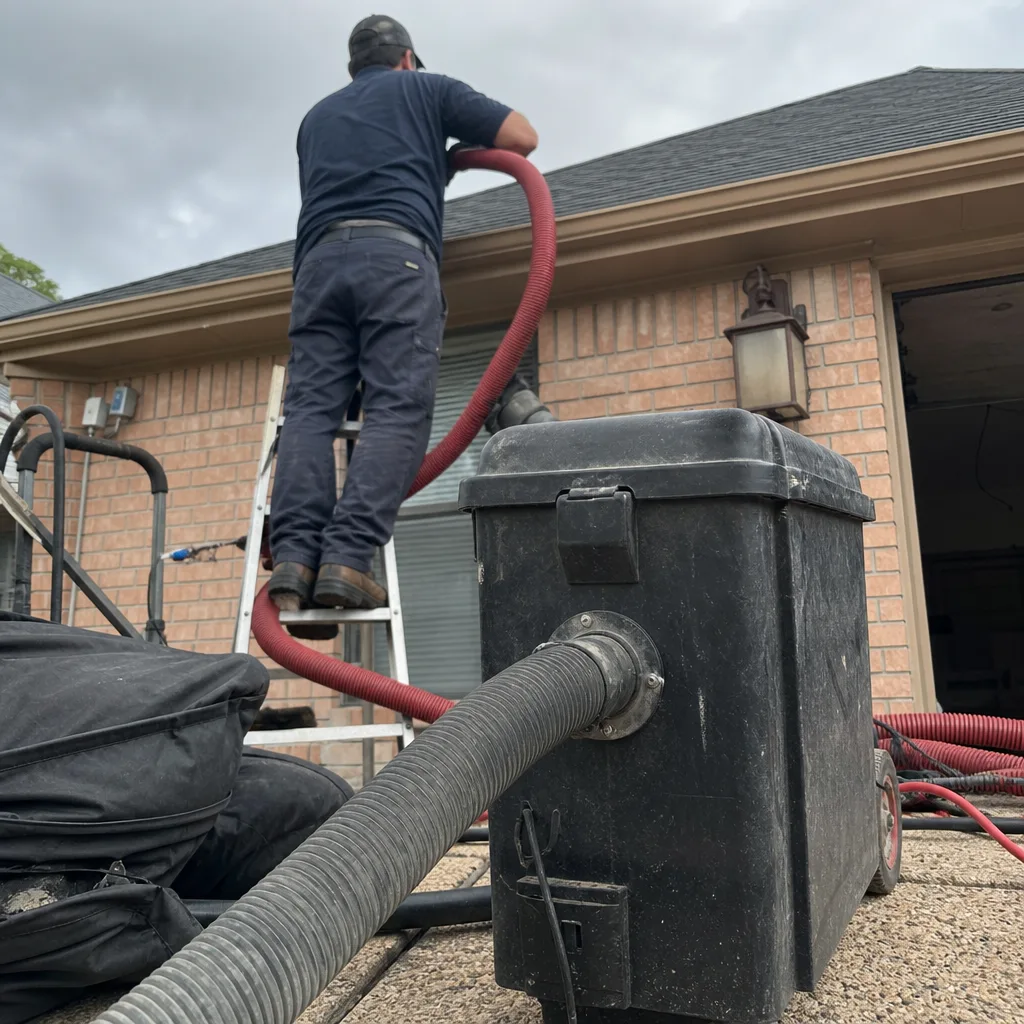 Before
 After
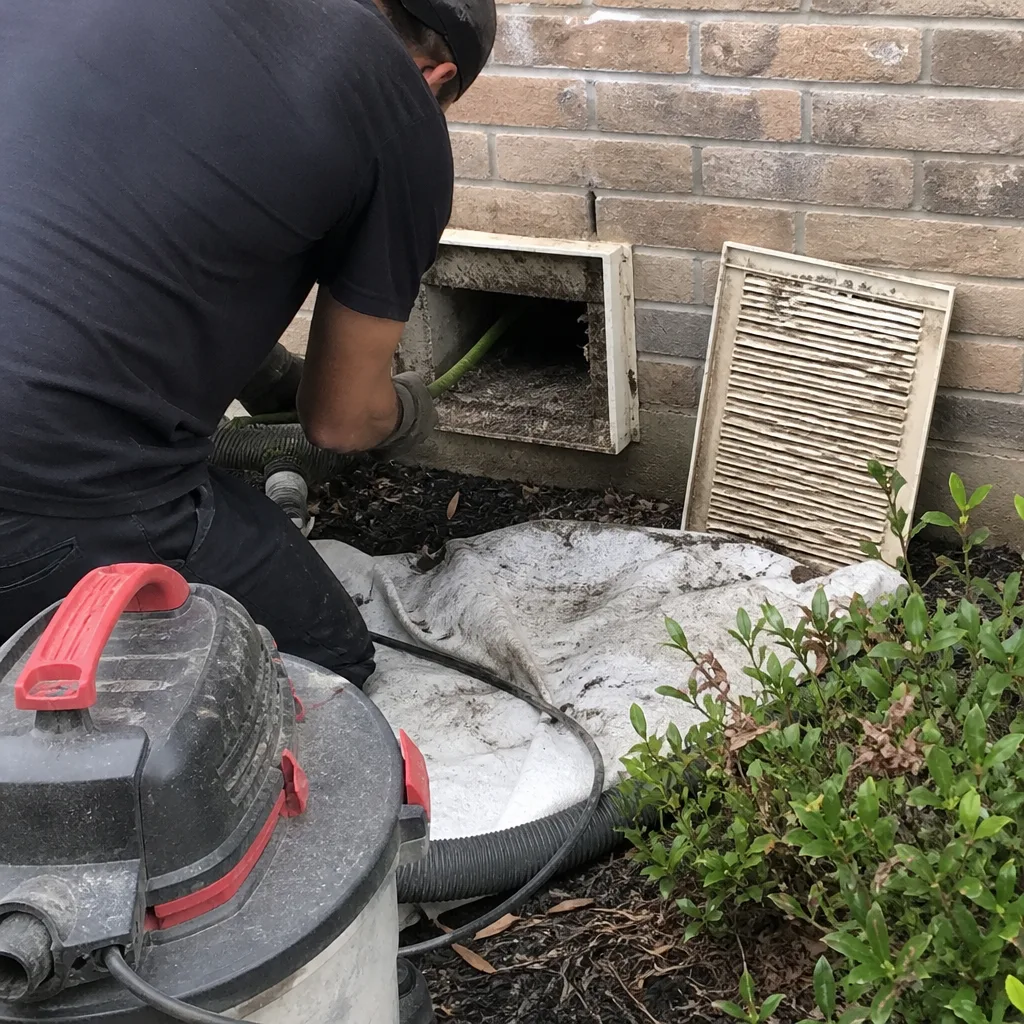 Before
 After
 Before
 After
Frequently Asked Questions
The earliest signs are performance signals, not visual ones: a room that’s four to five degrees off the thermostat setting, a weak flutter from a tissue held at a supply register, a rising energy bill at the same usage level, and a symptoms log that flares when the system runs. Visible dust, mold, or heavy debris at the registers usually show up months later. If two or more of the performance signs appear together, call (877) 492-2029 for a professional read – the estimate is free.
Pricing is always quoted per system, not per register or per vent, and the written estimate sets the final price. Homeowners should be wary of any quote that starts at a teaser price and climbs once the technician is inside the house. Ask for the number in writing before work starts. Call (877) 492-2029 for a free estimate and a written price.
Most homes benefit from an inspection every few years rather than a fixed cleaning schedule, and cleaning only follows if the inspection finds a reason for it. Homes recently remodeled, homes with heavy shedding pets, and homes with confirmed moisture issues warrant a closer look sooner. If you’re unsure, an inspection is the honest first step. Call (877) 492-2029 for a professional assessment.
Cheap quotes usually refer to a light, one-hour visit that skips containment equipment and doesn’t touch the deeper branches, so the work is quick for a reason. Professional work uses Rotobrush or Nikro platforms and containment gear from Abatement Technologies, which costs more to operate and produces a verifiable result. Ask for before-and-after photos of your own ducts, and expect to see them. Call (877) 492-2029 for a professional estimate.
You know because you can see it: before-and-after photos of your own ducts, a walkthrough of the register interiors after the work, and a written record of the contamination findings from the initial inspection. A legitimate professional is glad to provide all three. If a technician can’t show you the before-and-after, the work wasn’t verifiable. Call (877) 492-2029 for a free estimate that includes a clear record of what the inspection found.
Duct contamination can contribute to symptoms in sensitive household members, particularly when the symptoms flare with the system’s run cycles and cluster in specific rooms. It’s not the only cause, which is why the symptoms pattern matters: duct-linked symptoms follow the airflow, and general air quality issues don’t. A professional inspection confirms which pattern you’re in before anyone recommends a cleaning. Call (877) 492-2029 for a free estimate.
The Bottom Line
The signs that matter most in a duct system are the quiet ones: a warm room, a weak register, a bill that creeps up without explanation, a smell you’ve gotten used to. Those signals show up well before visible mold or dust and are the ones that give a homeowner time to act. Keep a simple log of the airflow test, the room temperatures, the odor pattern, and the visual register check for two weeks. If the pattern points to the ducts, get a professional read before the problem becomes visible. From cleaning with professional-grade Rotobrush and Nikro equipment to Guardsman-grade sanitizing and in-house duct repair, this is the work we do as specialists in Lakewood, and we’re glad to walk through what your inspection actually found. For the full picture of what professional work involves, see our guide to dryer vent cleaning and our work at Lakewood Air Duct Cleaning Pros.
Contact
If you’ve spotted two or more of the warning signs in this guide and want a straight answer on what your ducts actually need, call Lakewood Air Duct Cleaning Pros at (877) 492-2029 for a free estimate. We answer 24/7. Fast dispatch from 7am to 7pm, Sunday through Friday. The written estimate sets the final price, before-and-after photos document the work, and a specialized team handles cleaning, sanitizing, and duct repair as one job rather than a series of separate vendors.
Written by the team at Lakewood Air Duct Cleaning Pros.